
What Is Serotonin?
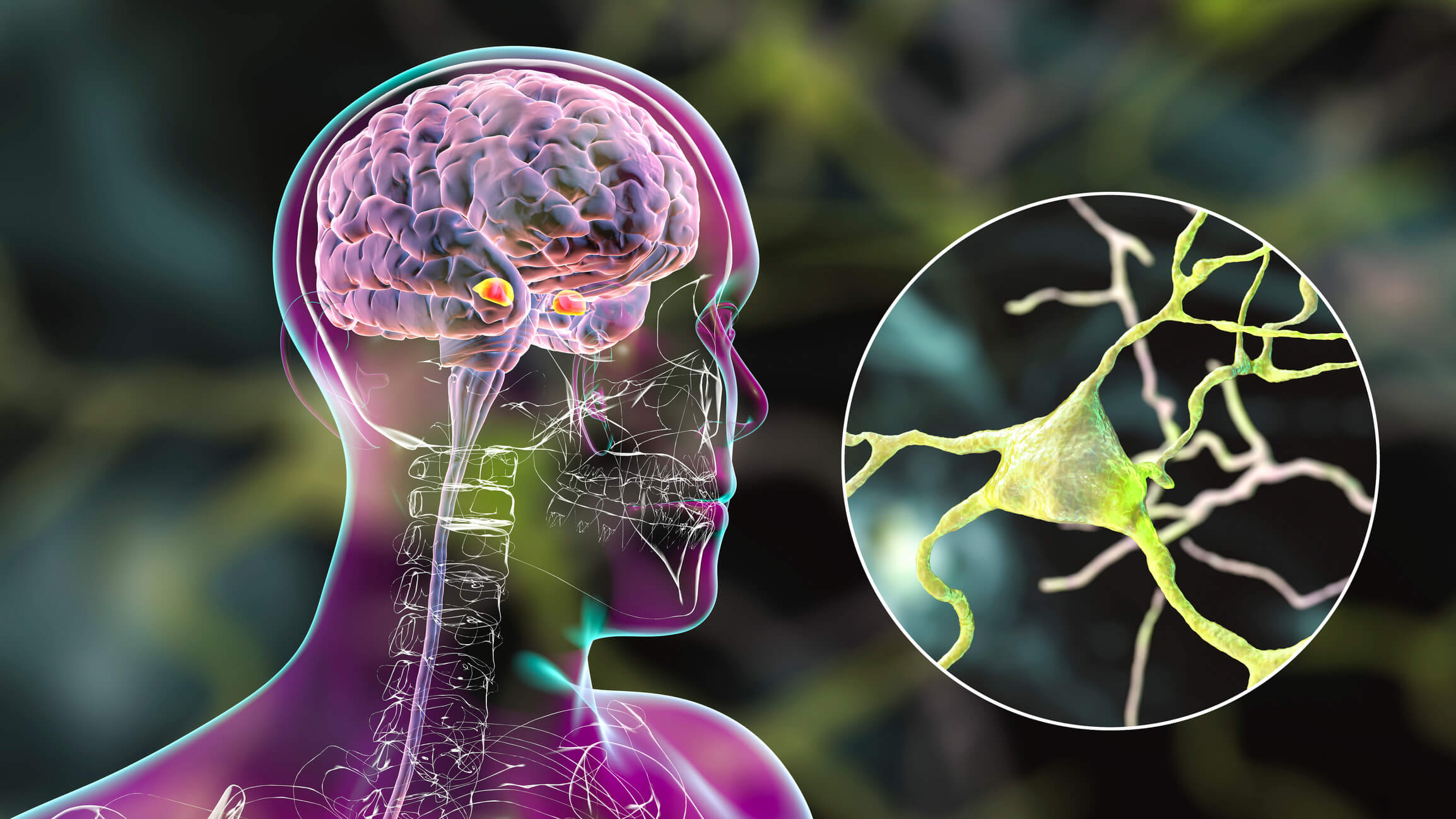
Serotonin is an important neurotransmitter and signaling molecule in your body. Because of its uplifting mood effects, we recognize it as a natural mood booster. Due to its chemical composition, we also call it 5-HT or 5-Hydroxytryptamine.
How Does Our Body Produce Serotonin?
Our body produces serotonin in the brain and the gut. For years we have believed that the brain synthesizes the majority of serotonin. Contrary to this popular belief, the enterochromaffin cells in the gastrointestinal tract produce over 90% of the total serotonin. The myenteric neurons in the gut also produce serotonin in the gut, influencing gut movement.
Serotonin is synthesized from an amino acid known as tryptophan. Our body cannot make tryptophan; we can only get it from the foods we eat. Hence, we must get an adequate amount of this amino acid in our diet.
What Does Serotonin Do?
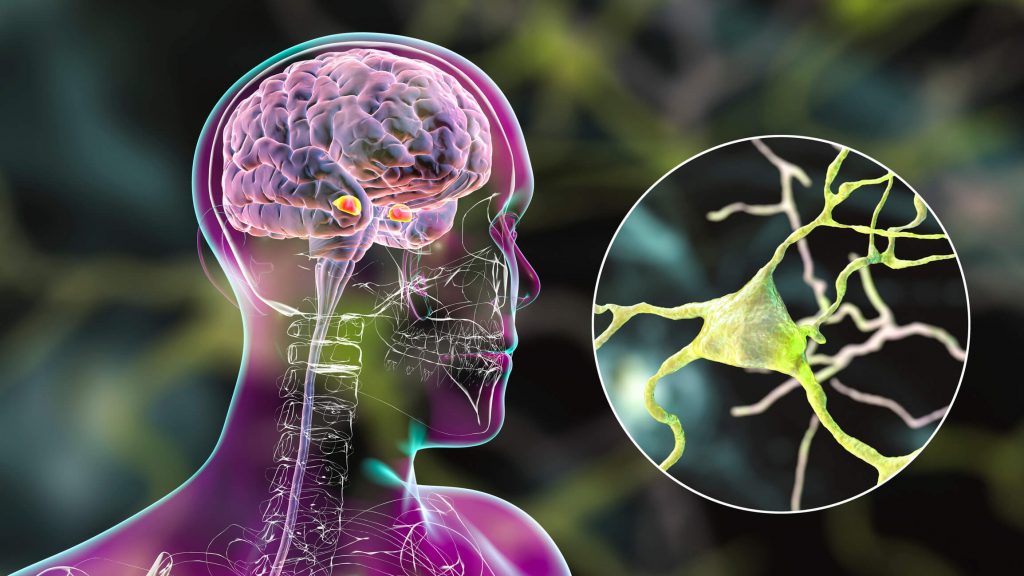
Serotonin plays a crucial role in many bodily functions, from regulating mood, to digesting food and wound healing, to bone health. Let’s understand the different roles played by this happy hormone in detail. Serotonin plays a vital role in the following:
Focus
In today’s day and age, distractions are just one click away. And, your ability to focus on the task at hand makes all the difference. The need to improve concentration is more imperative than ever. Enter serotonin: it helps improve focus and neuroplasticity.
Serotonin deficiency can contribute to cognitive problems and reduced attention spans. Preliminary data also associates serotonin deficiency with the development of ADHD and deterioration of cognitive processes.
Memory Formation
Serotonin works with dopamine in short-term and long-term memory formation. Growing evidence suggests that it plays a much more crucial role in learning and memory formation than initially thought.
That being said, multiple factors affect memory formation and retention. Memory and learning involve interplays between serotonin and other neurotransmitters, such as:
- Acetylcholine
- Dopamine
- γ-aminobutyric acid (GABA)
- And glutamate
Neuroplasticity
Neuroplasticity, also known as brain plasticity, is your brain’s ability to adapt and learn from experiences. Put simply, the word neuro stands for the nervous system, and plasticity means the ability to adapt and remodel.
5-HT7R, a serotonin receptor, is one of the key factors that contribute to shaping the brain during early life. It also helps rewire a mature brain.
5-HT7R modulates neuroplasticity by altering the neuron structure directly or activating other receptors that play a role in neuroplasticity.
Mood Regulation
Have you ever felt like your life is good and everything is perfect? That’s serotonin. It boosts your mood and helps you develop a more positive outlook. Likewise, low serotonin can make a person glum.
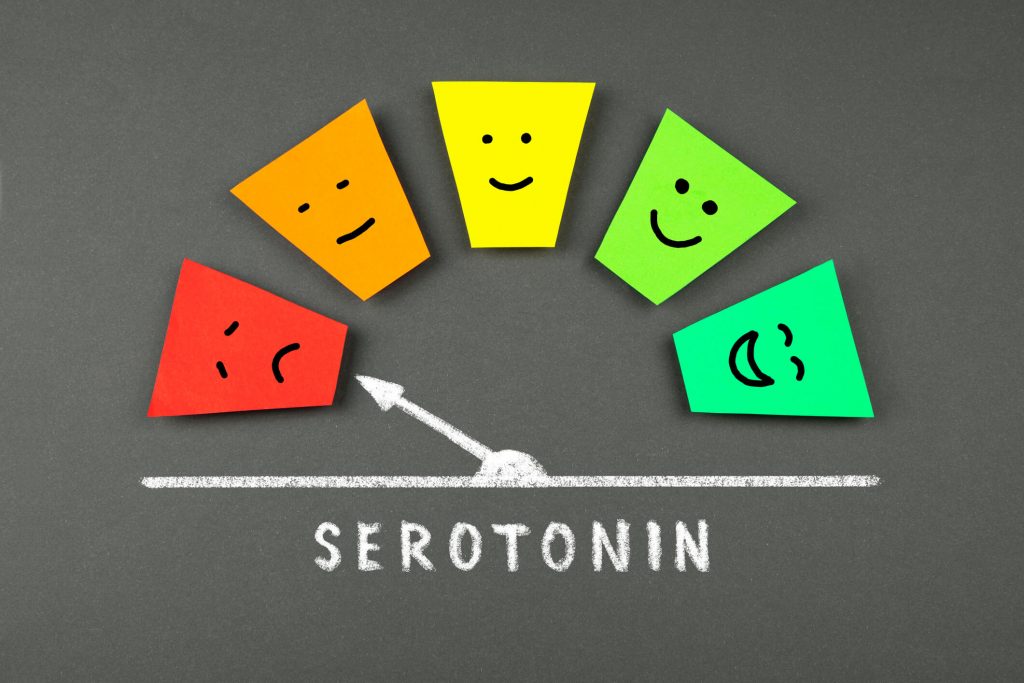
Serotonin deficiency is generally associated with depression and social anxiety. But, it is imperative to understand that depression and anxiety result from many complex factors. Low serotonin levels alone cannot cause these conditions.
Libido And Sexual Arousal
Multiple factors influence libido and sexual behavior, and serotonin is one of them. Serotonin generally inhibits sexual activity and can have an inverse relationship with female sexual arousal. Many people taking antidepressants that increase serotonin suffer from reduced libido and sex drive.
For males, the explanation is a little more complex than that. The effect of serotonin depends on the receptors that receive the signal. When serotonin stimulates 5-HT2C receptors, it can increase erections and inhibit ejaculations. And when it stimulates 5-HT1A receptors, it can facilitate ejaculations and, in some circumstances, inhibit erections. Thus, we could say that serotonin contributes to satisfaction after sexual arousal.
Bone Health
Serotonin has a very complex role when it comes to bone health. Some studies suggest that excess serotonin levels can weaken bones and increase fracture risks. In contrast, others claim that serotonin promotes bone formation. Either way, we are sure that our bones will thank us for maintaining healthy levels of serotonin.
Bowel Movement And Digestion
Serotonin helps in the contraction of the gastrointestinal tract. These waves of contractions (peristalsis) move food along the intestines and mix the food with digestive secretions. Serotonin also helps with another type of contraction during an empty stomach called migrating motor complex, which cleanses the gut and prevents bacterial overgrowth.
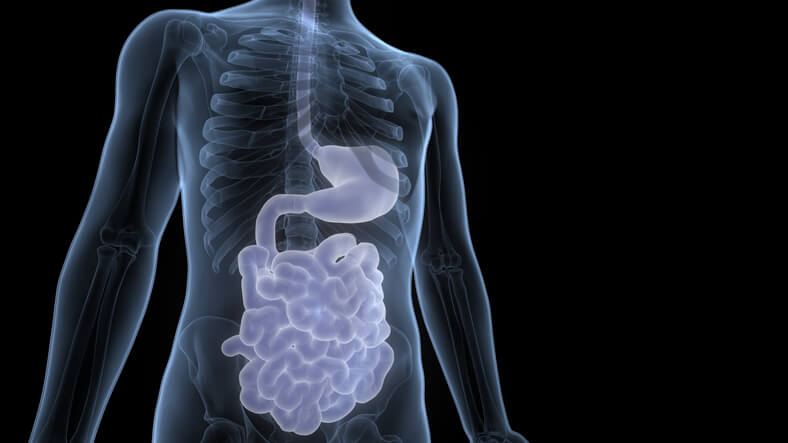
Along with healthy digestion, these contractions of the intestines also have a protective function. When the gut detects toxins or germs, enterochromaffin cells can release a lot of serotonin. This can cause nausea, vomiting, or diarrhea to flush out the toxins or germs before they cause more damage.
Platelet Function And Wound Healing
Remember when you got a cut, and team platelets came to your rescue. Platelets are tiny fragments of cells in your blood. They release substances and fibrous proteins that harden the blood and seal wounds to stop bleeding. One of the key substances platelets release is serotonin. Serotonin induces the narrowing of injured blood vessels to minimize bleeding and facilitate clot formation.
Appetite And Satiety
Simply put, satiety is the feeling of satisfaction after a meal. Satiety is vital for us to understand when to stop eating, and thereby controls our hunger. Serotonin transmits this message of fullness to our brain, thereby protecting us from over-eating.
This is one of the reasons supplementing with 5-HTP, which increases serotonin, can suppress appetite, and reduce food intake.
Sleep Patterns
Serotonin, as a neurotransmitter, plays a dual role in our sleep-wake cycle. It helps with both sleep onset and wakefulness. It promotes prolonged, more restful sleep. The opposing effects on sleep depend on which serotonin receptor receives the signal. As intelligent as our bodies are, they produce and accumulate serotonin in the appropriate brain areas to promote a healthy sleep-wake cycle.
Also, serotonin is a precursor for melatonin, a sleep hormone.
Signs Of Serotonin Deficiency
Here are some potential signs of serotonin deficiency:
- Frequent mood swings
- Anxiety and depression
- Irritable bowel syndrome
- Osteoporosis
- Irregular heart functioning
- Obesity
- Disrupted sleeping patterns
Scientists attribute serotonin deficiency to one of the two reasons: inadequate production of the neurotransmitter or our inability to use it effectively.
In the first scenario, the body cannot produce enough serotonin due to nutritional deficiencies or the biological inability to use the nutrients.
In the second scenario, you might not be able to use the available serotonin due to a lack of its receptors or defective receptors. As a result, serotonin may be reabsorbed or broken down before it delivers effective signals.
Note: While low serotonin tends to contribute to these conditions, there tends to be many other contributing factors. So, correcting serotonin levels alone may not cure them. We’re also not claiming that any of the supplements listed in this article or our ingredients can treat these conditions. Please speak to your healthcare provider for diagnosis and treatment for your health conditions.
How To Boost Serotonin Levels Naturally
There are many natural ways to boost your serotonin levels for mood and cognitive function. Here’s how:
Get Plenty Of Sunlight
Sunlight and vitamin D can help us stay uplifted and feel positive. It protects us from gloominess and anxiety and promotes positive energy and alertness.
Getting 10–15 minutes of sunlight every day is enough to make adequate vitamin D in most people. However, the optimal duration varies based on many factors such as time of day, geographical location, and skin color.

While many of us might not have access to sufficient sunlight, light therapy is an option. It is equally effective in improving mental health. Light therapy, also known as phototherapy, involves exposure to an artificial light source.
Your house lights don’t replace natural light exposure or light therapy machines because the house lights are typically much dimmer. You may not be able to tell because your pupils can adjust the light that you perceive. However, various brightness levels affect your brain’s neurochemistry differently.
You might find it interesting that typical house lights are no more than 500 lux, whereas illumination of a clear blue sky at midday is around 20,000 lux. The most beneficial light dose is 5000 lux for one hour per day. You can also consume the recommended light dose as 10,000 lux for half an hour or 2500 lux for two hours. The optimal time for light therapy is in the early morning hours. It is best to stay consistent with the light therapy.
The therapeutic effect of light is mediated through the eye. However, one should avoid staring at the light unit directly and sit at a distance (usually 12-24 inches) from the device.
Get Enough Sleep
A good night’s sleep is vital to our physical and mental well-being. It helps the body repair itself and recover from day-to-day exertions.
When you sleep, your body turns off neurotransmitter activity. This action allows neurotransmitter receptors to rest and regain their sensitivity. The well-rested neurons also fire more efficiently.
Likewise, when you don’t get enough sleep, these receptors don’t have the time to regenerate and get worn out.

Sleep is one of the most important aspects of our well-being. Therefore, researchers are constantly trying to understand more about the importance of sleep. Sleep deprivation can result in many symptoms of low serotonin.
In a 10-day study of 52 healthy individuals, the participants demonstrated better cognitive function after sleeping well. The participants slept habitually for the first 7 days of observation. Later, they reduced their sleep by 2 hours for the next 3 days. The same participants had poorer cognitive function, increased impulsivity, and reduced positive outlook on sleeping 2 hours less than their usual duration.
Another study with 495 participants established a direct relationship between poor sleep, overeating, and unhealthy dietary habits. The study examined 495 women between 20 to 76 years of age. The study measured their sleep quality and eating patterns. Women with poorer sleep quality tended to eat unhealthy foods in higher quantities than those who slept well.
Therefore, well-rested individuals tend to have better dietary choices, serotonin function, and a more positive outlook on their everyday life.
Exercise Regularly
Physical activity has a reputation for increasing our happiness quotient. This effect is a collective result of an increase in serotonin, dopamine, and endorphins. Amongst various forms of physical exercises, aerobic exercises like running and swimming have maximum impact on promoting healthy serotonin levels.
Include Serotonin-Boosting Foods In Your Diet
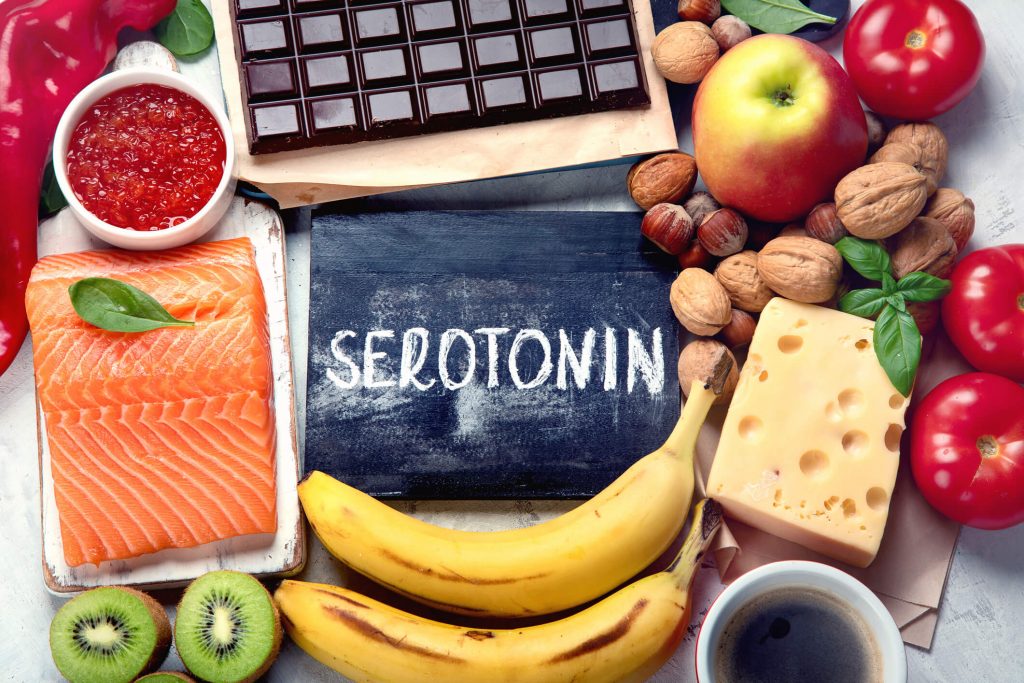
Unlike vitamins and minerals, there is no way to increase serotonin levels in the body directly. Instead, we can consume foods rich in the amino acid tryptophan, as serotonin is made from the amino acid. It is generally present in high-protein foods. Here is a list of foods that can help boost your serotonin levels naturally:
- Meat
- Eggs
- Nuts and seeds
- Cheese
- Fish
- Poultry
- Soy products
Include adequate amounts of healthy carbohydrates in your meals. Carbohydrate-rich foods can help move tryptophan into the brain, which can explain why some people reach for starchy or sugary foods for comfort.
Insulin reduces plasma levels of some other amino acids that compete with tryptophan to enter the brain. Since tryptophan has lesser competition, it can easily enter the brain and acts as a precursor for serotonin.
Support Your Gut Flora
The gut-brain-microbiota axis include the intricate connections between your brain, gut, and microbes in your gut. Serotonin is a key neurotransmitter in the gut-brain axis. The interactions of serotonin and the axis include:
- Serotonin interacts with the vagus nerve, which links the brain and the gut, along with many other organs.
- The gut flora help produce and break down serotonin, and convert serotonin and tryptophan into other substances that can affect mood and brain function
- Inflammation and unhealthy microbes can create toxic tryptophan metabolites that contribute to mental health issues and brain fog
- Antibiotic treatment may increase serotonin breakdown through the gut bacteria. This may explain why antibiotic use, especially repeatedly, is associated with an increased risk of depression and anxiety. Whereas, some probiotic strains may boost mood by reducing serotonin breakdown.
To summarize, your gut flora influences both the formation and breakdown of serotonin. Thus, it is a critical factor in regulating the neurotransmitter.
Therefore, you want to support a healthy gut flora with probiotics, fiber, and polyphenol in your diet.
Pamper Yourself With A Massage
It is no secret that massages are relaxing. We can attribute this post-massage happiness to the rise of serotonin, dopamine, and oxytocin.
Supplements You Take To Boost Your Serotonin Levels
Serotonin supplements improve focus, cognitive functions, and vigilance. They promote mental well-being and happiness. They also help us sleep longer and better, regulate our appetite and help us maintain a healthy weight.
Below is a list of the most promising supplements to raise your serotonin levels:
- Tryptophan supplements
- St John’s wort: The plant is native to Europe, western Asia, and North Africa, and its botanical name is Hypericum perforatum. It prevents the reabsorption of serotonin and other neurotransmitters after their secretion. This phenomenon increases their availability and makes it possible for the brain to use them more effectively.
- Omega-3: Marine omega-3 fatty acids, namely EPA (eicosapentaenoic acid) and DHA (docosahexaenoic acid) increase serotonin availability. EPA increases serotonin release from the nerve cells, and DHA stimulates serotonin receptors for better utilization.
- Vitamin D: Vitamin D modulates the synthesis and function of serotonin in the brain. It activates an enzyme (tryptophan hydroxylase 2) which helps conversion of tryptophan to serotonin.
- S-adenosyl-L-methionine (SAMe) is involved in the synthesis of various neurotransmitters in the brain. The supplements replicate this naturally found compound in the body. SAMe has a reputation for significantly improving mood and alleviating melancholy.
- 5-hydroxytryptophan (5-HTP): 5-HTP is a serotonin precursor that can increase serotonin levels. It promotes weight loss, improves mental well-being, and improves the quality and duration of sleep. Note that it differs from 5-HT, the chemical name for serotonin itself.
- Probiotics: Some probiotic strains support healthy serotonin production and metabolism.
Given the significance of optimum serotonin levels and other neurotransmitters, we must choose supplements and their dosage wisely. Excess serotonin levels, typically resulting from medications or combining medications with supplements that increase serotonin, can cause serotonin syndrome.
What Is Serotonin Syndrome?
Excess build-up of serotonin in our body is known as serotonin toxicity or serotonin syndrome. It is usually caused by one of the following reasons:
- Unregulated use of certain drugs like amphetamines, cocaine, MDMA (ecstasy), and levodopa
- Incorrect combination of multiple serotonin-boosting drugs.
- Accidental or intentional intake of very high doses of serotonin supplements.
- Drug interactions of over-the-counter medications like escitalopram and dextromethorphan.
- Imprudent consumption of herbal supplements like ginseng and St. John’s wort, or combining them with drugs
- Use certain drugs like triptans for migraines, tricyclic antidepressants, or antidepressants belonging to SSRIs, MAOIs, and SNRIs family.
The symptoms can range from mild to fatal, and they start to appear within minutes to hours after an abnormal rise in serotonin levels. In most cases, symptoms appear within the first six hours of overdosage. Here is a list of signs to look out for:
- Restlessness
- Sweating
- Nausea and vomiting (when not associated with food poisoning)
- Diarrhea (not associated with food poisoning and supplements that can cause loose stool)
- Fever and shivering (when not associated with an infection)
- Involuntary muscle contractions and spasms
- Hallucinations
- Increased heart rate
- Flushed Skin
- Dryness of mouth and nose
- Dilatation of pupils
- Uncontrolled eye movements
If you observe any of the above signs on consuming supplements or medications, please immediately seek medical care.

How To Treat Serotonin Syndrome
The treatment depends on the severity of the symptoms. In mild cases, your doctor will ask you to stop taking the medication responsible for Serotonin toxicity. Your symptoms should subside within 48 to 72 hrs of stopping supplement intake.
In moderate to severe cases, your doctor might recommend hospital admission to closely monitor you and treat the symptoms.
Post recovery, your physician might alter the dosage of your medication or supplements to avoid the repetition of such an incident.
How You Can Prevent Serotonin Syndrome
Episodes of serotonin syndrome are not always avoidable. But here are some basic precautions you can take to stay safe:
- Always make sure your physician knows what medications and supplements you’re taking.
- Stay away from illicit drug use. They do no good anyway.
- Be informed and understand the contents of your supplements.
- Be mindful and monitor your health closely when you start or alter the dose of any medication/supplements.
How Serotonin And Dopamine Are Different
Serotonin and dopamine are neurotransmitters and play a role in mood regulation and mental well-being. Although we tend to use them interchangeably, they function quite differently. Let’s understand a little more about dopamine:
Dopamine plays a fundamental role in the brain’s pleasure, reward, and reinforcement system. It is also responsible for the sleep-wake cycle. Unlike serotonin, dopamine influences wakefulness and increases alertness. Similarly, dopamine and serotonin have opposite effects on appetite as well. Dopamine encourages food cravings and increases appetite.
In simple words, serotonin and dopamine function harmoniously to create complex behavior patterns.
Neurotransmitters work together intricately. When one neurotransmitter gets altered, it’s likely others are affected as well. Thus, proper levels of both neurotransmitters are necessary for their proper functioning.
References: