Category: Brain Health

  • Part 2: Personalized Nootropic Stacks for Brain Fog

    Part 2: Personalized Nootropic Stacks for Brain Fog

    As discussed in Part 1, brain fog can arise from nutritional and lifestyle factors. Often, failing to address the root causes and introducing nootropics or stimulants can worsen brain fog. 

    Most nootropic products on the market may address one or two causes of brain fog. Whereas, Nootopia combines layers of ingredients to eliminate brain fog. Also, we have had decades and 10,000s of data points to personalize formulas based on our customer’s health history, tendency, and symptoms. 

    Adaptogens

    Adaptogens are a class of plant and mushroom medicine that strengthen and tone your body and brain amidst stress. They don’t have any one action that confers their health benefits. Rather, they do many things throughout the body with synergistic benefits.

    The three criteria of adaptogens include:

    1. Increase your resistance against adverse conditions by a variety of ways that work synergistically for overall benefits.
    2. Maintain your homeostasis by balancing the physical effects of external stresses.
    3. Must not harm the normal functions of the body.
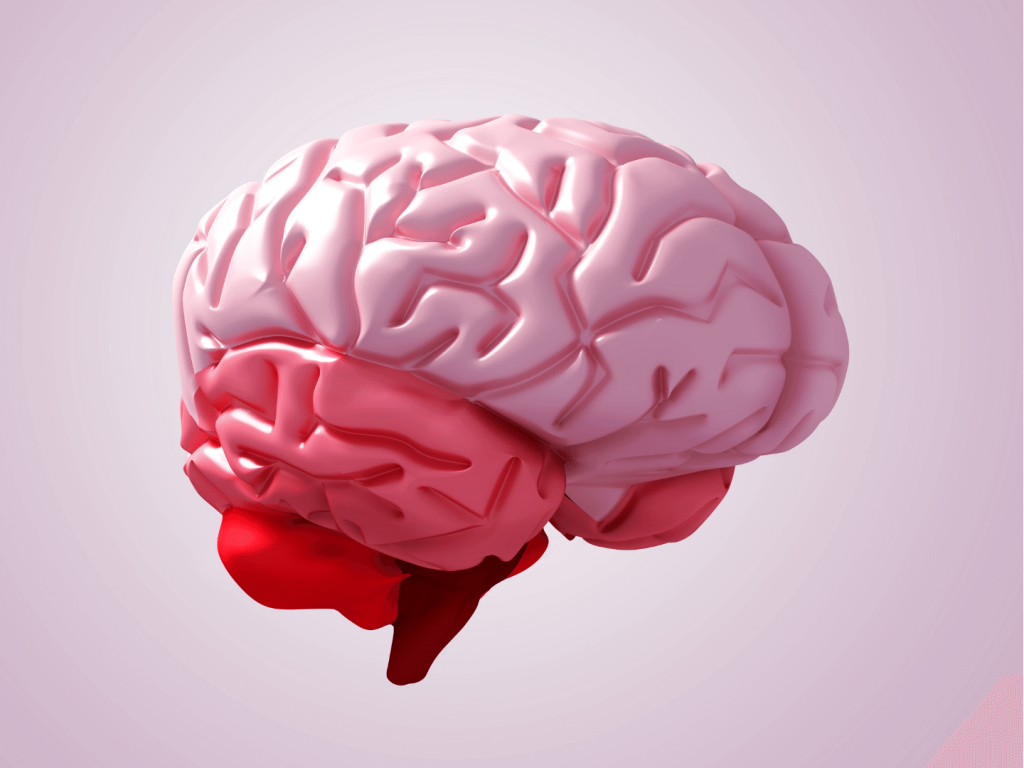
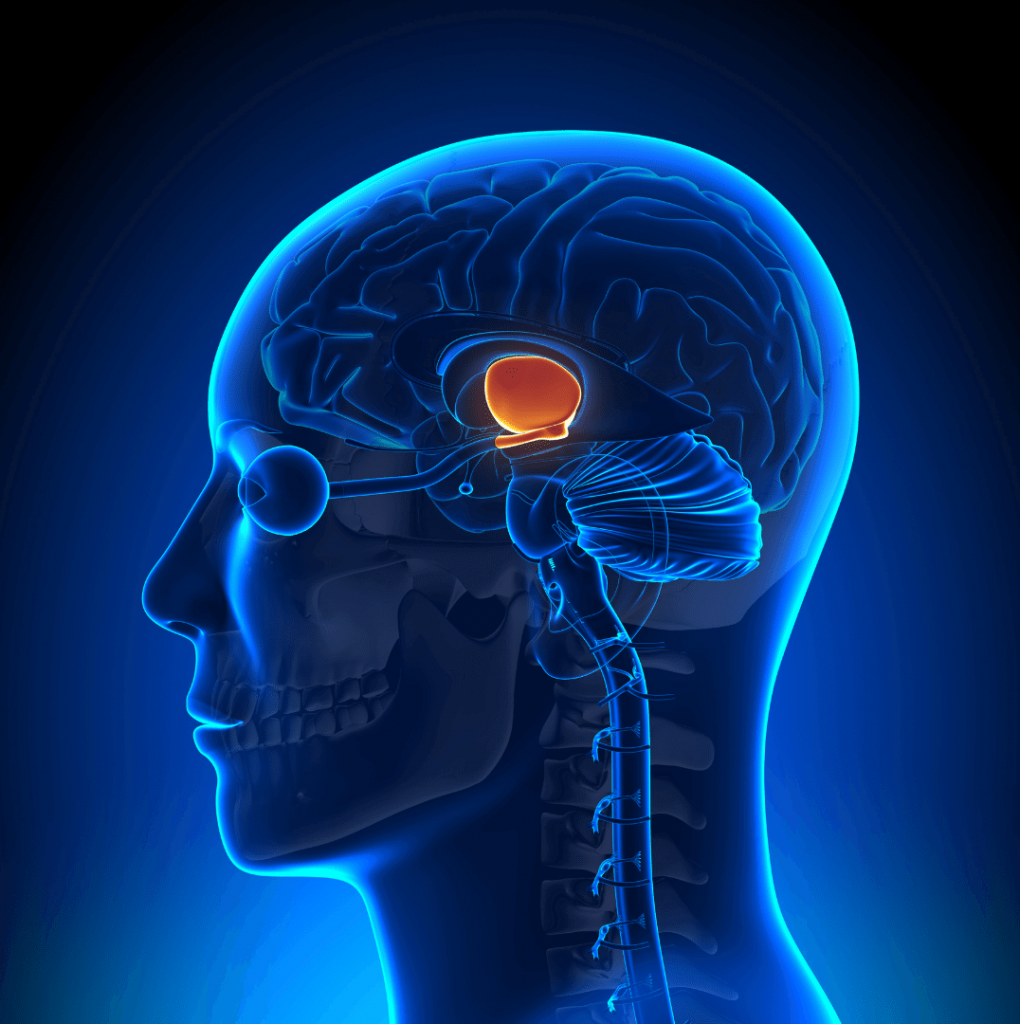
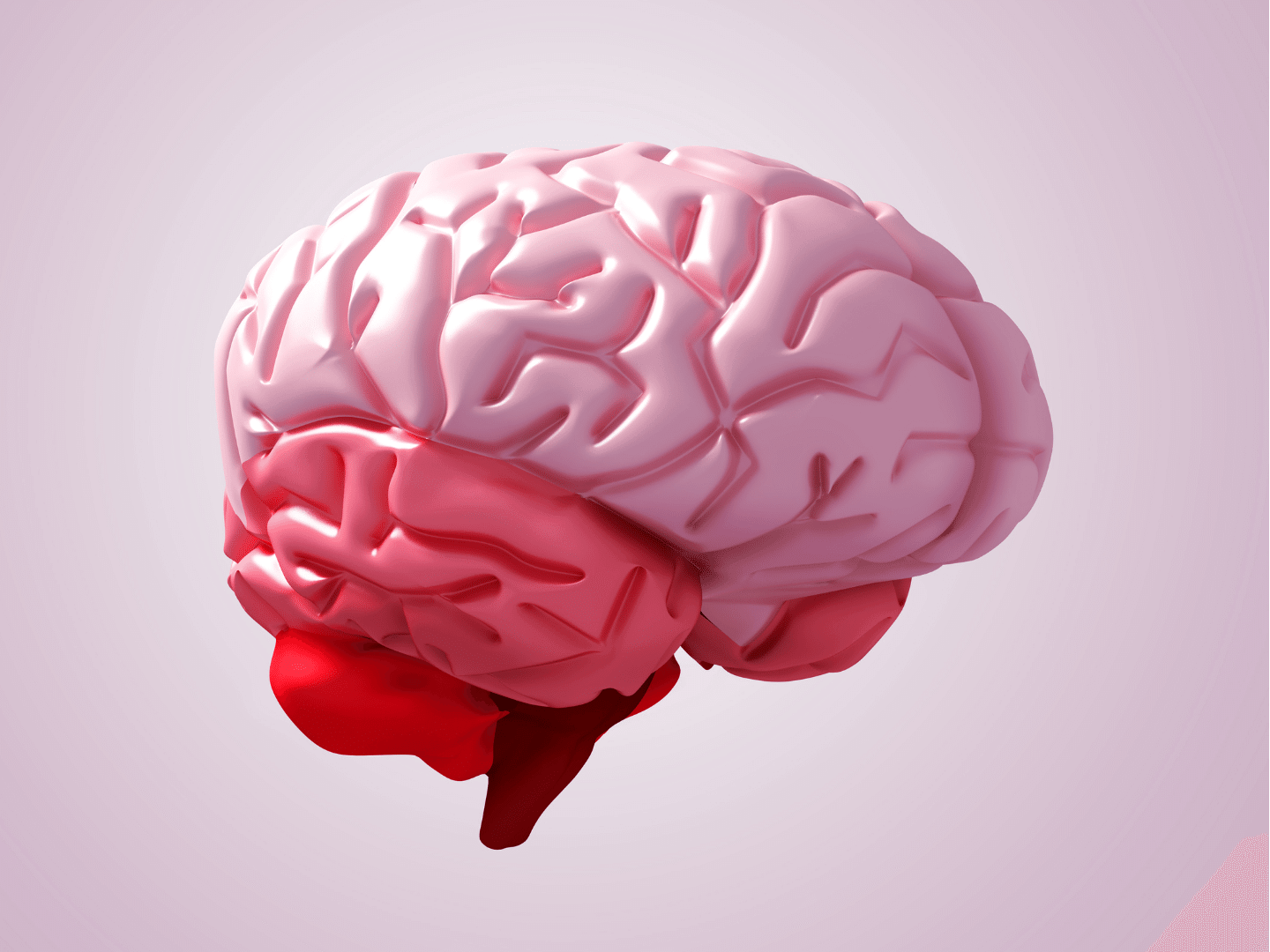
    3D render of a brain

    Adaptogens are often stimulants, but they work differently than coffee. The benefits of adaptogens for brain fog include:

    • Promote stress resilience
    • Modulate inflammation
    • Provide antioxidant support
    • Promotes healthy blood sugar balance
    • Stimulating to cognitive function
    • Support balanced energy levels

    For example, Nootopia’s Power Solution contains Rhodiola, one of the most well-known and researched plant adaptogens. 

    Rhodiola has been used for thousands of years. It is a relatively stimulating adaptogen. In human studies, Rhodiola improves:

    • Cognitive function
    • Attention
    • Overall mood
    • Work
    • Social and family life
    • Energy
    • And quality of life.

    Rhodiola improves energy levels by increasing energy production in cells. It also regulates and normalizes the release of stress hormones. 

    Constituents That Address Inflammation

    Inflammation can be a nemesis for your cognitive functions. Without addressing inflammation, you’re fighting an uphill battle. This is why we include inflammation-balancing ingredients in every dose.

    Inflammation has many causes and different ways of manifesting. Hitting inflammation from different angles ensures a more effective and balanced response. Equally important to improve brain fog and optimize nootropics is addressing both systemic and neuroinflammation.

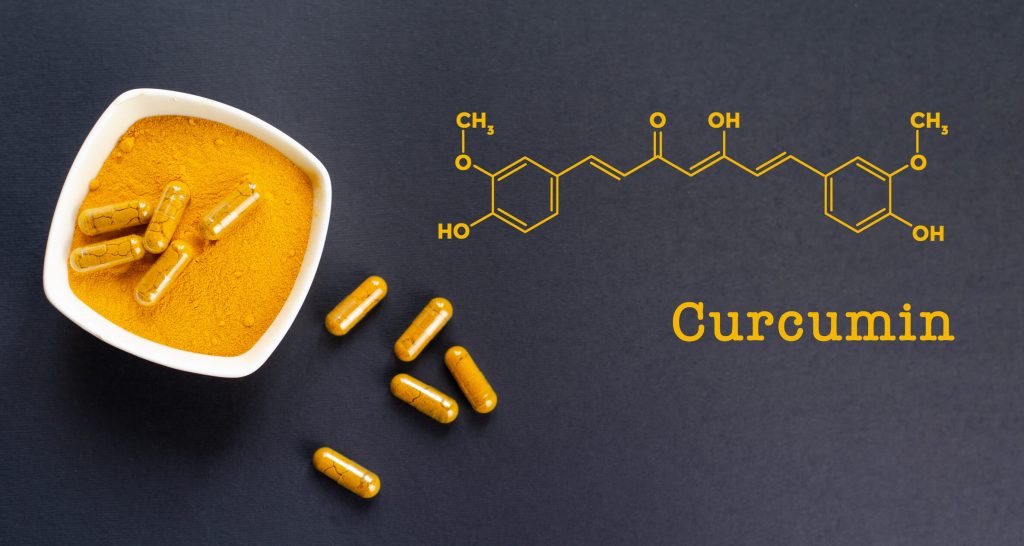
    One ingredient you’ll find in Nootopia formulas that addresses inflammation in a holistic way is curcumin. Curcumin regulates a variety of steps in inflammation pathways. It also works both inside and outside the brain. 

    curcumin inflammation pathways

    In this image, the red curcumin annotations are places in cell inflammation processes that curcumin inhibits. 

    Some of these are cell signals, while others regulate inflammatory genes.

    Vitamin D3 is another synergistic ingredient present in multiple Nootopia products. Vitamin D helps maintain the balance in your immune system, so correcting a vitamin D deficiency tends to help with neuroinflammation.

    Mitigates Lifestyle-Related Oxidative Stress

    With oxidative stress being a primary driver of brain fog, a nootropic formula that doesn’t adequately fix this isn’t complete. Nootopia uses a number of powerful antioxidants to protect your neurons. The right antioxidants also allow them to fire in all cylinders without building up excess oxidative stress. 

    These antioxidants protect the integrity of brain cell membranes from oxidative damage. Through providing unique nootropics along with antioxidant compounds, your brain can function at its prime and use the nootropics more effectively.

    Some of our ingredients have multiple roles. Some of our ingredients that have antioxidant properties include:

    • Theobromine
    • Curcumin
    • Forskolin
    • Ascorbic acid
    • Piperine
    • Grape seed extract
    • Cilantro leaf

    Provides Vitamin B Levels That Help Convert And Detox Neurotransmitters

    B vitamins are a foundational part of energy metabolism. The brain is the most metabolically active organ in the human body and relies on high levels of B vitamins for healthy function. 

    B vitamins can cross the blood brain barrier and the brain maintains high levels for energy production as well as neurotransmitter metabolism. For example, folate is 4 times higher in the brain than in blood. Brain levels of biotin and B5 can be 50 times higher than in the blood. 

    The production of neurotransmitters, like acetylcholine, dopamine, and serotonin, relies on a number of B vitamins, such as B1, B5, and B6. Importantly, B vitamins also help detox neurotransmitters, supporting overall balance. 

    If you need your brain to fire on all cylinders, it’s crucial to give it more building blocks and B vitamins that can cross the blood-brain barrier.

    Boosts Acetylcholine Levels And Support Other Neurotransmitters 

    Acetylcholine support is vital for getting rid of brain fog because of its neuromodulating properties. Our formulas contain unique amino acid blends and choline donors that support acetylcholine along with other neurotransmitters. This promotes balanced mood, memory, and learning. 

    Pushing acetylcholine levels alone can also give you brain fog, however. Nootopia products are formulated to bring balance and synergy to acetylcholine. We also intentionally support all the other aspects of brain metabolism, like neurotransmitter breakdown and cellular energy production for this reason.

    Our formulas also promote neurotransmitter balance in the brain, through supporting production of dopamine, serotonin, and GABA. This helps attain a calm and focused flow state.

    Provides A Source Of DHA

    DHA (Docosahexaenoic Acid) is the primary omega-3 fatty acid in the brain and is required for healthy neuronal function. DHA promotes brain health and decreases brain fog in these ways.

    • Modulates neuron signaling and neurotransmission
    • Promotes neurogenesis and myelination
    • Necessary for normal receptor function in cell membranes
    • Supports synaptic plasticity
    • Modulates neuroinflammation
    • Helps maintain cell membrane integrity

    Our specific Celastrus paniculatus oil extract is a great source of plant-based DHA, which helps ensure our nootropics work to their highest potential.

    Improve Brain Blood Flow And Oxygenation
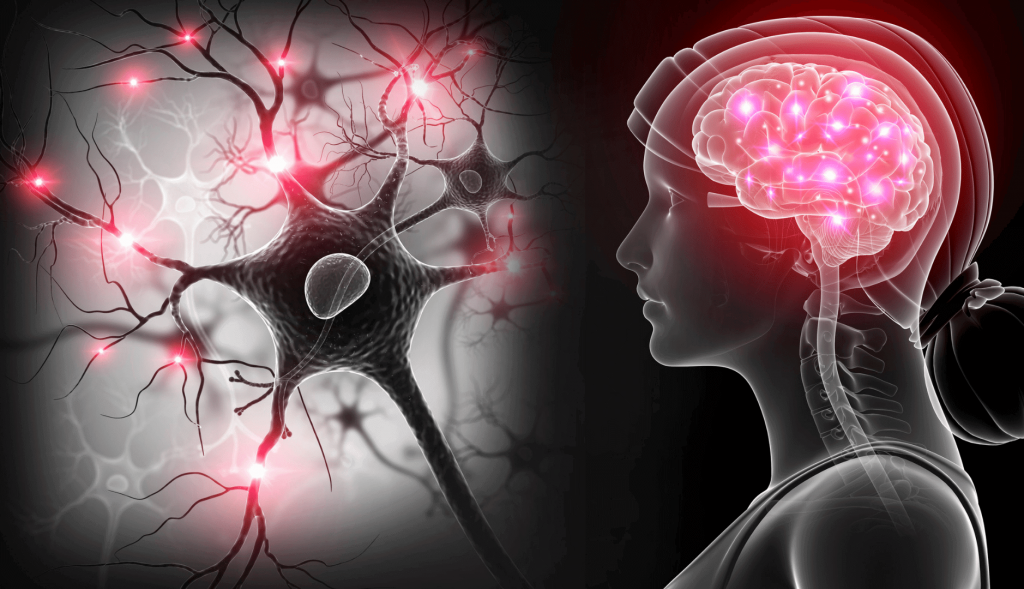
    blood brain barrier

    Increasing cerebral blood flow ensures your brain gets all the oxygen, glucose, and other nutrients it needs to keep attention and cognitive function sharp. By increasing blood flow to your brain, nootropics also get there more easily and function at their peak.

    Nootopia takes cerebral blood flow seriously. Ingredients like DHA, phosphatidylserine, rhodiola, and some of the Omnipepts improve brain blood flow. Importantly, by layering stimulants instead of relying on caffeine, you won’t experience the blood flow restriction effects of long-term caffeine reliance.

    Support The Brain’s Housekeeping Functions

    Sometimes the brain gets “gunked up” and we just need to clean house. You can imagine after a night of drinking alcohol, eating too much, or poor sleep, your brain can build up inflammation and oxidative stress.

    Metabolic waste materials are also just part of having such a highly active organ as the brain..

    Periodic housekeeping naturally happens while you sleep every night. Nootopia uses our specialized Mental Reboot stack to support this process. 

    Our Mental Reboot AM and PM formulas contain ingredients that are scientifically proven to help “clean” your brain of excess oxidative by-products and waste materials that can impede neuron function.

    How Does Nootopia Get You Into Your Personal Peak Flow State?

    Many nootropic supplement companies focus on optimizing one or two areas of brain function that are supportive for the general user. Nootopia takes a more personalized approach. We recognize that everyone has unique genetics and biology that require optimization for peak cognitive function.

    What is great for someone else might cause you to feel overstimulated, or vice versa. You may be very sensitive to particular ingredients and need different doses and frequencies, or even different formulas than someone else. 

    Nootopia has developed a proprietary system to help you hone in on your exact, unique nootropic needs. We use nootropic brain stacks and an individualized assessment method to find the nootropics you need, how much, and when. 

    As you’ve seen in this article, Nootopia takes a holistic approach to brain health not found in any other nootropic company. By customizing formulas specifically for your needs and simultaneously balancing the entire ecosystem of brain health, we get you into your peak flow state unlike anything you’ve experienced before.

    How Our Method Works

    The first step is to complete our neurotransmitter dominance quiz. This helps to know what general category you fit into.

    After this, we have you fill out a detailed intake form. This gets us even closer to hitting your sweet spot. Using this information, we then customize your first batch of nootropics.

    Over the first thirty days, you keep note of your cognitive function and symptoms in response to each formula and stack in the Nootopia app. Based on this info, we re-customize your nootropics. You do this each month, honing in each time closer and closer to your apex performance zone, until eventually, BHAM, you reach “God Mode”. 

    Conclusion

    Eliminating brain fog and getting to optimal cognitive performance takes a lot more than just putting a few nootropics together and hoping your biology uses them well. There are vital systems and obstacles to address, such as inflammation, oxidative stress, and brain cell metabolism.

    Nootopia is the only nootropic company that focuses on your entire neurologic landscape, using holistic formulas and brain stacks.

    There is also no other method like our 30-day guided journey that uncovers your individual neurologic needs. Using this approach, your nootropics are formulated for your specific biology and truly gets you into the clearest brain states you have ever experienced.

    Take our neurotransmitter dominance quiz to find your zone! 

    References:

    1. Anghelescu IG, Edwards D, Seifritz E, Kasper S. Stress management and the role of Rhodiola rosea: a review. Int J Psychiatry Clin Pract. 2018;22(4):242-252. doi:10.1080/13651501.2017.1417442
    2. Peng Y, Ao M, Dong B, et al. Anti-inflammatory effects of curcumin in the inflammatory diseases: Status, limitations and countermeasures. Drug Des Devel Ther. 2021;15:4503-4525. doi:10.2147/DDDT.S327378
    3. Calvello R, Cianciulli A, Nicolardi G, et al. Vitamin D treatment attenuates neuroinflammation and dopaminergic neurodegeneration in an animal model of Parkinson’s disease, shifting M1 to M2 microglia responses. J Neuroimmune Pharmacol. 2017;12(2):327-339. doi:10.1007/s11481-016-9720-7
    4. Kennedy DO. B vitamins and the brain: Mechanisms, dose and efficacy–A review. Nutrients. 2016;8(2):68. doi:10.3390/nu8020068
    5. Weiser MJ, Butt CM, Mohajeri MH. Docosahexaenoic Acid and Cognition throughout the Lifespan. Nutrients. 2016;8(2):99. doi:10.3390/nu8020099

  • Part 1: What Causes Brain Fog?

    Part 1: What Causes Brain Fog?

    Brain fog reflects that your brain may not be healthy enough to function at its best. To address it, you need to take into account all of the reasons brain fog exists. Also, each case of brain fog is different, which is why we ensure that our stacks are personalized.

    This article, part 1, will cover the different contributors to brain fog. In the next article, part 2, we will cover how Nootopia’s personalized nootropics can eliminate brain fog and catapult you into your apex performance.

    Contributors To Brain Fog

    man sitting with his hands over his head

    To put an end to brain fog, you first have to know what causes it. Your brain needs appropriate nutrients, optimal brain metabolism, and healthy neurotransmitter levels. 

    In addition, to function at a high level consistently, you need to keep inflammation and oxidative stress in check. Keep in mind that brain fog can also be a symptom of more severe conditions, so you want to consult your medical provider to rule these out first. 

    Many people still feel brain fog despite being deemed healthy. While brain fog is very common, we believe that it’s far from healthy. The following are the primary contributors to brain fog and are areas that Nootopia addresses.

    Low Acetylcholine

    Acetylcholine (ACh) is a foundational neurotransmitter for memory, focus, and more. Outside the brain and central nervous system, ACh is the primary stimulating/excitatory neurotransmitter. However, in the brain, ACh functions more as a neuromodulator. The primary functions of ACh in the brain are:

    • Alters how sensitive or excitable neurons are to other signals
    • Modulates the release of other neurotransmitters 
    • Coordinates the collective firing of groups of neurons 

    Neurons that release ACh are found throughout the entire central nervous system, affecting all areas of the brain. Healthy ACh function is particularly important for learning, memory, and attention, making it a primary target to get rid of brain fog. 

    Low acetylcholine may also affect the vagus nerve, contributing to whole-body inflammation.

    Neuroinflammation

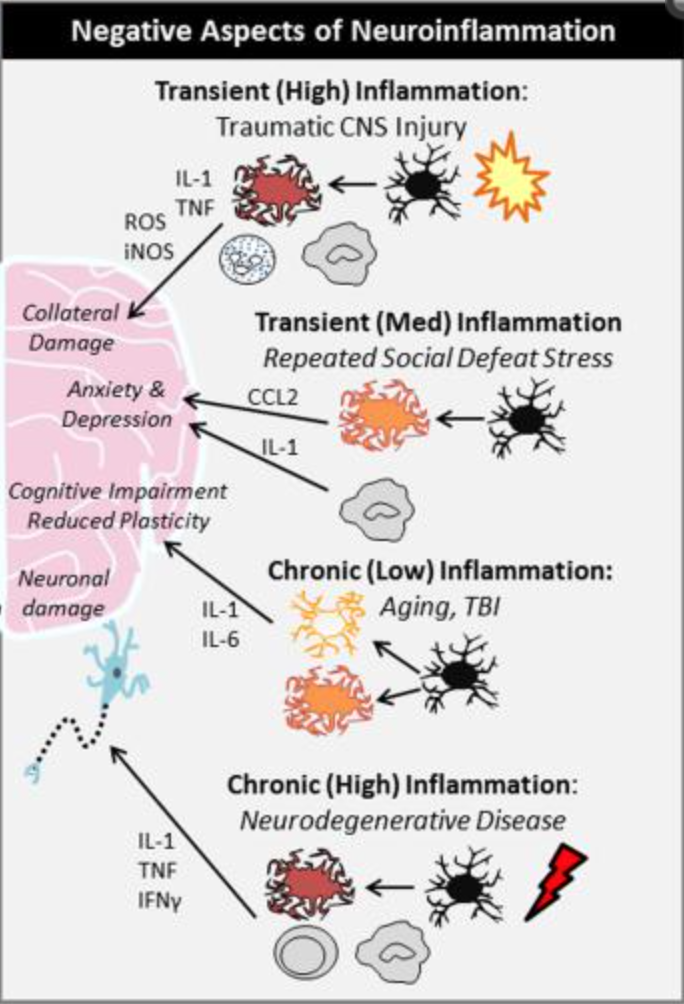
    Neuroinflammation is inflammation present anywhere in the central nervous system (brain and spinal cord). As with inflammation in the rest of the body, it’s normal and natural to have some low and temporary inflammation in your brain. 

    Chronic neuroinflammation however, is particularly detrimental to brain health and function. Brain fog is one symptom of neuroinflammation, due largely to the downstream effects of elevated immune system messengers (cytokines). 

    Neuroinflammation chart
    Source: Neuroinflammation: The Devil is in the Details

    Other common manifestations of neuroinflammation include:

    • Damage to cells in and around the area of
      inflammation. Whatever function these neurons 

        carry out is then compromised.

    • Anxiety
    • Depression
    • Cognitive impairment
    • Decreased neural plasticity, or the ability of your nervous system to adapt and change in response to internal or external factors

    Neuroinflammation can be caused by a single or a constellation of factors including:

    • Chronic stress
    • Emotional trauma
    • Physical trauma, such as head injury
    • Infection, both inside and outside the brain
    • Exposure to certain environmental toxins, like heavy metals
    • Mold exposure/mycotoxins
    • Normal aging
    • Leaky gut
    • Leaky blood brain barrier

    Leaky Blood Brain Barrier

    The blood-brain barrier (BBB) is the barrier between your bloodstream and your brain. It is a primary control point for determining what enters the brain and what is excluded. The BBB is very selective about what gets across. A healthy BBB has receptors to allow certain molecules to cross. Very small substances and fat soluble molecules typically will make it across the barrier as well.  

    blood brain barrier

    If the BBB becomes leaky, substances that would normally be excluded from entering the brain can cross. Other molecules that would have crossed in a controlled manner are now able to flood in as well. It is a lot like leaky gut, only of the brain.

    Leaky BBB results in a host of neurologic dysfunctions and neuroinflammation. Inflammation increases BBB permeability, which increases neuroinflammation, which further increases leaky BBB. This creates a cycle of dysfunction.

    Symptoms and health conditions associated with leaky BBB include:

    • Brain fog
    • Depression 
    • Neurodegenerative diseases (Alzheimer’s, Multiple sclerosis, etc.) 
    • Autism
    • Seizures 
    • Schizophrenia 

    While researchers have uncovered many BBB breachers, they’re still trying to understand the exact processes. All of these factors are associated with leaky BBB and may contribute to its development.

    • Systemic (whole-body) inflammation
    • Heavy metal toxicity
    • Leaky gut 
    • Sleep-wake cycle disruption
    • Stress
    • Bacterial infection
    • High homocysteine levels
    • Blood sugar imbalance/hyperglycemia
    • Mold toxins (mycotoxins)

    Low Brain Metabolism Or Poor Mitochondrial Function

    When your brain cells don’t produce enough energy, it becomes difficult to think clearly and focus. Low brain metabolism causes poor mental performance and brain fog. 

    Some reasons for low brain metabolism include:

    • Decreased cerebral blood flow
    • Insulin resistance
    • Mitochondrial dysfunction
    • Low thyroid function
    • Hypoxia or low oxygen delivery to the brain, such as in sleep apnea or anemia

    The metabolic pathways of brain cells also need adequate cofactors in order to produce enough energy. Some cofactors required for cellular energy production are B vitamins, CoQ10, and Alpha-lipoic acid (ALA).

    High Oxidative Stress

    Along with inflammation, oxidative stress is most likely the cause of brain fog.  Brain cells are particularly susceptible to oxidative stress because of their high oxygen use. Oxidative stress may be caused by other factors, such as leaky BBB and inflammation. However, most of the contributors to brain fog end up resulting in increased oxidative burden on the brain.

    Oxidative stress damages mitochondria and triggers inflammation pathways. The lipid membranes of neurons can be damaged by oxidative stress as well. This causes cell dysfunction and potentially cell death. 

    Oxidative stress can cause the mitochondria to slow down to protect your cells from more oxidative stress. It’s natural to have high oxidative stress at night in order to sleep. However, other persistent lifestyle-related oxidative stress can cause daytime fatigue and the “cloudy head” sensation common in brain fog.

    Stress

    Your brain needs some stress as stimuli to stay alive and grow. However, the inability to enter a parasympathetic state or constant stress reactivity can cause brain fog. 

    Chronic, unmanaged stress leads to poor brain function all around. These may include emotional, social, and cognitive functioning. Stress decreases the capability of neurons to send signals appropriately. What’s worse is that stress causes a loss of neurons and can actually cause the brain to shrink. 

    woman stressed full of tasks

    Chronic stress and trauma can cause chronic activation of the sympathetic nervous system (fight or flight) and the hypothalamic-pituitary-adrenal (HPA) axis. This decreases cerebral blood flow to crucial areas of cognitive function such as the hippocampus. It can even cause the wrong kind of brain rewiring towards more stress reactivity.

    Men are particularly vulnerable to memory impairment from chronic stress due to changes in the hypothalamus.

    Nutrient Deficiencies 

    Besides the vitamins and minerals that support mitochondrial function, there are other vital nutrients necessary for healthy brain function and eliminating brain fog. These are some of the most important nutrients for brain health.

    Omega-3 Fatty Acids

    The brain is made up of nearly 60% lipids (fats). Omega-3 essential fatty acids (EFA) provide healthy structure to neurons and keep cell membranes healthy and fluid. EFA’s also act as cell messengers and are involved in the production of neurotransmitters.

    Omega-3’s may improve brain fog, including attention and memory.  

    Healthy levels of omega-3 fatty acids are neuroprotective.

    Magnesium

    Magnesium is a cofactor in metabolic and neurotransmitter functions in the brain. Low or suboptimal magnesium levels are associated with poor cognitive performance.  People with higher magnesium levels have better attention and memory performance, and less likelihood of developing cognitive impairment.

    Low magnesium levels may also predispose anxiety, depression, and decreased stress resilience. These each negatively impact cognition and contribute to brain fog.   

    Vitamin B12

    Vitamin B12 plays an irreplaceable role in the nervous system. As a vitamin cofactor, B12 is required for the production of the myelin sheath around nerves. This makes nerve conduction efficient and effective.

    Low B12 manifests as a number of potentially irreversible nervous system symptoms, including:

    • Cognitive impairment
    • Numbness and tingling in extremities
    • Headaches
    • Tinnitus (ringing in the ears)

    Vitamin D

    Vitamin D promotes cognitive function, including learning and memory.

    Low vitamin D levels can affect mood, and mood changes are associated with brain fog. Mood stabilization may be a primary means that vitamin D supports cognitive performance.  

    Poor Sleep Or Lack Of Sleep

    Everyone has experienced the way the brain functions on little or poor quality sleep. Sleep deprivation increases the risk for chronic disease. It causes brain dysfunction that results in impaired decision-making and increased risk for motor vehicle accidents.

    Inadequate sleep impairs the signaling between neurons and leads to momentary “cognitive lapses.” These lapses impact memory and visual perception.

    tearing a sheet with sleep wrote on it

    Too Much Of The Wrong Stimulants 

    Stimulants, such as caffeine, can have various effects from person to person. Your genetics have a lot to do with this. Some people can process and metabolize stimulants relatively efficiently, while others are poor metabolizers. 

    If you have genetics that keep you from processing and eliminating stimulants well, they tend to cause jitters that inhibit cognitive function. This is why some people are sensitive to even small amounts of coffee, for example.

    For these folks, too much stimulants may actually cause brain fog. Caffeine and other stimulants are also vasoconstricting and may decrease cerebral blood flow.

    Conclusion

    Brain fog is not a nootropic deficiency. To successfully eliminate brain fog and enable your brain to function in all cylinders, most people need a comprehensive approach that goes beyond conventional nootropics. Also, every case of brain fog is different, so a one-size fits all approach can work great for one person and worsen brain fog for another. 

    Try our quiz here to find out what stack works best for you.

    In our next article, part 2, we’ll cover how Nootopia’s personalized nootropic stacks uniquely help with brain fog.

    References:

    1. Picciotto MR, Higley MJ, Mineur YS. Acetylcholine as a neuromodulator: cholinergic signaling shapes nervous system function and behavior. Neuron. 2012;76(1):116-129. doi:10.1016/j.neuron.2012.08.036
    2. Breit S, Kupferberg A, Rogler G, Hasler G. Vagus nerve as modulator of the brain–gut axis in psychiatric and inflammatory disorders. Front Psychiatry. 2018;9. doi:10.3389/fpsyt.2018.00044
    3. DiSabato DJ, Quan N, Godbout JP. Neuroinflammation: the devil is in the details. J Neurochem. 2016;139(Suppl 2):136-153. doi:10.1111/jnc.13607
    4. Theoharides TC, Stewart JM, Hatziagelaki E, Kolaitis G. Brain “fog,” inflammation and obesity: key aspects of neuropsychiatric disorders improved by luteolin. Front Neurosci. 2015;9:225. doi:10.3389/fnins.2015.00225
    5. Li L, Mao S, Wang J, Ding X, Zen JY. Viral infection and neurological disorders—potential role of extracellular nucleotides in neuroinflammation. ExRNA. 2019;1(1):1-5. doi:10.1186/s41544-019-0031-z
    6. Bondy SC. Metal toxicity and neuroinflammation. Curr Opin Toxicol. 2021;26:8-13. doi:10.1016/j.cotox.2021.03.008
    7. Baizabal-Carvallo JF, Alonso-Juarez M. The link between gut dysbiosis and neuroinflammation in parkinsońs disease. Neuroscience. 2020;432:160-173. doi:10.1016/j.neuroscience.2020.02.030
    8. Najjar S, Pearlman DM, Devinsky O, Najjar A, Zagzag D. Neurovascular unit dysfunction with blood-brain barrier hyperpermeability contributes to major depressive disorder: a review of clinical and experimental evidence. J Neuroinflammation. 2013;10(1):142. doi:10.1186/1742-2094-10-142
    9. Gudmundsson P, Skoog I, Waern M, et al. The relationship between cerebrospinal fluid biomarkers and depression in elderly women. Am J Geriatr Psychiatry. 2007;15(10):832-838. doi:10.1097/JGP.0b013e3180547091
    10. Zenaro E, Piacentino G, Constantin G. The blood-brain barrier in Alzheimer’s disease. Neurobiol Dis. 2017;107:41-56. doi:10.1016/j.nbd.2016.07.007
    11. Ortiz GG, Pacheco-Moisés FP, Macías-Islas MÁ, et al. Role of the blood-brain barrier in multiple sclerosis. Arch Med Res. 2014;45(8):687-697. doi:10.1016/j.arcmed.2014.11.013
    12. Fiorentino M, Sapone A, Senger S, et al. Blood–brain barrier and intestinal epithelial barrier alterations in autism spectrum disorders. Mol Autism. 2016;7(1). doi:10.1186/s13229-016-0110-z
    13. Theoharides TC, Zhang B. Neuro-inflammation, blood-brain barrier, seizures and autism. J Neuroinflammation. 2011;8(1):168. doi:10.1186/1742-2094-8-168
    14. van Vliet EA, Aronica E, Gorter JA. Blood-brain barrier dysfunction, seizures and epilepsy. Semin Cell Dev Biol. 2015;38:26-34. doi:10.1016/j.semcdb.2014.10.003
    15. Najjar S, Pahlajani S, De Sanctis V, Stern JNH, Najjar A, Chong D. Neurovascular unit dysfunction and blood-brain barrier hyperpermeability contribute to schizophrenia neurobiology: A theoretical integration of clinical and experimental evidence. Front Psychiatry. 2017;8:83. doi:10.3389/fpsyt.2017.00083
    16. Müller N, Ackenheil M. Immunoglobulin and albumin content of cerebrospinal fluid in schizophrenic patients: relationship to negative symptomatology. Schizophr Res. 1995;14(3):223-228. doi:10.1016/0920-9964(94)00045-a
    17. Varatharaj A, Galea I. The blood-brain barrier in systemic inflammation. Brain Behav Immun. 2017;60:1-12. doi:10.1016/j.bbi.2016.03.010
    18. Banks WA. The blood-brain barrier: connecting the gut and the brain. Regul Pept. 2008;149(1-3):11-14. doi:10.1016/j.regpep.2007.08.027
    19. Kelly JR, Kennedy PJ, Cryan JF, Dinan TG, Clarke G, Hyland NP. Breaking down the barriers: the gut microbiome, intestinal permeability and stress-related psychiatric disorders. Front Cell Neurosci. 2015;9:392. doi:10.3389/fncel.2015.00392
    20. He J, Hsuchou H, He Y, Kastin AJ, Wang Y, Pan W. Sleep restriction impairs blood-brain barrier function. J Neurosci. 2014;34(44):14697-14706. doi:10.1523/JNEUROSCI.2111-14.2014
    21. Esposito P, Gheorghe D, Kandere K, et al. Acute stress increases permeability of the blood-brain-barrier through activation of brain mast cells. Brain Res. 2001;888(1):117-127. doi:10.1016/s0006-8993(00)03026-2
    22. Leppert D, Leib SL, Grygar C, Miller KM, Schaad UB, Holländer GA. Matrix metalloproteinase (MMP)-8 and MMP-9 in cerebrospinal fluid during bacterial meningitis: association with blood-brain barrier damage and neurological sequelae. Clin Infect Dis. 2000;31(1):80-84. doi:10.1086/313922
    23. Beard RS Jr, Reynolds JJ, Bearden SE. Hyperhomocysteinemia increases permeability of the blood-brain barrier by NMDA receptor-dependent regulation of adherens and tight junctions. Blood. 2011;118(7):2007-2014. doi:10.1182/blood-2011-02-338269
    24. Prasad S, Sajja RK, Naik P, Cucullo L. Diabetes mellitus and blood-brain barrier dysfunction: An overview. J Pharmacovigil. 2014;2(2):125. doi:10.4172/2329-6887.1000125
    25. Talarowska M, Bobińska K, Zajączkowska M, Su KP, Maes M, Gałecki P. Impact of oxidative/nitrosative stress and inflammation on cognitive functions in patients with recurrent depressive disorders. Med Sci Monit. 2014;20:110-115. doi:10.12659/MSM.889853
    26. Bhat AH, Dar KB, Anees S, et al. Oxidative stress, mitochondrial dysfunction and neurodegenerative diseases; a mechanistic insight. Biomed Pharmacother. 2015;74:101-110. doi:10.1016/j.biopha.2015.07.025
    27. Everson CA, Laatsch CD, Hogg N. Antioxidant defense responses to sleep loss and sleep recovery. Am J Physiol Regul Integr Comp Physiol. 2005;288(2):R374-83. doi:10.1152/ajpregu.00565.2004
    28. Ecole Polytechnique Fédérale de Lausanne. How stress tears us apart: Enzyme attacks synaptic molecule, leading to cognitive impairment. Science Daily. Published online September 18, 2014. Accessed September 28, 2022. https://www.sciencedaily.com/releases/2014/09/140918091418.htm
    29. Kang HJ, Voleti B, Hajszan T, et al. Decreased expression of synapse-related genes and loss of synapses in major depressive disorder. Nat Med. 2012;18(9):1413-1417. doi:10.1038/nm.2886
    30. Burrage E, Marshall KL, Santanam N, Chantler PD. Cerebrovascular dysfunction with stress and depression. Brain Circ. 2018;4(2):43-53. doi:10.4103/bc.bc_6_18
    31. Chang CY, Ke DS, Chen JY. Essential fatty acids and human brain. Acta Neurol Taiwan. 2009;18(4):231-241.
    32. Bauer I, Hughes M, Rowsell R, et al. Omega-3 supplementation improves cognition and modifies brain activation in young adults: Effects of omega-3 fatty acids on fMRI measures. Hum Psychopharmacol. 2014;29(2):133-144. doi:10.1002/hup.2379
    33. Stonehouse W, Conlon CA, Podd J, et al. DHA supplementation improved both memory and reaction time in healthy young adults: a randomized controlled trial. Am J Clin Nutr. 2013;97(5):1134-1143. doi:10.3945/ajcn.112.053371
    34. Al-Ghazali K, Eltayeb S, Musleh A, Al-Abdi T, Ganji V, Shi Z. Serum magnesium and cognitive function among Qatari adults. Front Aging Neurosci. 2020;12:101. doi:10.3389/fnagi.2020.00101
    35. Botturi A, Ciappolino V, Delvecchio G, Boscutti A, Viscardi B, Brambilla P. The role and the effect of magnesium in mental disorders: A systematic review. Nutrients. 2020;12(6):1661. doi:10.3390/nu12061661
    36. Katz MJ, Derby CA, Wang C, et al. Influence of perceived stress on incident amnestic mild cognitive impairment: Results from the Einstein Aging Study. Alzheimer Dis Assoc Disord. 2016;30(2):93-98. doi:10.1097/WAD.0000000000000125
    37. Pickering G, Mazur A, Trousselard M, et al. Magnesium status and stress: The vicious circle concept revisited. Nutrients. 2020;12(12):3672. doi:10.3390/nu12123672
    38. Jonsdottir IH, Nordlund A, Ellbin S, et al. Cognitive impairment in patients with stress-related exhaustion. Stress. 2013;16(2):181-190. doi:10.3109/10253890.2012.708950
    39. Castle M, Fiedler N, Pop LC, et al. Three doses of vitamin D and cognitive outcomes in older women: A double-blind randomized controlled trial. J Gerontol A Biol Sci Med Sci. 2020;75(5):835-842. doi:10.1093/gerona/glz041
    40. Menon V, Kar SK, Suthar N, Nebhinani N. Vitamin D and depression: A critical appraisal of the evidence and future directions. Indian J Psychol Med. 2020;42(1):11-21. doi:10.4103/IJPSYM.IJPSYM_160_19
    41. Vellekkatt F, Menon V. Efficacy of vitamin D supplementation in major depression: A meta-analysis of randomized controlled trials. J Postgrad Med. 2019;65(2):74-80. doi:10.4103/jpgm.JPGM_571_17
    42. Nir Y, Andrillon T, Marmelshtein A, et al. Selective neuronal lapses precede human cognitive lapses following sleep deprivation. Nat Med. 2017;23(12):1474-1480. doi:10.1038/nm.4433
  • What Is Nitric Oxide and Its Roles In The Brain and Body

    What Is Nitric Oxide and Its Roles In The Brain and Body

    What is Nitric Oxide?

    It is a free radical, meaning it is a molecule with unpaired electrons. Most free radicals get a bad rap, but not NO. Nitric oxide plays a crucial role in every cell in your body!

    Nitric oxide is a critical component of many biological processes in your cardiovascular, immune, and nervous systems. Just think, without proper circulation, your body can’t function, and that’s how vital NO is!

    Physiologically, nitric oxide serves as an important neurotransmitter and neuromodulator. It helps you store your long-term memories and controls sleep, appetite, body temperature, and the production of neurohormones. Pathologically, when maintained at appropriate levels, nitric oxide helps to mediate some brain damage.

    Roles of Nitric Oxide In The Brain 

    Neurogenesis 

    Nitric oxide plays a vital role in your body’s ability to grow and develop new neurons, or neurogenesis. Why does this even matter? You have an abundance of diversity in neurons in your brain. Each type of neuron is unique and specific to the structure and connection required by its brain region. To maintain optimal brain performance, your body must replace damaged neurons.

    Alzheimer’s progression

    Nitric oxide has a three-fold role in the progress of Alzheimer’s disease. To better understand how it works, you should first understand the three different types of nitric oxide synthase: 

    • Neuronal (nNOS), which produce nitric oxide in neurons
    • Inducible (iNOS), which produces nitric oxide that mediates inflammatory responses
    • Endothelial (eNOS), which produces nitric oxide that dilates the blood vessels and increases blood flow

    Now, back to what happens in the brain with Alzheimer’s. First, lower blood flow reduces eNOS. Second, plaque formations between neurons cause chronic inflammation and activate iNOS. Finally, changes in calcium receptors increase the activation of nNOS.

    Oxidative stress is one of the earliest pathological changes in individuals with Alzheimer’s.  In states of inflammation, nitric oxide increases considerably and contributes to oxidative stress.

    With age and other pathological processes, nitric oxide can become harmful. This occurs when it reacts with another oxide and forms peroxynitrite. Peroxynitrite can then react with tyrosine proteins beginning an irreversible process leading to the accumulation of misfolded proteins that contribute to the onset of Alzheimer’s disease.

    While it is clear that nitric oxide is involved in the progression of Alzheimer’s disease, scientists are unsure whether it plays a neuroprotective or neurotoxic role overall. Regardless, nitric oxide’s ability to increase blood flow can help decrease plaque growth.

    Central blood pressure regulation

    Central blood pressure is the pressure seen by the aorta and the blood pressure exposure of your brain, heart, and kidneys. The aorta is the biggest blood vessel that receives blood each time the heart beats.

    The Central Nervous System (CNS) controls blood pressure through nerves and hormones. Special nerve endings, called baroreceptors, are located in blood vessels near the heart and act as sensors for the brain. They detect how stretchy the blood vessel walls are. Blood vessel walls stretch as blood pressure increases, activating baroreceptors.

    So how does nitric oxide play into all of this? As I told you before, Nitric oxide synthase produces NO. This synthase acts throughout the central nervous system and controls the baroreceptor pathway.

    Nitric oxide in your central nervous system, mainly your brain stem, is crucial to activating the sympathetic nervous system. The sympathetic nervous system regulates your blood pressure, and when there is too much activity, it can cause high blood pressure. This is why stress can increase blood pressure.

    Roles of Nitric Oxide Outside The Brain

    So far, we’ve talked about how nitric oxide works in the brain, but it is in nearly every cell in your body! It plays a significant role in your cardiovascular system. NO regulates all of your blood flow and tissue oxygenation. It even plays a role in your erection (of the penis and clitoris). 

    Blood pressure

    Nitric oxide produced in the lining of the blood vessels acts as a messenger. It tells your blood vessels to either widen or dilate and contract or relax, like an elastic band. When your blood vessels widen, this allows more blood to flow, lowering your blood pressure.

    As you age, your body begins to produce less nitric oxide. With less nitric oxide, your blood vessels cannot relax as easily to allow more blood to flow. Having contracted blood vessels reduces the amount of blood flow throughout the body and can lead to high blood pressure and less blood flow to vital organs. Luckily, there are ways to help counteract this through diet and exercise. Read on to learn more.

    Circulation

    Nitric oxide allows for more blood flow and increases the circulation of blood throughout your body as well as the brain. This has implications in many areas of your life. NO supports your body’s ability to:

    • Maintain oxygen flow throughout the body to maintain proper functioning of the heart, lungs, muscles, and kidneys
    • Fight off diseases by circulating your immune system’s white blood cells throughout the body.
    • Support healthy organs through circulation’s ability to remove excess waste such as carbon dioxide.

    Increased circulation could mean better workouts and decreased time before muscle fatigue. NO ensures that your muscles get the necessary blood flow you need to complete your optimal oxygen-rich training. Good blood flow helps fight lactic acid build-up by flushing out lactic acid and fills your muscles with nutrients. Additionally, because NO protects against inflammation, it’s essential for tissue injury recovery.

    Optimal nitric oxide levels could also mean increased endurance (yep, even in the bedroom) due to increased blood flow to the penis. The release of NO triggers the erectile response. But this is nitric oxide’s only role. NO is continuously released to sustain the erection by relaxing the blood vessels and allowing more blood.

    Neurotransmitters That Balance or Potentiate Nitric Oxide

    Nitric Oxide doesn’t work alone. Some neurotransmitters work to balance your NO levels and increase its effects. 

    Acetylcholine

    Acetylcholine stimulates the release of nitric oxide in multiple ways. Within blood cells, it activates the release of NO, and in your skin, it increases the bioavailability of nitric oxide. Just under the surface are blood vessels. Acetylcholine and nitric oxide work together to dilate these blood vessels.

    Glutamate

    Glutamate is at the beginning of a particular pathway that activates the release of nitric oxide into the body. The proper functioning of this pathway is critical for learning and memory.

    These two neurotransmitters also work together in reproduction. Glutamate activates NO, which causes a surge in gonadotropin releasing hormone, which occurs pre-ovulation in women.

    Norepinephrine

    Women are not the only ones who benefit from nitric oxide in reproduction. Both men and women are affected by norepinephrine’s stimulation of NO release. The release of nitric oxide occurs in the hypothalamus, which then triggers the release of the hormone Luteinizing hormone releasing hormone (LHRH). LHRH then causes the pituitary gland to make and secrete luteinizing hormones which cause testicles to produce testosterone and ovaries to make estrogen and progesterone.

    Oxytocin

    Interestingly, the same reaction that can induce an erection also causes yawning. Oxytocin increases the release of nitric oxide outside the hypothalamus triggering the behavioral response.

    In connection to norepinephrine, oxytocin stimulates the release of the luteinizing hormone responsible for reproduction. It does this by stimulating nitric oxide synthase (what produces nitric oxide) via norepinephrine.

    Supplements That Increase Nitric Oxide

    Some supplements can help increase your nitric oxide levels. They work by providing nitric oxide synthase, a substrate or substance, to turn into nitric oxide, thereby increasing the amount of nitric oxide in your body. The following amino acids work together to promote nitric oxide production.

    Arginine AKG

    Amino acid L-arginine is the primary substrate needed for optimal nitric oxide production, and it metabolizes into l-arginine alpha-ketoglutarate (AAKG). 

    In a study of 24 strength-trained individuals, subjects received either AAKG + creatine, AAKG + placebo, placebo, or nothing over eight weeks. Arginine levels peaked around 2 hours and 4 hours, meaning the ideal time for supplementation is two hours before your workout. Compared to other groups, subjects who took AAKG + creatine or AAKG+ placebo experienced increased strength.  Therefore, AAKG supplementation significantly increases strength. This increase is likely due to the increase in Nitric oxide production and its ability to widen the blood vessels and increase blood flow to the muscles during exercise.

    Supplementing with AAKG is not only beneficial to exercise. Because it supports the synthesis of nitric oxide in cells on internal and external surfaces of the body and the circulatory system, AAKG supplementation can benefit your circulatory system and organs.

    DL- Citrulline Malate

    Citrulline is an amino acid that turns into arginine. Watermelon has the highest naturally occurring amount in food. Because arginine breaks down quickly, getting it into your blood supply is more challenging. This is where citrulline comes into play! Supplementing with citrulline helps arginine to stay in your blood plasma longer and could result in increased blood flow and exercise performance.

    DL citrulline malate is citrulline combined with malic acid, a chemical found in fruits and wines. Malate helps to boost energy by supporting cell energy generation. Having more cellular energy allows you to exercise longer!

    DL-citrulline malate is effective in both men and women to improve weightlifting. The combination of citrulline and malic acid works not only to increase arginine, thereby producing more nitric oxide, but also to reduce lactic acid.

    In a study across six gyms in Spain, 41 men took part either in the control group or a group receiving a single 8 mg dose of citrulline malate. Subjects who received the citrulline malate completed more barbell bench press repetitions and significantly less muscle soreness. Therefore, citrulline malate increases athletic performance.

    If both arginine AKG and DL-Citrulline Malate successfully improve your body’s performance, imagine if you combined them. You can find these amino acids in Nootopia’s unique formulas: Nectar X and Power Solution.

    Nitric Oxide Supplement Side Effects

    So, what about nitric oxide supplements? Are they safe? For the most part, yes, but there are some side effects you need to be aware of. Mild side effects include:

    • Stomach pain, bloating, or heartburn
    • Nausea 
    • Diarrhea
    • Lightheaded or dizziness
    • Headache
    • Heart palpitations

    Are there some cases where you should avoid nitric oxide supplementation? You may want to avoid NO supplements if you have or are at risk of:

    • Developing cancer
    • Cirrhosis of the liver or scarring
    • Low blood pressure 
    • A heart attack
    • Guanidinoacetate methyltransferase deficiency

    As always, talk to your doctor or qualified medical professional with any questions regarding your health. 

    Are there ways to tell whether your nitric oxide levels are too high or low? Yes, there’s a test for that. You can do it at home using nitric oxide test strips or ask your doctor about taking an exhaled nitric oxide test. But how would you even know if you might have an issue with your nitric oxide level? Read on to find out. 

    Signs of Too High Nitric Oxide

    Here’s what to look out for as signs that your nitric oxide levels are too high:

    • Irritation of the eyes or blurred vision
    • Headaches or migraines

    High levels of nitric oxide can also cause damage on a cellular level. When damage at this level occurs, it is associated with neurodegenerative diseases such as Alzheimer’s, Parkinson’s, and Huntington’s disease. 

    Signs of Too Low Nitric Oxide

    How do you know when it would be beneficial to increase your nitric oxide levels? The following symptoms are associated with low levels of nitric oxide:

    • Decreased blood flow 
    • Poor circulation, such as cold hands and feet
    • Sexual dysfunction or lack of stamina
    • High blood pressure
    • Memory loss (also a possible warning sign of dementia)
    • Chronic fatigue
    • Sleep issues or insomnia
    • Low stamina and endurance during exercise
    • Slower exercise recovery times
    • Chronic stress

    So, you’re experiencing one or more of the symptoms listed above. How can you treat it naturally?

    Natural Ways To Increase Nitric Oxide

    Eat your way to higher nitric oxide levels

    Eat foods that are high in nitrates

    So you’re telling me to eat nitrates? You’ve heard warnings about eating too many nitrates and that they can cause cancer.  Let’s clear something up. It all depends on what type of nitrate you eat. 

    Harmful nitrates are those found in processed meats like bacon and hot dogs. These nitrates convert into nitrosamines in the stomach when combined with stomach acid. Nitrosamines are known to potentially cause cancer.

    Where can you find the good kind of nitrates? Here is a helpful list of vegetables with the highest levels:

    • Dark leafy greens like swiss chard, kale, spinach, arugula
    • Vegetables in the brassica family such as bok choy, cabbage, mustard greens, cauliflower, kohlrabi, and broccoli
    • Beets
    • Carrots

    When you eat these foods, the good bacteria in your mouth and your saliva play essential roles in the conversion process. Some nitrates are converted in your mouth by bacteria and absorbed by the stomach and intestine. The remaining nitrates are reabsorbed by your salivary glands and later excreted in your saliva.

    How you eat your veggies matters. Cooking them reduces the amount of nitrates available, so it’s best to eat them raw for maximum nitrate benefits. However, you’ll still get some nitrates and other health benefits even if you eat them cooked.

    Eat Foods High In Citrulline

    Remember citrulline? The amino acid turns into arginine and helps keep arginine in the blood plasma long enough for it to convert into nitric oxide. Increasing foods high in citrulline helps support this process. Here are some great options:

    • Watermelon
    • Nuts
    • Squash
    • Chickpeas (eat more hummus!)
    • Cucumbers 
    • Pumpkin

    Increase Your Antioxidants

    Antioxidants increase nitric oxide synthase activity, thereby increasing the amount of nitric oxide in your body. Here are some really important ones:

    Vitamin C

    Supplementing with vitamin C and addition to a nitrate-rich diet may boost nitrate levels even more. In a study of 20 healthy adults, taking a nitrate supplement along with vitamin C lowered blood pressure and stiffness of the arteries compared to a placebo group. Therefore, the combination of nitrates and vitamin C increased the nitric oxide levels in the body.

    Polyphenols

    Eating a diet high in polyphenols boosts nitric oxide levels in plasma and has been associated with low blood pressure. This is where it gets delicious. Good sources of polyphenols include:

    • Red wine
    • Dark chocolate
    • Tea
    • Berries
    • Extra virgin olive oil

    Make Some Lifestyle Changes

    Exercise

    Exercise increases nitric oxide production. In a study of 184 individuals, one hour of aerobic exercise daily for a month increased NO levels, reduced blood pressure, and increased antioxidants in the body. So get out there and get moving!

    Sunlight

    Get outside and soak up some rays! Exposure to UVA radiation from the sun can help release nitric oxide into the skin. What’s even better is that the effects last for days!

    Limit antiseptic mouthwash usage

    Your oral bacteria is essential in maintaining your nitric oxide levels. Using antiseptic mouthwash destroys the entire microbiome. Avoid using mouthwashes labeled as antiseptic or containing ingredients like chlorhexidine, alcohol, or hydrogen peroxide. Why not try oil pulling to improve oral health?

    Natural Ways To Reduce Nitric Oxide

    We’ve discussed many ways to increase nitric oxide, but what if your levels are too high? How can you reduce it? To reduce nitric oxide levels, the body must slow down nitric oxide synthase. Below are some ways to do this.

    L-lysine Supplementation 

    Nitric oxide depends on arginine for production. L-lysine inhibits the cellular transporter of arginine. Increasing your lysine levels can help slow down the production of arginine and, thereby, nitric oxide.

    Increase your fat intake

    Saturated fats are known to deplete nitric oxide levels. But not all fats are created equal; a lot can depend on what fats work best for your particular body type. Read more here.

    Pass the salt

    Increasing salt intake decreases nitric oxide production. It does this by inactivating nitric oxide synthase in your blood cells.

    The Takeaway

    Maintaining healthy nitric oxide levels is crucial to your health. Essentially, every part of your body needs it to thrive. From your head to your toes, nitric oxide supports healthy blood flow throughout the body, ensuring the health of your organs. NO can improve your workouts and recovery time and even keep you going in the bedroom. 
    There are many natural ways to balance or enhance your nitric oxide levels. One of the most effective ways is by taking Nootropics. But first, find out what kind of neurotransmitter support you need the most with our quiz here.

    References:

    1. Togo T, Katsuse O, Iseki E. Nitric oxide pathways in Alzheimer’s disease and other neurodegenerative dementias. Neurol Res. 2004;26(5):563-566. doi:10.1179/016164104225016236
    2. Chong CM, Ai N, Ke M, et al. Roles of nitric oxide synthase isoforms in neurogenesis. Mol Neurobiol. 2018;55(3):2645-2652. doi:10.1007/s12035-017-0513-7
    3. Research leaders. What is neurogenesis? Edu.au. Published November 22, 2016. Accessed September 8, 2022. https://qbi.uq.edu.au/brain-basics/brain-physiology/what-neurogenesis
    4. Jin X, Yu ZF, Chen F, et al. Neuronal nitric oxide synthase in neural stem cells induces neuronal fate commitment via the inhibition of histone deacetylase 2. Front Cell Neurosci. 2017;11:66. doi:10.3389/fncel.2017.00066
    5. Tricoire L, Vitalis T. Neuronal nitric oxide synthase expressing neurons: a journey from birth to neuronal circuits. Front Neural Circuits. 2012;6:82. doi:10.3389/fncir.2012.00082
    6. Cinelli MA, Do HT, Miley GP, Silverman RB. Inducible nitric oxide synthase: Regulation, structure, and inhibition: CINELLIet al. Med Res Rev. 2020;40(1):158-189. doi:10.1002/med.21599
    7. Williams D, Kenyon A, Adamson D. Physiology. In: Basic Science in Obstetrics and Gynaecology. Elsevier; 2010:173-230.
    8. Balez R, Ooi L. Getting to NO Alzheimer’s disease: Neuroprotection versus neurotoxicity mediated by nitric oxide. Oxid Med Cell Longev. 2016;2016:3806157. doi:10.1155/2016/3806157
    9. Picón-Pagès P, Garcia-Buendia J, Muñoz FJ. Functions and dysfunctions of nitric oxide in brain. Biochim Biophys Acta Mol Basis Dis. 2019;1865(8):1949-1967. doi:10.1016/j.bbadis.2018.11.007
    10. Weber T, Protogerou AD, Agharazii M, et al. Twenty-four-hour central (aortic) systolic blood pressure: Reference values and dipping patterns in untreated individuals. Hypertension. 2022;79(1):251-260. doi:10.1161/HYPERTENSIONAHA.121.17765
    11. Chapleau MW, Lu Y, Abboud FM. Mechanosensitive ion channels in blood pressure-sensing baroreceptor neurons. Curr Top Membr. 2007;59:541-567. doi:10.1016/S1063-5823(06)59021-0
    12. Hirooka Y, Kishi T, Sakai K, Takeshita A, Sunagawa K. Imbalance of central nitric oxide and reactive oxygen species in the regulation of sympathetic activity and neural mechanisms of hypertension. Am J Physiol Regul Integr Comp Physiol. 2011;300(4):R818-26. doi:10.1152/ajpregu.00426.2010
    13. Wyss JM. The role of the sympathetic nervous system in hypertension. Curr Opin Nephrol Hypertens. 1993;2(2):265-273. doi:10.1097/00041552-199303000-00014
    14. Chen K, Pittman RN, Popel AS. Nitric oxide in the vasculature: where does it come from and where does it go? A quantitative perspective. Antioxid Redox Signal. 2008;10(7):1185-1198. doi:10.1089/ars.2007.1959
    15. Gragasin FS, Michelakis ED, Hogan A, et al. The neurovascular mechanism of clitoral erection: nitric oxide and cGMP-stimulated activation of BKCa channels. FASEB J. 2004;18(12):1382-1391. doi:10.1096/fj.04-1978com
    16. Ahmad A, Dempsey SK, Daneva Z, et al. Role of nitric oxide in the cardiovascular and renal systems. Int J Mol Sci. 2018;19(9):2605. doi:10.3390/ijms19092605
    17. Stauss HM, Persson PB. Role of nitric oxide in buffering short-term blood pressure fluctuations. News Physiol Sci. 2000;15:229-233. doi:10.1152/physiologyonline.2000.15.5.229
    18. Yan Y, Hillyer JF. The immune and circulatory systems are functionally integrated across insect evolution. Sci Adv. 2020;6(48):eabb3164. doi:10.1126/sciadv.abb3164
    19. Pedoto A, Caruso JE, Nandi J, et al. Acidosis stimulates nitric oxide production and lung damage in rats. Am J Respir Crit Care Med. 1999;159(2):397-402. doi:10.1164/ajrccm.159.2.9802093
    20. Burnett AL. Novel nitric oxide signaling mechanisms regulate the erectile response. Int J Impot Res. 2004;16 Suppl 1(S1):S15-9. doi:10.1038/sj.ijir.3901209
    21. Burnett AL. The role of nitric oxide in erectile dysfunction: implications for medical therapy. J Clin Hypertens (Greenwich). 2006;8(12 Suppl 4):53-62. doi:10.1111/j.1524-6175.2006.06026.x
    22. Kellogg DL Jr, Zhao JL, Coey U, Green JV. Acetylcholine-induced vasodilation is mediated by nitric oxide and prostaglandins in human skin. J Appl Physiol. 2005;98(2):629-632. doi:10.1152/japplphysiol.00728.2004
    23. Dhandapani KM, Brann DW. The role of glutamate and nitric oxide in the reproductive neuroendocrine system. Biochem Cell Biol. 2000;78(3):165-179. doi:10.1139/o00-015
    24. Seilicovich A, Lasaga M, Befumo M, et al. Nitric oxide inhibits the release of norepinephrine and dopamine from the medial basal hypothalamus of the rat. Proc Natl Acad Sci U S A. 1995;92(24):11299-11302. doi:10.1073/pnas.92.24.11299
    25. Melis MR, Succu S, Iannucci U, Argiolas A. Oxytocin increases nitric oxide production in the paraventricular nucleus of the hypothalamus of male rats: correlation with penile erection and yawning. Regul Pept. 1997;69(2):105-111. doi:10.1016/s0167-0115(97)00002-5
    26. Rettori V, Canteros G, Renoso R, Gimeno M, McCann SM. Oxytocin stimulates the release of luteinizing hormone-releasing hormone from medial basal hypothalamic explants by releasing nitric oxide. Proc Natl Acad Sci U S A. 1997;94(6):2741-2744. doi:10.1073/pnas.94.6.2741
    27. Rettori V, Canteros G, McCann SM. Interaction between NO and oxytocin: influence on LHRH release. Braz J Med Biol Res. 1997;30(4):453-457. doi:10.1590/s0100-879×1997000400004
    28. Rajapakse NW, Mattson DL. Role of L-arginine in nitric oxide production in health and hypertension. Clin Exp Pharmacol Physiol. 2009;36(3):249-255. doi:10.1111/j.1440-1681.2008.05123.x
    29. Davis AR, Webber CL, Fish WW, Wehner TC, King S, Perkins-Veazie P. L-citrulline levels in watermelon cultigens tested in two environments. HortScience. 2011;46(12):1572-1575. doi:10.21273/hortsci.46.12.1572
    30. Hartman WJ, Torre PM, Prior RL. Dietary citrulline but not ornithine counteracts dietary arginine deficiency in rats by increasing splanchnic release of citrulline. J Nutr. 1994;124(10):1950-1960. doi:10.1093/jn/124.10.1950
    31. Gonzalez AM, Trexler ET. Effects of citrulline supplementation on exercise performance in humans: A review of the current literature: A review of the current literature. J Strength Cond Res. 2020;34(5):1480-1495. doi:10.1519/jsc.0000000000003426
    32. Morita M, Hayashi T, Ochiai M, et al. Oral supplementation with a combination of L-citrulline and L-arginine rapidly increases plasma L-arginine concentration and enhances NO bioavailability. Biochem Biophys Res Commun. 2014;454(1):53-57. doi:10.1016/j.bbrc.2014.10.029
    33. Glenn JM, Gray M, Wethington LN, Stone MS, Stewart RW Jr, Moyen NE. Acute citrulline malate supplementation improves upper- and lower-body submaximal weightlifting exercise performance in resistance-trained females. Eur J Nutr. 2017;56(2):775-784. doi:10.1007/s00394-015-1124-6
    34. Gonzalez AM, Spitz RW, Ghigiarelli JJ, Sell KM, Mangine GT. Acute effect of citrulline malate supplementation on upper-body resistance exercise performance in recreationally resistance-trained men. J Strength Cond Res. 2018;32(11):3088-3094. doi:10.1519/JSC.0000000000002373
    35. Pérez-Guisado J, Jakeman PM. Citrulline malate enhances athletic anaerobic performance and relieves muscle soreness. J Strength Cond Res. 2010;24(5):1215-1222. doi:10.1519/JSC.0b013e3181cb28e0
    36. McNeal CJ, Meininger CJ, Reddy D, Wilborn CD, Wu G. Safety and effectiveness of Arginine in adults. J Nutr. 2016;146(12):2587S-2593S. doi:10.3945/jn.116.234740
    37. Iwakiri Y, Kim MY. Nitric oxide in liver diseases. Trends Pharmacol Sci. 2015;36(8):524-536. doi:10.1016/j.tips.2015.05.001
    38. Ashina M, Bendtsen L, Jensen R, Olesen J. Nitric oxide-induced headache in patients with chronic tension-type headache. Brain. 2000;123 ( Pt 9)(9):1830-1837. doi:10.1093/brain/123.9.1830
    39. Zhang L, Dawson VL, Dawson TM. Role of nitric oxide in Parkinson’s disease. Pharmacol Ther. 2006;109(1-2):33-41. doi:10.1016/j.pharmthera.2005.05.007
    40. Deckel AW. Nitric oxide and nitric oxide synthase in Huntington’s disease. J Neurosci Res. 2001;64(2):99-107. doi:10.1002/jnr.1057
    41. Suárez A, Guillamó E, Roig T, et al. Nitric oxide metabolite production during exercise in chronic fatigue syndrome: a case-control study. J Womens Health (Larchmt). 2010;19(6):1073-1077. doi:10.1089/jwh.2008.1255
    42. Kalinchuk AV, Lu Y, Stenberg D, Rosenberg PA, Porkka-Heiskanen T. Nitric oxide production in the basal forebrain is required for recovery sleep. J Neurochem. 2006;99(2):483-498. doi:10.1111/j.1471-4159.2006.04077.x
    43. Bailey SJ, Winyard PG, Vanhatalo A, et al. Acute L-arginine supplementation reduces the O2 cost of moderate-intensity exercise and enhances high-intensity exercise tolerance. J Appl Physiol. 2010;109(5):1394-1403. doi:10.1152/japplphysiol.00503.2010
    44. Anderson JE. A role for nitric oxide in muscle repair: Nitric oxide–mediated activation of muscle satellite cells. Mol Biol Cell. 2000;11(5):1859-1874. doi:10.1091/mbc.11.5.1859
    45. Nazeri M, Razavinasab M, Abareghi F, Shabani M. Role of nitric oxide in altered nociception and memory following chronic stress. Physiol Behav. 2014;129:214-220. doi:10.1016/j.physbeh.2014.02.054
    46. Li K, Ricker K, Tsai FC, et al. Estimated cancer risks associated with nitrosamine contamination in commonly used medications. Int J Environ Res Public Health. 2021;18(18):9465. doi:10.3390/ijerph18189465
    47. Brkić D, Bošnir J, Bevardi M, et al. Nitrate in leafy green vegetables and estimated intake. Afr J Tradit Complement Altern Med. 2017;14(3):31-41. doi:10.21010/ajtcam.v14i3.4
    48. Gallardo EJ, Coggan AR. What’s in your beet juice? Nitrate and nitrite content of beet juice products marketed to athletes. Int J Sport Nutr Exerc Metab. 2019;29(4):345-349. doi:10.1123/ijsnem.2018-0223
    49. Hord NG, Tang Y, Bryan NS. Food sources of nitrates and nitrites: the physiologic context for potential health benefits. Am J Clin Nutr. 2009;90(1):1-10. doi:10.3945/ajcn.2008.27131
    50. Ma L, Hu L, Feng X, Wang S. Nitrate and nitrite in health and disease. Aging Dis. 2018;9(5):938-945. doi:10.14336/AD.2017.1207
    51. Salehzadeh H, Maleki A, Rezaee R, Shahmoradi B, Ponnet K. The nitrate content of fresh and cooked vegetables and their health-related risks. PLoS One. 2020;15(1):e0227551. doi:10.1371/journal.pone.0227551
    52. Mulwa PM, Njue W, Ng’ang’a M. Assessment of L-citrulline, L-arginine and L-glutamic acid content in selected fruits, vegetables, seeds, and nuts sold in markets in Nairobi City County, Kenya. European Journal of Agriculture and Food Sciences. 2020;2(5). doi:10.24018/ejfood.2020.2.5.100
    53. Kojsová S, Jendeková L, Zicha J, Kunes J, Andriantsitohaina R, Pechánová O. The effect of different antioxidants on nitric oxide production in hypertensive rats. Physiol Res. 2006;55 Suppl 1:S3-S16. doi:10.33549/physiolres.930000.55.S1.3
    54. Medina-Remón A, Tresserra-Rimbau A, Pons A, et al. Effects of total dietary polyphenols on plasma nitric oxide and blood pressure in a high cardiovascular risk cohort. The PREDIMED randomized trial. Nutr Metab Cardiovasc Dis. 2015;25(1):60-67. doi:10.1016/j.numecd.2014.09.001
    55. Oral O. Nitric oxide and its role in exercise physiology. J Sports Med Phys Fitness. 2021;61(9):1208-1211. doi:10.23736/S0022-4707.21.11640-8
    56. Dyakova EY, Kapilevich LV, Shylko VG, Popov SV, Anfinogenova Y. Physical exercise associated with NO production: signaling pathways and significance in health and disease. Front Cell Dev Biol. 2015;3:19. doi:10.3389/fcell.2015.00019
    57. Tsukiyama Y, Ito T, Nagaoka K, Eguchi E, Ogino K. Effects of exercise training on nitric oxide, blood pressure and antioxidant enzymes. J Clin Biochem Nutr. 2017;60(3):180-186. doi:10.3164/jcbn.16-108
    58. Hazell G, Khazova M, Cohen H, Felton S, Raj K. Post-exposure persistence of nitric oxide upregulation in skin cells irradiated by UV-A. Sci Rep. 2022;12(1):9465. doi:10.1038/s41598-022-13399-4
    59. Wong VWC, Lerner E. Nitric oxide inhibition strategies. Future Sci OA. 2015;1(1). doi:10.4155/fso.15.35
    60. Carter BW Jr, Chicoine LG, Nelin LD. L-lysine decreases nitric oxide production and increases vascular resistance in lungs isolated from lipopolysaccharide-treated neonatal pigs. Pediatr Res. 2004;55(6):979-987. doi:10.1203/01.pdr.0000127722.55965.b3
    61. Razny U, Kiec-Wilk B, Wator L, et al. Increased nitric oxide availability attenuates high fat diet metabolic alterations and gene expression associated with insulin resistance. Cardiovasc Diabetol. 2011;10(1):68. doi:10.1186/1475-2840-10-68
    62. Li J, White J, Guo L, et al. Salt inactivates endothelial nitric oxide synthase in endothelial cells. J Nutr. 2009;139(3):447-451. doi:10.3945/jn.108.097451
  • Lion’s Mane Benefits

    Lion’s Mane Benefits

    Lion’s mane, or Hericium erinaceus, is an edible mushroom which is a part of traditional Asian medicine. It’s the most popular mushroom for its nootropics and neurogenesis benefits. In this article, we will cover everything you need to know about lion’s mane, from benefits to side effects. 

    What is Lion’s Mane mushroom? 

    Lion’s mane (Yamabushitake or hou tou gu) is an important medicinal and culinary mushroom in oriental cultures. This mushroom grows mostly on dead or old trees in Asia and across North America. Since it is white in color and has dangling spines like a beard, it is relatively easy to recognize it on the hardwood trees. 

    Historically, Lion’s mane has been an important remedy in Chinese and Japanese traditional medicines. This mushroom is nutritive to lungs, spleen, liver, kidneys, and the heart. Asian cultures also believe that it enhances digestion, helps with ulcers and gastritis, as well as general weakness and insomnia. 

    lion's mane mushroom

    What are Lion’s mane’s active substances?

    Many polysaccharides in the cell walls and fruiting bodies of lion’s mane have medicinal benefits. For example, heteroxyloglucans, galacto-xyloglucans, xylans, and glucoxylans inhibit cell growth and cause apoptosis (cell suicide) in abnormal cells. Other polysaccharides reduce oxidative stress and protect cells from premature apoptosis. 

    Terpenoids are smaller hydrocarbons with lower molecular weights. There are two classes of terpenoids unique to lion’s mane, hericenones and erinacines. These two easily cross the blood-brain barrier to support and protect neurons. Additionally, they induce nerve growth factor synthesis.

    Other chemicals in lion’s mane, corallocin A, hericerin, isohericenol, and N-de-phenylethyl isohericerin increase brain-derived neurotrophic factor in rodent neurons in test tube studies.

    All Hericium erinaceus extracts can inhibit the growth of some bacteria, such as Staphylococcus aureus (MRSA) and Salmonella in test tube studies.

    Generally, lion’s mane is a great source of nutrients necessary for proper brain functioning, but also for other vital organs and functions. 

    Brain, mental health, and cognitive benefits of Lion’s Mane

    Brain, mental health, and cognitive benefits of lion’s mane include:

    • Boost mood
    • Improves focus
    • Helps with learning
    • Support a calm and flow state
    • Improves brain cell regeneration
    • Helps with memory

    The following is how lion’s mane deliver these brain benefits.

    Counteracts age-related cognitive impairment

    Age-related cognitive impairment can arise due to:

    • Increased in inflammation
    • Reduced neurogenesis
    • Reduced ability to refold proteins correctly
    • Increased oxidative stress
    • Mitochondria dysfunction
    • Nutrient deficiencies from reduced appetite and poorer digestion

    Lion’s mane may mitigate many of these age-related physical and mental decline. 

    A study included 30 Japanese women and men, aged 50 to 80, with mild cognitive impairment. There were 2 groups – one that received four tablets containing 96% of lion’s mane dry powder, 3 times a day for 16 weeks; and the other group received a placebo. Both groups then underwent cognitive tests, which measured verbal, drawing, visuospatial, and construction abilities.

    The lion’s mane group were on a significantly higher level on the cognitive function scale than the control group. Furthermore, the scores increased the longer the subjects consumed lion’s mane. However, cognitive scores dropped significantly 4 weeks after the intake of Hericium erinaceus stopped. Nevertheless, these results show that lion’s mane can help mild cognitive impairment

    In one study, mice received lion’s mane extract over the course of 30 days. Lion’s mane reduced the formation of plaques and enhanced the formation of new neurons and the connections between them.

    A rat study researched the role of polysaccharides found within lion’s mane, and their possible neuroprotective effects. Rats received 250μg/ml of lion’s mane polysaccharides, which induced higher cell viability, prevented cell shrinkage, and degradation.

    Additionally, a mice study investigated the role of lion’s mane in learning and memory deficits. Mice received 10μg of amyloid β, which induces cognitive impairment, and ate a diet based on lion’s mane for 23 days. The results demonstrated that lion’s mane prevented spatial short-term and visual recognition memory deficits caused by amyloid β. These findings support the idea that lion’s mane reduces cognition-related issues associated with amyloid β. However, we still need a human trial to confirm this benefit of lion’s mane.

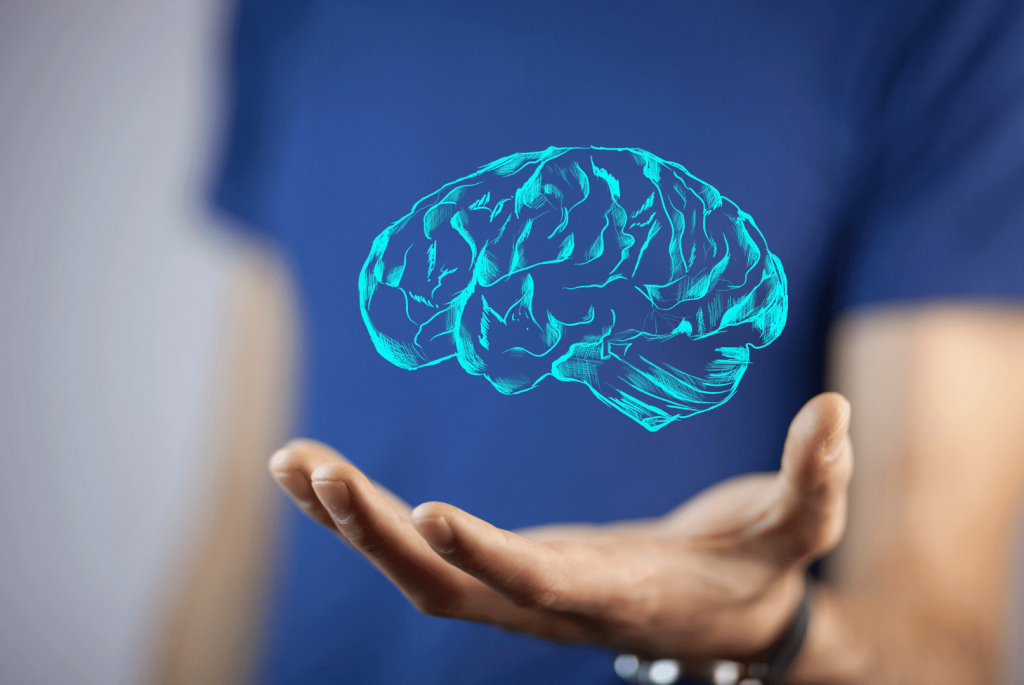
    open hand with a brain drawing

    Improves acetylcholine

    Acetylcholine is one of your most important neurotransmitters for cognitive functions, memory, and brain health.

    Furthermore, lion’s mane enhances acetylcholine concentrations in blood and hypothalamus in mice. The mushroom polysaccharides work by increasing enzymes that produce acetylcholine. This mechanism is different from many other cholinergic nootropics which work by inhibiting the enzyme that breaks down acetylcholine. Therefore, lion’s mane combined with other cholinergics may have additive effects on brain acetylcholine levels.

    Also, by enhancing nerve growth factor, lion’s mane preserves and stimulates the growth of the basal forebrain’s cholinergic neurons.

    Protects and supports the growth of hippocampal neurons

    The hippocampus is your brain’s memory center. It tends to shrink in adults with mood issues. Animal studies suggest that lion’s mane may help with mood by enhancing neurogenesis in the hippocampus.

    A study involving male mice focused on the effect of lion’s mane on mood. One group received a lion’s mane dosage, 20 or 60mg/kg body weight, once a day for four weeks, while the other group received saline of the same amount and duration. They found that a lion’s mane enhanced the formation of new neurons and synapses within the hippocampus. Behavioral tests also showed that the lion’s mane group moved and explored more, and had better mood and motivation amidst stress. 

    Supports healthy neurotransmitter and inflammation balance

    Day to day stress can throw off neurotransmitters and increase inflammation in the brain. These can reduce cognitive function, energy levels, motivation, focus, and mood.

    In mice, ethanolic extract of lion’s mane high in erinacine A seems to support mood and cognitive functions through neurotransmitter and inflammation balance.

    Mice received 100, 200, or 400 mg/kg body weight of the extract once a day for 4 weeks. Two weeks into the study, they received restraint stress for 2 weeks. The control group was not exposed to these protocols, nor lion’s mane. 

    Stressed mice typically move less in water and when held from the tail, while exploring more in elevated plus maze tests. Along with these behaviors, their dopamine, serotonin, and norepinephrine levels drop as their inflammatory cytokines like tumor necrosis factor (TNF-alpha) and interleukin-6 (IL-6) increase. 

    Animals that received the mushroom had increased levels of dopamine, serotonin, and norepinephrine, as well as decreased TNF-alpha and IL-6. They also had increased brain-derived neurotrophic factor levels. These results were especially significant in groups that received 200 and 400 mg/kg body weight. 

    These results suggest that lion’s mane may support mood by promoting neurotransmitter and inflammation balance. 

    Stimulates neurotrophins  

    Neurotrophins are proteins that support the survival, growth, and function of neurons. There are many of these, but two of the most important ones are brain-derived neurotrophic factor (BDNF) and nerve growth factor (NGF). BDNF is important for learning, memory, mood, and deep sleep. NGF supports sympathetic, sensory, and cholinergic neurons in the forebrain. 

    Cell-based studies show that lion’s mane constituents increase NGF and BDNF production. 

    In a placebo-controlled study involving 30 menopausal women, lion’s mane effectively boosted mood, reduced irritability, sleep, and wellbeing. The authors speculated that the lion’s mane helped by boosting nerve growth factor.

    In a study in overweight/obese patients, 77 volunteers received lion’s mane. The lion’s mane extract didn’t significantly boost their blood BDNF, but it did boost their precursor to BDNF levels in the blood. The subjects also had improved mood, calmness, and sleep.

    Support neuronal repair and regeneration

    Day-to-day stress and elements can create minor damages to the nervous system. Lion’s mane supports the repair of neurons and other cells in the nervous system. 

    Having in mind the detrimental effects of nervous system injuries, neural re-connections are of huge importance. A study using dissociated chick embryo cells from the brain and spinal cord investigated the importance of lion’s mane for neurite outgrowth. 50µg/ml lion’s mane extract caused increased neurite outgrowth in the brain (by 20.47%) and in the special cord (by 22.47%).

    Another in vitro study aimed to investigate how lion’s mane affects myelination, the process which makes insulating myelin sheaths to surround the axon. The lion’s mane extract promoted faster myelination, which started earlier than in the control cells. 

    A rat study focused on lion’s mane polysaccharides. Rat cells received doses of either lion’s mane extract, or nerve growth factor and brain-derived nerve factor. The results showed enhanced growth of adrenal nerve cells and neurite outgrowth, which was even higher than by nerve growth factor or brain-derived nerve factor.

    Improves sleep 

    man sleeping in bed

    Lion’s mane can uniquely help with sleep. It’s not a sedative but it improves sleep quality through supporting brain balance.

    A study involved 77 overweight individuals who experienced mood or sleep problems. Participants received oral lion’s mane supplement for 8 weeks, which resulted in a reduction of mood and sleep issues. They also had increased pro-BDNF levels.

    One study included 8 female students who took 6 lion’s mane tablets a day, over a 4 week period. Based on a self-administered survey, lion’s mane supplementation improved their sleep quality and the general feeling of wellbeing.

    Other health benefits of lion’s mane

    Animal and cell-based studies have demonstrated many benefits of lion’s mane, although clinical evidence is still missing for a lot of them. Please note that we include this information for educational purposes only. We’re not suggesting that lion’s mane can treat any conditions. It’s not approved to treat or diagnose any conditions. Please see your doctor for appropriate diagnosis and treatment. 

    Inhibits bacterial growth

    Hericium erinaceus is also an effective agent against bacteria. It works against gram-positive and gram-negative bacteria.

    It successfully kills Helicobacter pylori and Staphylococcus aureus Thus, the lion’s mane is a great antibacterial agent. 

    Nourishes and protects the digestive tract

    Lion’s mane protects and strengthens your digestive tract. First off, lion’s mane nourishes and protects your spleen and liver.

    Furthermore, lion’s mane strengthens the stomach barrier protection against acid.

    Promotes heart health

    Lion’s mane can also be beneficial for your heart and cardiovascular system. 

    Lion’s mane can thin the blood. Hericenone B, found in lion’s mane ethanol extract, inhibits collagen-induced platelet aggregation. However, it did not inhibit any other platelet aggregation pathway, like thrombin. Extensive research on rabbit and human platelets supports this.

    Oxidized low-density lipoprotein (LDL cholesterol) is very bad for cardiovascular health because it’s more likely to harden the arteries. A study showed that a hexane extract of lion’s mane inhibits the oxidation of LDL cholesterol. This is one of the ways that lion’s mane can help your cardiovascular health. 

    A high-fat diet is a risk factor for the development of many cardiovascular diseases in mice, which is equivalent to a human junk food diet. A mice study aimed to investigate the role of lion’s mane in fat metabolism. Mice ate a high-fat diet for 28 days. One group received a daily dose of lion’s mane, while the control group received the high-fat diet only. The group that had lion’s mane incorporated into their diet had 27% lower triglyceride levels and 42% less weight gain than the control group. Thus, lion’s mane promotes fat metabolism and healthy blood lipids, and somewhat protects your cardiovascular system from poor diet.

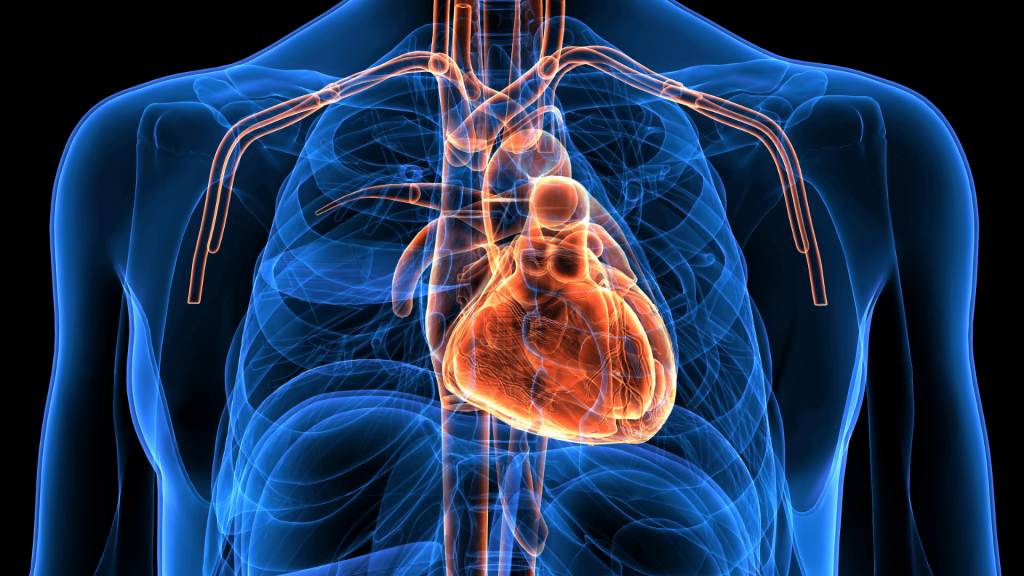
    human heart diagram

    Improves cellular antioxidant defense

    Oxidative stress is essential in many situations, but too much of it can be bad. For example, it can cause fatigue, interfere with cognitive function, and contribute to many diseases.

    Lion’s mane activates cellular pathways that counteract oxidative stress. In a mice study, lion’s mane extract adjusted the synthesis and processing of nitric oxide, superoxide dismutase, and malondialdehyde within serum.

    In another study, scientists investigated the antioxidant properties of multiple mushroom species, including lion’s mane. The antioxidant index described antioxidant potentials. Lion’s mane is among the top three species with strongest antioxidant capabilities, having an antioxidant index of 17.7%. 

    One more mice study dealt with lion’s mane effect on hippocampal neurons treated with hydrogen peroxide. The hot water extract of Hericium erinaceus significantly increased the activity of antioxidant enzymes and viability of neurons treated with hydrogen peroxide, as well as decreased the amount of reactive oxygen species. 

    Boosts your immunity

    Our immunity is the primary shield against different bacteria and viruses. Lion’s mane might have a beneficial effect even on your immune system.

    One mice study researched the immunomodulatory effects of lion’s mane. This mushroom improved both cell-mediated and humoral immunity, meaning killer cells and antibody efficacy. These properties are likely related to the lion’s mane ability to regulate gut mucosal immune barrier.

    Apart from the adaptive immunity covered by the previous study, lion’s mane also enhances innate immunity. Mice injected with Salmonella species had 4 times longer lifespan if they also received lion’s mane extracts. This increased resistance to bacterial infections comes from stronger immune activation.

    Promotes a balanced inflammatory response

    Lion’s mane, like many other medicinal mushrooms, support both immune system readiness and balance. It often helps balance excess inflammation from the modern diet and lifestyle and aging. 

    Obesity and unhealthy metabolism can contribute to chronic inflammation. Lion’s mane counteracts excess inflammation from macrophages in fat tissues.

    In a mouse model of gut inflammation, 200 and 500 mg of lion’s mane extract mitigates the inflammation and protects the gut barrier. As a result, the animals had less digestive symptoms.

    Similar results are visible within microglia, where lion’s mane extracts have anti-inflammatory activity and reduce neurotoxicity in the brain.

    Support healthy blood sugar control

    Several animal studies show that lion’s mane can improve blood sugar control. It inhibits α-glucosidase, an enzyme that breaks carbohydrates down, slowing down carbohydrate absorption. Also, lion’s mane may also help with blood sugar by balancing inflammation, counteracting oxidative stress, and supporting other aspects of heart health.

    A study included rats with diabetes, who received 100 or 200mg/kg body weight of H. erinaceus extract for 28 days. The results showed that lion’s mane decreases blood glucose level and increases serum insulin levels.

    However, clinical studies regarding this benefit of lion’s mane are lacking, so it’s unclear whether lion’s mane can reliably improve blood sugar in humans.

    Lion’s mane side effects 

    Lion’s mane is generally recognized as safe. However, be aware of contraindications and the following side effects. 

    Allergies

    If you have mushroom or fungi allergies, you should definitely avoid consuming lion’s mane. 

    A 63-year-old man sought hospital care 4 months after consuming lion’s mane, where he got severe acute respiratory failure diagnosis. He also had very high levels of lymphocytes, which might indicate an allergic reactions.

    Beware of your allergies before consuming lion’s mane. 

    Slow blood clotting

    Some people benefit from the blood thinning effects of lion’s mane. However, this means it can interact with blood thinner medications. If you naturally have slow coagulation or hemophilia, you should avoid lion’s mane. Also, stop taking lion’s mane at least two weeks before a scheduled surgery. 

    Too much lion’s mane

    Consuming too much lion’s mane can cause stomach issues. 

    Conclusion

    Lion’s mane is a powerful medicinal mushroom with many brain and body benefits. Check out Collagenius, our potent Lion’s mane and collagen blend. 

    References

    1. Spelman K, Sutherland E, Bagade A. Neurological Activity of Lion’s Mane (Hericium erinaceus). J Restor Med. 2017;6(1):19-26. doi:10.14200/jrm.2017.6.0108
    2. Lai PL, Naidu M, Sabaratnam V, et al. Neurotrophic properties of the Lion’s mane medicinal mushroom, Hericium erinaceus (Higher Basidiomycetes) from Malaysia. Int J Med Mushrooms. 2013;15(6):539-554. doi:10.1615/intjmedmushr.v15.i6.30
    3. Ryu SH, Hong SM, Khan Z, et al. Neurotrophic isoindolinones from the fruiting bodies of Hericium erinaceus. Bioorg Med Chem Lett. 2021;31(127714):127714. doi:10.1016/j.bmcl.2020.127714
    4. Ghosh S, Nandi S, Banerjee A, Sarkar S, Chakraborty N, Acharya K. Prospecting medicinal properties of Lion’s mane mushroom. J Food Biochem. 2021;45(8):e13833. doi:10.1111/jfbc.13833
    5. Miquel S, Champ C, Day J, et al. Poor cognitive ageing: Vulnerabilities, mechanisms and the impact of nutritional interventions. Ageing Res Rev. 2018;42:40-55. doi:10.1016/j.arr.2017.12.004
    6. Mori K, Inatomi S, Ouchi K, Azumi Y, Tuchida T. Improving effects of the mushroom Yamabushitake (Hericium erinaceus) on mild cognitive impairment: a double-blind placebo-controlled clinical trial. Phytother Res. 2009;23(3):367-372. doi:10.1002/ptr.2634
    7. Li IC, Lee LY, Tzeng TT, et al. Neurohealth properties ofHericium erinaceusMycelia enriched with erinacines. Behav Neurol. 2018;2018:1-10. doi:10.1155/2018/5802634
    8. Cheng JH, Tsai CL, Lien YY, Lee MS, Sheu SC. High molecular weight of polysaccharides from Hericium erinaceus against amyloid beta-induced neurotoxicity. BMC Complement Altern Med. 2016;16(1):170. doi:10.1186/s12906-016-1154-5
    9. Mori K, Obara Y, Moriya T, Inatomi S, Nakahata N. Effects of Hericium erinaceus on amyloid β(25-35) peptide-induced learning and memory deficits in mice. Biomed Res. 2011;32(1):67-72. doi:10.2220/biomedres.32.67
    10. Ryu S, Kim HG, Kim JY, Kim SY, Cho KO. Hericium erinaceus extract reduces anxiety and depressive behaviors by promoting hippocampal neurogenesis in the adult mouse brain. J Med Food. 2018;21(2):174-180. doi:10.1089/jmf.2017.4006
    11. Nagano M, Shimizu K, Kondo R, et al. Reduction of depression and anxiety by 4 weeks Hericium erinaceus intake. Biomed Res. 2010;31(4):231-237. doi:10.2220/biomedres.31.231
    12. Vigna L, Morelli F, Agnelli GM, et al. Hericium erinaceus improves mood and sleep disorders in patients affected by overweight or obesity: Could circulating pro-BDNF and BDNF be potential biomarkers? Evid Based Complement Alternat Med. 2019;2019:7861297. doi:10.1155/2019/7861297
    13. Samberkar S, Gandhi S, Naidu M, Wong KH, Raman J, Sabaratnam V. Lion’s mane, Hericium erinaceus and tiger milk, Lignosus rhinocerotis (higher basidiomycetes) medicinal mushrooms stimulate neurite outgrowth in dissociated cells of brain, spinal cord, and retina: An in vitro study. Int J Med Mushrooms. 2015;17(11):1047-1054. doi:10.1615/intjmedmushrooms.v17.i11.40
    14. Kolotushkina EV, Moldavan MG, Voronin KY, Skibo GG. The influence of Hericium erinaceus extract on myelination process in vitro. Fiziol Zh. 2003;49(1):38-45. Accessed September 16, 2022. https://pubmed.ncbi.nlm.nih.gov/12675022/
    15. Shang X, Tan Q, Liu R, Yu K, Li P, Zhao GP. In vitro anti-Helicobacter pylori effects of medicinal mushroom extracts, with special emphasis on the Lion’s Mane mushroom, Hericium erinaceus (higher Basidiomycetes). Int J Med Mushrooms. 2013;15(2):165-174. doi:10.1615/intjmedmushr.v15.i2.50
    16. Wang M, Konishi T, Gao Y, Xu D, Gao Q. Anti-gastric ulcer activity of polysaccharide fraction isolated from mycelium culture of lion’s mane medicinal mushroom, Hericium erinaceus (higher basidiomycetes). Int J Med Mushrooms. 2015;17(11):1055-1060. doi:10.1615/intjmedmushrooms.v17.i11.50
    17. Mori K, Kikuchi H, Obara Y, et al. Inhibitory effect of hericenone B from Hericium erinaceus on collagen-induced platelet aggregation. Phytomedicine. 2010;17(14):1082-1085. doi:10.1016/j.phymed.2010.05.004
    18. Hiwatashi K, Kosaka Y, Suzuki N, et al. Yamabushitake mushroom (Hericium erinaceus) improved lipid metabolism in mice fed a high-fat diet. Biosci Biotechnol Biochem. 2010;74(7):1447-1451. doi:10.1271/bbb.100130
    19. Qin M, Geng Y, Lu Z, et al. Anti-inflammatory effects of ethanol extract of lion’s mane medicinal mushroom, Hericium erinaceus (Agaricomycetes), in mice with ulcerative colitis. Int J Med Mushrooms. 2016;18(3):227-234. doi:10.1615/IntJMedMushrooms.v18.i3.50
    20. Abdullah N, Ismail SM, Aminudin N, Shuib AS, Lau BF. Evaluation of selected culinary-medicinal mushrooms for antioxidant and ACE inhibitory activities. Evid Based Complement Alternat Med. 2012;2012:464238. doi:10.1155/2012/464238
    21. Sheng X, Yan J, Meng Y, et al. Immunomodulatory effects of Hericium erinaceus derived polysaccharides are mediated by intestinal immunology. Food Funct. 2017;8(3):1020-1027. doi:10.1039/c7fo00071e
    22. Wu T, Xu B. Antidiabetic and antioxidant activities of eight medicinal mushroom species from China. Int J Med Mushrooms. 2015;17(2):129-140. doi:10.1615/intjmedmushrooms.v17.i2.40
    23. Liang B, Guo Z, Xie F, Zhao A. Antihyperglycemic and antihyperlipidemic activities of aqueous extract of Hericium erinaceus in experimental diabetic rats. BMC Complement Altern Med. 2013;13(1):253. doi:10.1186/1472-6882-13-253
    24. Nakatsugawa M, Takahashi H, Takezawa C, et al. Hericium erinaceum (yamabushitake) extract-induced acute respiratory distress syndrome monitored by serum surfactant proteins. Intern Med. 2003;42(12):1219-1222. doi:10.2169/internalmedicine.42.1219
  • Aquaspark And Other Layered Natural Stimulants In Nootopia

    Aquaspark And Other Layered Natural Stimulants In Nootopia

    AquasparkTM is one of the formulas we use in products like GABAlicious to help improve mental focus, energy levels, and performance. 

    By layering stimulants with several key “brain ingredients” and central nervous system modulators, we’ve engineered Aquaspark to help you be at your best when it counts. Also, our custom stimulant blends are designed to help you stay at peak performance and alertness all day without the jitters or crashes.

    Why Is Stimulant Or Energy-Boosting Activity Important In Nootropics?

    Before we dive into the tremendous benefits of Aquaspark, let’s first take a second to review why nootropics can have stimulating activity on the brain, and why stimulants make up a key part of world-class nootropic stacks. 

    Note: here we’re talking about natural stimulants and brain boosters, not Adderall, Modafinil, or other prescription drugs. 

    Boosts Overall Neurologic Activity

    Stimulants, when used in a safe and sustainable way, can improve overall mood and energy levels. One of the most well-known stimulants is caffeine, guzzled down by the mega-gallon in the form of coffee by people worldwide. Substances like caffeine boost neurological activity by stimulating the central nervous system and influencing other physiological parameters. 

    Reduces Brain Fog

    Some emerging evidence indicates that nootropics may also reduce brain fog and improve cognitive function. In a placebo-controlled trial, 26 healthy adults between the ages of 20-35 were assigned to take 10 g of either a multi-ingredient nootropic or maltodextrin as a placebo. This nootropic blend, known as EvoGamers, was designed specifically for gamers. The ingredients included:

    • Caffeine
    • L-tyrosine
    • L-theanine
    • Acetylcholine precursors, including CDP choline and alpha-GPC
    • Acetyl L-carnitine
    • Huperzine A
    • Vitamins

    Researchers then performed a variety of cognitive tests on the participants 30 minutes after they ingested the nootropics or placebo. The participants also had their heart rate and heart rate variability measured. Participants that took a nootropic blend performed better on a range of cognitive tests than the placebo group. Additionally, the group that took the nootropic supplement demonstrated higher levels of creativity and positive emotions. 

    portrait of a beautiful young woman thinking

    Boosts Mitochondrial Function And Reduces Oxidative Stress

    Stimulants can also enhance mitochondrial function, though the process by which this happens needs further exploration. One theory of how stimulants like caffeine can boost mitochondria is by promoting mitochondrial energy production. Other mechanisms include the reduction of oxidative stress, which left unchecked can damage mitochondria and other parts of the cell. 

    Stimulates Orexins 

    Orexins are neurotransmitters that promote wakefulness. Stimulants promote their transport to binding sites in the brain or upregulate their functions in other ways. Once bound in place, these orexins keep you awake, whereas blocking the receptors for orexin initiates biochemical processes necessary for sleep. Stimulants like caffeine may play a role in helping orexins perform their jobs better. 

    What’s The Problem With Caffeine?

    Caffeine has several health benefits, but it also has its fair share of drawbacks. While caffeine is a very efficient neural activity stimulant, its effect does not always have the desired duration. Moreover, caffeine’s aggressive stimulant activity can actually stress the body and interfere with sleep. 

    Short Or Problematic Pharmacokinetics

    One of the primary disadvantages of caffeine is its short pharmacokinetic action within the body. Caffeine absorbs into the body very quickly, with 99% of caffeine completely absorbed by the body within 45 minutes of ingestion. 

    After absorption, caffeine has a 2.5-4.5 hour half-life depending on the individual, meaning it’s only keeping you energized for a few hours max. However, the residual amounts of caffeine in your system can still keep you from falling asleep 9 – 12 hours after you drink your last cup. Even if you do fall asleep, it could interfere with your sleep quality.

    Tolerance And More Fatigue From Adenosine Receptor Upregulation

    Moreover, coffee lovers and people who frequently consume caffeine can build a tolerance to it, to where it no longer has the same stimulating effects. Part of this happens due to the upregulation of adenosine receptors. 

    Adenosine receptors help modulate various neurological and immunological functions within your body. Your brain’s endogenous adenosine causes feelings of drowsiness when bound to these receptors. Caffeine weakly blocks adenosine receptors, causing the sensation of enhanced energy and cognitive focus. Subsequently, continued exposure to caffeine will signal the cells to increase adenosine receptors, making you more tired in the long run. 

    Over time, drinking a single cup of coffee or energy drink cannot cover as many adenosine receptors as are available. Because of this, prolific caffeine users will often find they have to increase their caffeine intake over time or they feel fatigued. But on the flip side, prolonged exposure to high doses of caffeine leads to other side effects. 

    In other words, relying on caffeine to stay awake and functional is like taking a payday loan on your body. It temporarily blocks your ability to feel fatigue without addressing the root cause of the fatigue. This and increased adenosine receptors make you more tired in the long run. You’ll also need more caffeine to feel the same energy level. Most importantly, it keeps you from getting the most restful sleep you need to feel energized.

    a tablespoon of ground coffee

    Stresses The Body By Taxing The HPA Axis

    One of these side effects is the stress that caffeine causes on the hypothalamic pituitary adrenal  (HPA) axis. The HPA axis controls the stress response of the body.  

    When caffeine enters the body, it galvanizes the different organ systems into action, including the HPA axis and therefore the stress response. Consistently elevated or even moderate doses of caffeine continually stimulate the HPA axis to produce stress hormones like ACTH and cortisol. This can be beneficial because stimulating the HPA axis can help with stress modulation. 

    Nevertheless, overstimulation of the HPA axis can lead to chronic stress, feelings of anxiety, difficulty sleeping, and a host of other symptoms. Resultantly, taking only caffeine to get through the day can cause long-term issues and ultimately more fatigue.

    Interfere With Sleep, Especially With People With Weak CYP1A2

    The stimulant activity of caffeine can severely affect sleep if taken too close to bedtime, and some people experience this effect much more intensely. The gene primarily responsible for metabolizing caffeine is called CYP1A2. People who have weaker CYP1A2 activity cannot metabolize caffeine that well, resulting in them experiencing insomnia and other symptoms. 

    Slow vs. Fast Caffeine Metabolizers 

    As already shown, caffeine tends to metabolize very quickly, and some people metabolize caffeine faster than others. This metabolism variability has a lot to do with the CYP1A2 gene. 

    People with strong CYP1A2 expression, and mutations that enhance that expression, tend to get more benefits from consuming coffee. These may include cognitive enhancement without the jitters and the antioxidant benefits from coffee. On the other hand, “slow” caffeine metabolizers tend to have slow caffeine breakdown catalyzed by CYP1A2. 

    One clinical study tested the rate of caffeine metabolism in different people with varying CYP1A2 levels of expression. Researchers found that caffeine enhanced exercise performance in “fast” metabolizers vs. slow metabolizers. 

    47.5% of the population are considered “fast metabolizers with strong CYP1A2 expression. About 11.5% comprise the “slow metabolizers,” with another 41% falling into the “medium” metabolizers category. 

    Is Caffeine A Nootropic And What Neurotransmitters Does It Increase?

    While caffeine works well as a stimulant, many do not consider it a true nootropic. This is because caffeine can increase blood pressure. A true nootropic does not affect blood pressure. 

    Despite its murky status as a nootropic, caffeine’s powerful stimulant activity can allow it to work synergistically with many other nootropics and neurotransmitter building blocks. Caffeine on its own increases catecholamines, acetylcholine, glutamine, and serotonin. It also decreases the availability of GABA and glycine, which are your calming neurotransmitters. 

    a scoop of caffeine anhydrous

    How Nootopia Overcomes The Pitfalls Of Caffeine

    Caffeine possesses stimulant effects that can boost exercise performance and cognitive functions. But it also has side effects, such as interfering with sleep and stress response. So, instead of caffeine, we layer different types of stimulants with various pharmacokinetics so you can get steady cognitive and energy boosts without the same side effects.

    For example, Aquaspark contains a very small amount of caffeine along with other stimulants with differing pharmacokinetics. We also include other neuromodulating compounds and brain boosters. Let’s take a deep dive into all the key players of Aquaspark:

    Acetyl-L-tyrosine

    As a key component of the broad spectrum Aquaspark formula, acetyl-L-tyrosine provides one of the essential building blocks for unlocking full brain potential. The production of energizing neurotransmitters such as dopamine and norepinephrine requires the amino acid tyrosine. Acetyl-L-tyrosine is a more bioavailable form of tyrosine that can easily cross the blood-brain barrier to provide a backbone for your energizing neurotransmitters. 

    Theanine

    In any holistic stimulant formula such as Aquaspark, modulating and calming compounds can play a key role in ensuring a sustained response to stimulants. This prevents spikes and drops in attention and performance. L-theanine, a substance found in green tea, exists as one such modulator. 

    Theanine modulates stress and promotes calmness by increasing alpha wave production.  Alpha waves are present during the resting yet awake state of the brain, and they play an important role in day-to-day brain activity. L-theanine also improves concentration by enhancing the alpha-attention effect, where elevated alpha wave activity boosts concentration. 

    One clinical study with 16 experimental and 19 control participants measured EEG activity after the experimental participants consumed a tea-like solution high in L-theanine. Participants who took the L-theanine had much greater alpha wave activity than the control group. Conclusively, the participants who took L-theanine found it easier to enter a resting state.

    Many nootropic users have found great benefits for combining theanine with caffeine, as Mother Nature puts them together in green tea. Theanine buffers the jitters from caffeine and improves caffeine clearance, while simultaneously producing some synergistic cognitive benefits. Theanine also counteracts the brain blood flow restriction by caffeine.

    Guarana

    Guarana is another effective stimulant that works synergistically with caffeine. Energy drink manufacturers often combine caffeine with guarana for better stimulant activity. 

    Aside from caffeine, guarana also contains theobromine and theophylline, which have different half lives than caffeine [R30]. Theobromine has a 2-3 hour half life, whereas theophylline has up to an 8-hour half life. Therefore, guarana and caffeine together work synergistically for longer than caffeine alone.

    Along with its stimulant properties, guarana possesses many other health benefits. In South America where it originates, locals often use it as a medicinal plant. Furthermore, researchers have found guarana to have significant antioxidant and antimicrobial properties. 

    Schizandrol-A

    Isolated from the plant Schisandra, schizandrol-A functions as a central nervous system inhibitor, specifically by inhibiting monoamine oxidases (MAOs). MAOs are enzymes that break down neurotransmitters like dopamine and serotonin, and inhibiting them leads to higher levels of dopamine and serotonin in the brain. These neurotransmitters are known as some of the brain’s “happy chemicals,” and can improve mood and cognitive function. 

    a woman sitting with a  glass of powersolution nootropic

    Capsaicin

    While not in Aquaspark specifically, capsaicin is another powerful stimulant found in our other Nootopia formulas like Noospark, often used in combination with Aquaspark. Capsaicin has selective stimulant activity upon afferent neurons is believed to enhance energy balance. It also has cardioprotective, anti-inflammatory, and digestive benefiting properties. 

    Bringing It All Together: Layering Caffeine With Brain-Supporting Compounds

    The Aquaspark formula contains two kinds of high-quality caffeine, including coffee bean caffeine which contains high levels of antioxidants. The second source of caffeine in Aquaspark, caffeine anhydrous, provides a rapidly absorbable source of caffeine for an instant energy boost. 

    But taking only these sources of caffeine does not deliver the long term energy boost your body needs to get you to the next level. That’s why we’ve layered these powerful stimulants with all the ingredients mentioned above to create a sustainable source of cellular energy that will enhance your performance and health. 

    How It All Comes Together In Aquaspark: Best Stimulants For Sustained Energy And Brain Function

    We engineered Aquaspark so that different components work synergistically together and counteract potential side effects. We also took into account the fact that the brain in high gear burns through neurotransmitters faster and generates more oxidative stress. So, here’s how everything comes together.

    • Guarana contains some caffeine, along with theobromine and theophylline, which have different half lives than caffeine. This allows aquaspark to improve wakefulness for longer than caffeine alone.
    • At the same time, theanine buffers the jitters from caffeine and improves caffeine clearance, while producing some synergistic cognitive benefits. Theanine also counteracts the brain blood flow restriction by caffeine. 
    • Neurotransmitter support: Acetyl-L-tyrosine provides building blocks for dopamine and other catecholamines necessary for energy, while schizandrol boosts dopamine and huperzine-A boosts acetylcholine by moderating the acetylcholinesterase enzyme.
    • Plant antioxidants from guarana and coffee bean extract help counteract oxidative stress that may occur as you put your brain on high gear. They also protect the mitochondria, the cell’s energy source, which are critical for your brain to work clearly and improve connectivity between all areas of brain function.

    Other Steps Nootopia Takes To Provide The Best Stimulants

    We want Nootopians to get the best possible results out of their products. That’s why we go the extra mile to ensure that the stimulants you are getting are truly effective. Some of the ways we have optimized Aquaspark include: 

    Educating Users

    To help Nootopians learn the absolute best routines for taking any products containing Aquaspark or other stimulants, we inform our users about caffeine tolerance. To circumvent caffeine tolerance, we recommend weekly cycling off of stimulants, so that you can let your receptors rest and avoid caffeine withdrawal.

    As world-class formulators and top performers, we know that no nootropics can truly overcome sleep deprivation and unhealthy lifestyles. Therefore, we also advocate for getting the best sleep you can get to maximize the benefits you get from nootropics.

    university lecture

    Innovative Delivery Methods

    We package our high-quality stimulants in the most absorbable delivery methods. These include stimulants in forms like sippable liquid, double-layered capsules, and micronized deliveries. We want to make sure that your body absorbs the highest amount of stimulants and other essential active ingredients as possible. 

    Providing Building Blocks/Raw Materials For The Brain To Be Awake

    When your brain is in the highest gear, it needs more building blocks. So, we include components like B vitamins and amino acids such as Acetyl-L-tyrosine in the stack along with the stimulants. This creates a formula that doesn’t just stimulate the brain, but also nourishes it to function at its best without the subsequent crash. 

    Formulas like Aquaspark literally provide the essential building blocks the brain needs to create neurotransmitters and other compounds in order to support wakefulness and attention. 

    Personalization 

    Finally, as with all our formulas, the ultimate goal is to help you achieve your personal God mode. We use a detailed questionnaire to get to know you and your brain before formulating your first stack. Then, each month, we take into account your feedback and hone your personal subscription box until we have a truly excellent formula you need for whatever life throws at you. 
    Become a Nootopian today and add GABAlicious to your monthly order. If it doesn’t work for you, we have a 365-day money-back guarantee.

    References:

  • What are Nootopia Omnipepts?

    What are Nootopia Omnipepts?

    Omnipept-N 

    Omnipept-N is a custom amino acid blend targeting GABA and dopamine, micronized with a uridine monophosphate base. 

    Uridine monophosphate is a naturally occuring building block of RNA. It’s an important element of your brain cells. Uridine monophosphate, or UMP, readily crosses the blood-brain barrier and can help increase choline in the brain, synergizing with many nootropic extracts and compounds. It supports the creation of new synapses, dopamine production, and phospholipid production. By doing so, UMP promotes a clear mind, motivation, mental flexibility, and enhanced learning and memory. 

    Together, the Omnipept-N blend with uridine monophosphate create a specialized nootropic blend that boosts memory, focus, motivation, and learning speed without overstimulation. 

    Abstract pink atomic or molecular structure on blue background.

    Omnipept-N2: Acetyl-n-tyrosine micronized with a custom amino acid blend targeting acetylcholine and serotonin.

    By boosting acetylcholine, serotonin, and catecholamines, Omnipept-N2 promotes good mood, memory, drive and verbal fluency. Omnipept-N2 is a component of the inner capsule of Brain Flow, Focused Savagery, and Upbeat.

    Omnipept-O

    Ominipept-O comprises of triacetyluridine micronized with very low doses a custom amino acid blend that modulates acetylcholine and glutamate functions through AMPA receptors.

    Triacetyluridine is a form of uridine that is better absorbed into the blood and brain than uridine. It boosts and stabilizes mood and promotes a sense of wellbeing. It also protects neurons from day to day exposures and excess glutamate. Last but not least, it possesses all the benefits of uridine and uridine monophosphate. 

    Together, the Omnipept-O and triacetyluridine support cholinergic-based brain function. It also supports verbal fluency and cognitive and connectivity aspects behind healthy socializing. We include Omnipept-O in Apex, GABAlicious, Mental Reboot AM, Nectar X, Power Solution, and Zamner Juice.

    Omnipept-1

    Omnipept-1 is a custom amino acid blend targeting acetylcholine, dopamine, and norepinephrine neurotransmission, micronized with pyroglutamic acid, glycine, theanine, and aspartic acid. 

    At the same time, it boosts blood flow to the brain and makes all the other nootropic extracts and compounds work more effectively.

    Pyroglutamic acid is a naturally occurring amino acid in the human body, derived from glutamine. It enhances cognitive function by increasing acetylcholine, GABA, and glycine levels. As a result, it has a net relaxation and flow state-promoting effect. 

    Together, the Omnipept-1 blend and other ingredients work together to promote focus and flow-state in Brain Flow and Power Solution.

    man playing online computer video game,Gamer lifestyle, E-Sport online gaming

    Omnipept-A

    Omnipept-A is a custom amino acid blend targeting dopamine (phenylalanine and acetyl-L-tyrosine) and serotonin, combined with calcium citrate. 

    Omnipept-A helps maintain glutamate sensitivity of your AMPA receptors, boosting focus, and concentration. By boosting brain energy (ATP and Dopamine), it also increases acetylcholine and thus improves focus, clarity, and memory.

    By boosting dopamine and serotonin function, these ingredients in Omnipept-A work together to promote a calm and relaxed good mood. It also helps with verbal fluency, emotional intelligence, and socialization. Omnipept-A is a component of Focused Savagery, GABAlicious, Upbeat, and Zamner Juice.

    Omnipept-P

    Omnipept-P includes CDP-choline micronized with a proprietary amino acid blend targeting dopamine, GABA, and noradrenaline. It’s a component of Focused Savagery.

    By increasing acetylcholine in the brain and hippocampus, Omnipept-P improves memory and understanding of complex concepts. At the same time, the right level of dopamine and noradrenaline helps with laser-like focus and vigilance. Omnipept-P also uniquely supports mood, motivation and drive without jitters or overstimulation. Lastly, by boosting blood flow in the brain, it helps improve the performance and duration of all supporting nootropics.
    Now that you understand how Omnipepts are, check out our nootropics here.

    References:

  • How to increase BDNF Naturally

    How to increase BDNF Naturally

    The good news is that you can stimulate BDNF production and boost your brain’s BDNF levels naturally. In this article, we’ll share with you how to increase your BDNF levels naturally.

    19 Ways to Increase BDNF Naturally 

    Many ways to increase BDNF are hormeses, which are stressors that make you stronger in small and healthy doses. In response to these stressors, your brain produces BDNF to grow and adapt. In addition, you can mix and match these hormeses in order to reap even more health benefits, including greater increases in BDNF levels.

    Exercise

    Exercise increases neurogenesis and favorable brain responses that come with an increase in BDNF in both aged and young people. 

    Longer exercise sessions increase BDNF more, but even 10 minutes of intense exercise can somewhat increase BDNF and improve your cognitive function.

    However, this is not a quick fix, as BDNF can fall to pre-exercise levels in 30 – 50 minutes. Therefore, to sustainably increase BDNF, you should exercise regularly. If you wish to step it up, working out in a hot room even further increases your BDNF levels than exercising alone. 

    Shot of a man using a medicine ball during his workout in the gym

    Heat exposure

    Hyperthermic conditioning is the process of continuous exposure to high temperatures for a short time. You can get hypothermic conditioning from any type of heat exposure, including, steam saunas, dry saunas, hot baths, and infrared saunas. Any of these heat exposures can increase your BDNF. 

    Infrared saunas expose the human body to as high temperatures as 60°C for at least 15 minutes, typically increasing core body temperature by around 1°C.

    In addition, rat studies show that infrared lights on the brain show antidepressant and anti-anxiety effects partly by improving hippocampal neurogenesis and increasing BDNF levels.

    Your BDNF levels increase either by performing exercise in a hot room, enjoying your day submerged in hot water, or relaxing in infrared saunas.

    Stress management

    BDNF levels decrease in response to stress, so it is important to keep your stress levels in check. Proper nutrition and exercise aid in stress management and enhance cognitive function. 

    Intermittent fasting

    Intermittent fasting is defined as not consuming food or caloric beverages for twelve or more consecutive hours. 

    It reduces oxidative stress and inflammation, all of which connect to increased production of BDNF. It also helps with BDNF levels by improving blood sugar control.

    Ketosis

    Ketosis delivers similar anti-aging and cognitive enhancement benefits as intermittent fasting, except with more ketones to fuel the brain. Naturally, you may also enter ketosis while fasting. 

    When the body is in ketosis, ketone bodies aid in the production of BDNF.

    A ketogenic diet decreases neuronal death in the presence of inflammation and excess glutamate. Also, ketone bodies have antioxidant and anti-inflammatory properties.

    Deep sleep

    Our body goes through four sleep stages, including rapid eye movement (REM) and non-rapid eye movement (NREM). 

    Sleep is divided into five stages:

    • Wake
    • N1 (Stage 1)
    • N2 (Stage 2)
    • N3 (Stage 3) or deep sleep
    • R or REM Sleep.

    Stage 3 (N3) is the deepest stage of sleep. This is the hardest stage to wake up from. REM sleep enhances learning and memory. Lack of sleep in stages N3 and R lower BDNF levels.

    Sleep problems affect physical and mental health, and increase stress vulnerability.

    Reduction in BDNF levels is connected to poor sleep quality. Because sleep deprivation is stressful to your body, it lowers BDNF. 

    Sleep deprivation (along with chronic stress) may increase anxiety, insomnia, and depression. Thus, getting enough sleep for your brain and body is crucial for all aspects of health, including BDNF levels.

    Sleeping charming woman dreaming in her bed

    Sunlight exposure

    Our BDNF levels tend to shift with the seasons. BDNF concentrations tend to increase in the spring and summer, while decreasing in the fall and winter. In addition to boosting BDNF, the sun increases vitamin D production and improves mood. 

    Only 20 minutes of exposure to natural light is enough to increase your BDNF levels. Therefore, it is important to get some sun during the day and avoid being in enclosed and dark spaces all day. 

    Nootropic supplements that boost BDNF

    Curcumin/turmeric 

    Turmeric is a spice that originated in India and has been used for thousands of years. It has many medicinal properties due to curcumins and turmerones, which have antioxidants and inflammation-balancing properties. 

    Curcumin increases cell viability and balances inflammatory responses in the brain. Turmeric curcumin supplements increase BDNF levels and may help with mood due to these properties. 

    Fish oil/omega-3 fatty acids

    Omega-3 fatty acids are important components of neural cell membranes and myelin sheath, which are critical for healthy neuronal signals.  Fish intake or omega-3 supplementation, reduces inflammation, oxidation, and cell death. This benefits proper neuronal functioning and development.

    Omega-3 (found in fish oil) enhances cognitive functioning. By decreasing oxidative stress, omega-3 maintains neuronal function and plasticity. This action increases BDNF levels. 

    Cacao

    Cocoa contains flavonoids that can enter the brain to protect neurons and enhance cognitive function. The antioxidant and neuroprotective properties of cocoa aid in BDNF production. 

     Cocoa fruit farming production and agriculture concept.

    Coffee fruit extract (including caffeine and teacrine)

    Generally speaking, caffeine enhances cognitive function—learning, memory, attention, mood, and BDNF levels. Coffee fruit extract comes from coffee berries and contains less caffeine than the average cup of coffee. Nevertheless, coffee fruit greatly increases BDNF levels. 

    Theacrine is present in coffee and tea, along with fruits and herbs. It enhances cognitive functions. It also potently increases BDNF.

    Green tea

    Green tea contains many antioxidants with neuroprotective effects and a source of caffeine. We owe these properties of green tea thanks to the presence of polyphenol within it, particularly epigallocatechin-3-gallate (EGCG).

    Green tea, especially EGCG, effectively increases BDNF levels.

    Fruit polyphenols (resveratrol and polyphenols in blueberries)

    Resveratrol is an important polyphenol with anti-aging and anti-inflammatory properties. Resveratrol can significantly boost BDNF levels. 

    Blueberries and red wine are great sources of resveratrol. However, you may need to eat 10,000 blueberries to get enough resveratrol, so supplementation is the only way to get sufficient doses to improve your BDNF levels.

    Magnesium

    Magnesium is important for over 300 biochemical pathways in the body, including in the cardiovascular, neuromuscular, and nervous systems. In the nervous system, it is especially important for nerve transmission and neuromuscular conduction.

    Increasing brain magnesium improves memory and learning ability. Not only is magnesium mood-boosting but it also increases BDNF levels.

    L-theanine

    L-theanine is an amino acid with a calming effect found in green tea It has neuroprotective activity (antioxidant activity). L-theanine is a cognitive enhancer that boosts alertness, mood, and attention span partly by increasing BDNF levels. 

    Ginseng

    Gingsen root and tea

    Ginseng is one of the most adaptogenic herbs. Panax ginseng is the most common ginseng example. 

    Panax ginseng contains ginsenosides—abundant with anti-inflammatory and antioxidant properties. These properties contribute to neuroprotection and preservation.

    Ginsenosides improve energy levels and promote calmness amidst stress. It also plays a role in cell viability—promotes cell survival.

    Noopept

    Noopept is a small peptide-like molecule similar to piracetam. It has high cognition-enhancing and neuroprotective effects, meaning that noopept increases the survival of neurons.

    Noopept directly stimulates BDNF production in neurons.

    Synbiotics and butyrate

    Synbiotics are probiotics and prebiotics mixtures that work together to provide health benefits to the consumer. They can improve your gut flora composition better than probiotics alone. 

    Inflammation in the brain and low BDNF levels are linked to age-related cognitive impairment. Synbiotic supplementation counteracts these processes by increasing BDNF, promoting a balanced immune response in the brain, and increasing neurogenesis.

    Butyrate is a byproduct of microbial fermentation of dietary fibers. Not only does it support the gut barrier but also increases neurogenesis and BDNF levels. Therefore, it may help with cognitive impairment.

    Lithium

    Lithium is also particularly well known for its ability to increase levels of BDNF. It protects neurons and reduces cell death.

    Lithium stimulates hippocampal neurogenesis. It enhances cognitive functions and overall mental performance. Lithium has a remarkable influence on cells. Apart from protecting cells, it induces cellular repair and regeneration.

    To learn more about BDNF, check out parts 1 and 2 of our 3-part series:

    Part 1: What is BDNF and its roles in the brain

    Part 2: How to know if you have low BDNF and what could be the reasons

    References:

    1. Kwon SJ, Park J, Park SY, et al. Low-intensity treadmill exercise and/or bright light promote neurogenesis in adult rat brain. Neural Regen Res. 2013;8(10):922-929. doi:10.3969/j.issn.1673-5374.2013.10.007
    2. De la Rosa A, Solana E, Corpas R, et al. Long-term exercise training improves memory in middle-aged men and modulates peripheral levels of BDNF and Cathepsin B. Sci Rep. 2019;9(1):3337. doi:10.1038/s41598-019-40040-8
    3. Kojima D, Nakamura T, Banno M, et al. Head-out immersion in hot water increases serum BDNF in healthy males. Int J Hyperthermia. 2018;34(6):834-839. doi:10.1080/02656736.2017.1394502
    4. Glazachev OS, Zapara MA, Dudnik EN, Samartseva VG, Susta D. Repeated hyperthermia exposure increases circulating Brain Derived Neurotrophic Factor levels which is associated with improved quality of life, and reduced anxiety: A randomized controlled trial. J Therm Biol. 2020;89(102482):102482. doi:10.1016/j.jtherbio.2019.102482
    5. Tanaka Y, Akiyoshi J, Kawahara Y, et al. Infrared radiation has potential antidepressant and anxiolytic effects in animal model of depression and anxiety. Brain Stimul. 2011;4(2):71-76. doi:10.1016/j.brs.2010.04.001
    6. Murakami S, Imbe H, Morikawa Y, Kubo C, Senba E. Chronic stress, as well as acute stress, reduces BDNF mRNA expression in the rat hippocampus but less robustly. Neurosci Res. 2005;53(2):129-139. doi:10.1016/j.neures.2005.06.008
    7. Worthen M, Cash E. Stress Management. Published online 2022.
    8. Welton S, Minty R, O’Driscoll T, et al. Intermittent fasting and weight loss: Systematic review. Can Fam Physician. 2020;66(2):117-125.
    9. Anton SD, Moehl K, Donahoo WT, et al. Flipping the metabolic switch: Understanding and applying the health benefits of fasting: Flipping the metabolic switch. Obesity (Silver Spring). 2018;26(2):254-268. doi:10.1002/oby.22065
    10. Stockman MC, Thomas D, Burke J, Apovian CM. Intermittent fasting: Is the wait worth the weight? Curr Obes Rep. 2018;7(2):172-185. doi:10.1007/s13679-018-0308-9
    11. Mattson MP. Energy intake, meal frequency, and health: a neurobiological perspective. Annu Rev Nutr. 2005;25(1):237-260. doi:10.1146/annurev.nutr.25.050304.092526
    12. Masood W, Annamaraju P, Uppaluri KR. Ketogenic Diet. In: StatPearls [Internet]. StatPearls Publishing; 2022.
    13. Gasior M, Rogawski MA, Hartman AL. Neuroprotective and disease-modifying effects of the ketogenic diet. Behav Pharmacol. 2006;17(5-6):431-439. doi:10.1097/00008877-200609000-00009
    14. Patel AK, Reddy V, Araujo JF. Physiology, Sleep Stages. In: StatPearls [Internet]. StatPearls Publishing; 2022.
    15. Peever J, Fuller PM. Neuroscience: A distributed neural network controls REM sleep. Curr Biol. 2016;26(1):R34-5. doi:10.1016/j.cub.2015.11.011
    16. Giese M, Unternährer E, Hüttig H, et al. BDNF: an indicator of insomnia? Mol Psychiatry. 2014;19(2):151-152. doi:10.1038/mp.2013.10
    17. Monteiro BC, Monteiro S, Candida M, et al. Relationship between brain-Derived Neurotrofic Factor (bdnf) and sleep on depression: A critical review. Clin Pract Epidemiol Ment Health. 2017;13:213-219. doi:10.2174/1745017901713010213
    18. Rahmani M, Rahmani F, Rezaei N. The brain-derived neurotrophic factor: Missing link between sleep deprivation, insomnia, and depression. Neurochem Res. 2020;45(2):221-231. doi:10.1007/s11064-019-02914-1
    19. Molendijk ML, Haffmans JPM, Bus BAA, et al. Serum BDNF concentrations show strong seasonal variation and correlations with the amount of ambient sunlight. PLoS One. 2012;7(11):e48046. doi:10.1371/journal.pone.0048046
    20. Hewlings SJ, Kalman DS. Curcumin: A review of its effects on human health. Foods. 2017;6(10). doi:10.3390/foods6100092
    21. Robinson JG, Ijioma N, Harris W. Omega-3 fatty acids and cognitive function in women. Womens Health (Lond Engl). 2010;6(1):119-134. doi:10.2217/whe.09.75
    22. Sugasini D, Yalagala PCR, Subbaiah PV. Plasma BDNF is a more reliable biomarker than erythrocyte omega-3 index for the omega-3 fatty acid enrichment of brain. Sci Rep. 2020;10(1):10809. doi:10.1038/s41598-020-67868-9
    23. Bauer I, Hughes M, Rowsell R, et al. Omega-3 supplementation improves cognition and modifies brain activation in young adults: EFFECTS OF OMEGA-3 FATTY ACIDS ON fMRI MEASURES. Hum Psychopharmacol. 2014;29(2):133-144. doi:10.1002/hup.2379
    24. Zemdegs J, Rainer Q, Grossmann CP, et al. Anxiolytic- and antidepressant-like effects of fish oil-enriched diet in brain-derived neurotrophic factor deficient mice. Front Neurosci. 2018;12:974. doi:10.3389/fnins.2018.00974
    25. Wu A, Ying Z, Gomez-Pinilla F. Dietary omega-3 fatty acids normalize BDNF levels, reduce oxidative damage, and counteract learning disability after traumatic brain injury in rats. J Neurotrauma. 2004;21(10):1457-1467. doi:10.1089/neu.2004.21.1457
    26. Nehlig A. The neuroprotective effects of cocoa flavanol and its influence on cognitive performance: Cocoa flavanol and cognition. Br J Clin Pharmacol. 2013;75(3):716-727. doi:10.1111/j.1365-2125.2012.04378.x
    27. Lao-Peregrín C, Ballesteros JJ, Fernández M, et al. Caffeine-mediated BDNF release regulates long-term synaptic plasticity through activation of IRS2 signaling: Caffeine-induces LTP through IRS2 signaling. Addict Biol. 2017;22(6):1706-1718. doi:10.1111/adb.12433
    28. Reyes-Izquierdo T, Nemzer B, Shu C, et al. Modulatory effect of coffee fruit extract on plasma levels of brain-derived neurotrophic factor in healthy subjects. Br J Nutr. 2013;110(3):420-425. doi:10.1017/s0007114512005338
    29. Gardner R. CBD Playbook: What one company is doing while awaiting future hemp and CBD guidance. Nutritional Outlook. Published May 10, 2021. Accessed August 11, 2022.
    30. Taylor L, Mumford P, Roberts M, et al. Safety of TeaCrine®, a non-habituating, naturally-occurring purine alkaloid over eight weeks of continuous use. J Int Soc Sports Nutr. 2016;13(1):2. doi:10.1186/s12970-016-0113-3
    31. Ouyang SH, Zhai YJ, Wu YP, et al. Theacrine, a potent antidepressant purine alkaloid from a special Chinese tea, promotes adult hippocampal neurogenesis in stressed mice. J Agric Food Chem. 2021;69(25):7016-7027. doi:10.1021/acs.jafc.1c01514
    32. Wiciński M, Malinowski B, Węclewicz MM, Grześk E, Grześk G. Resveratrol increases serum BDNF concentrations and reduces vascular smooth muscle cells contractility via a NOS-3-independent mechanism. Biomed Res Int. 2017;2017:9202954. doi:10.1155/2017/9202954
    33. Slutsky I, Abumaria N, Wu LJ, et al. Enhancement of learning and memory by elevating brain magnesium. Neuron. 2010;65(2):165-177. doi:10.1016/j.neuron.2009.12.026
    34. Kirkland A, Sarlo G, Holton K. The role of magnesium in neurological disorders. Nutrients. 2018;10(6):730. doi:10.3390/nu10060730
    35. Pochwat B, Sowa-Kucma M, Kotarska K, Misztak P, Nowak G, Szewczyk B. Antidepressant-like activity of magnesium in the olfactory bulbectomy model is associated with the AMPA/BDNF pathway. Psychopharmacology (Berl). 2015;232(2):355-367. doi:10.1007/s00213-014-3671-6
    36. Lopes Sakamoto F, Metzker Pereira Ribeiro R, Amador Bueno A, Oliveira Santos H. Psychotropic effects of L-theanine and its clinical properties: From the management of anxiety and stress to a potential use in schizophrenia. Pharmacol Res. 2019;147(104395):104395. doi:10.1016/j.phrs.2019.104395
    37. Nobre AC, Rao A, Owen GN. L-theanine, a natural constituent in tea, and its effect on mental state. Asia Pac J Clin Nutr. 2008;17 Suppl 1:167-168. Accessed August 11, 2022. https://pubmed.ncbi.nlm.nih.gov/18296328/
    38. Kiefer D, Pantuso T. Panax ginseng. Am Fam Physician. 2003;68(8):1539-1542. Accessed August 11, 2022.
    39. Boonlert W, Benya-Aphikul H, Umka Welbat J, Rodsiri R. Ginseng extract G115 attenuates ethanol-induced depression in mice by increasing brain BDNF levels. Nutrients. 2017;9(9). doi:10.3390/nu9090931
    40. Wang L, Kisaalita WS. Administration of BDNF/ginsenosides combination enhanced synaptic development in human neural stem cells. J Neurosci Methods. 2011;194(2):274-282. doi:10.1016/j.jneumeth.2010.10.025
    41. Ostrovskaya RU, Vakhitova YV, Kuzmina US, et al. Neuroprotective effect of novel cognitive enhancer noopept on AD-related cellular model involves the attenuation of apoptosis and tau hyperphosphorylation. J Biomed Sci. 2014;21(1):74. doi:10.1186/s12929-014-0074-2
    42. Ostrovskaya RU, Gudasheva TA, Zaplina AP, et al. Noopept stimulates the expression of NGF and BDNF in rat hippocampus. Bull Exp Biol Med. 2008;146(3):334-337. doi:10.1007/s10517-008-0297-x
    43. Gurry T. Synbiotic approaches to human health and well-being. Microb Biotechnol. 2017;10(5):1070-1073. doi:10.1111/1751-7915.12789
    44. Heyck M, Ibarra A. Microbiota and memory: A symbiotic therapy to counter cognitive decline? Brain Circ. 2019;5(3):124-129. doi:10.4103/bc.bc_34_19
    45. Liu H, Wang J, He T, et al. Butyrate: A double-edged sword for health? Adv Nutr. 2018;9(1):21-29. doi:10.1093/advances/nmx009
    46. Barichello T, Generoso JS, Simões LR, et al. Sodium butyrate prevents memory impairment by re-establishing BDNF and GDNF expression in experimental pneumococcal meningitis. Mol Neurobiol. 2015;52(1):734-740. doi:10.1007/s12035-014-8914-3
    47. Young W. Review of lithium effects on brain and blood. Cell Transplant. 2009;18(9):951-975. doi:10.3727/096368909X471251
    48. Forester BP, Streeter CC, Berlow YA, et al. Brain lithium levels and effects on cognition and mood in geriatric bipolar disorder: a lithium-7 magnetic resonance spectroscopy study. Am J Geriatr Psychiatry. 2009;17(1):13-23. doi:10.1097/JGP.0b013e318172b3d0
  • How To Measure And Repair The Blood-Brain-Barrier

    How To Measure And Repair The Blood-Brain-Barrier

    Your blood-brain barrier (BBB) is a layer of very selective cells that allows certain molecules and nutrients from your blood to reach the brain. When the BBB is leaky, it can allow inflammatory proteins and harmful substances to pass through. As a result, a leaky brain may contribute to neurodegeneration and neuroinflammation, causing brain fog, low mood, and more. 

    Therefore, if your goal is to perform at your best cognitively, you want to optimize your BBB health. To learn more about the BBB and factors that can compromise it, check out part 1 of this article.

    In this article, part 2, we’ll cover how to measure your blood-brain barrier, along with ways to repair it.

    How To Measure Barrier Permeability

    magnifying glass examining brain's blood barrier

    Aside from symptoms of a leaky BBB, many biohackers are interested in testing or quantifying numbers that matter. The following tests allow you to screen for a leaky BBB or to determine the overall risk of increased BBB permeability:

    1.  Matrix metallopeptidase 9 (MMP9) levels– The enzyme MMP9 degrades the protective barrier. An MMP9 blood test can help determine the health of your BBB. 

    2. Homocysteine levels– High levels of this toxin can increase BBB permeability. Therefore, homocysteine levels may reflect the integrity of your BBB. 

    3. Spectroscopy– Evan’s blue dye can bind a protein (albumin) that won’t cross the BBB under healthy conditions but can cross a compromised BBB. The amount of dye that crosses your BBB can determine the level of permeability. However, since this method is somewhat invasive, you may only see it in research settings.

    How To Repair A Leaky BBB Naturally: Lifestyle Changes, Food, And Supplements

    Repairing the BBB involves both dietary and lifestyle changes that support and improve brain health. To maximize nutrient transport into the brain and restore your BBB integrity, consider some of the following supplements and steps:

    Heal Your Leaky Gut

    A leaky gut may very well lead to a leaky brain. Both your brain and intestinal barrier rely on tight junctions that provide the seal between cells. A leaky gut is similar to a leaky brain, where this seal is loosened. Intestinal permeability exposes the gut content, such as partially digested foods and bacteria parts, to the immune system. This can lead to chronic inflammation that opens up the BBB.

    Gluten is a common cause of both leaky gut and leaky brain as it can open up tight junctions by increasing a protein called zonulin, even in non-celiacs. Zonulin regulates both intestinal and BBB permeability partly by controlling the tight junctions. Increased zonulin levels are correlated with increased BBB degradation. 

    Gluten free bread

    To maintain a healthy gut barrier, you want to keep your gut healthy and support your gut flora. Gut flora growth and diversity is key for brain health and BBB integrity. 

    In mice, the lack of gut bacteria correlates with increased BBB permeability. Introducing bacteria or beneficial bacterial metabolites such as butyrate reduces their BBB permeability, supporting the link between a healthy gut and healthy brain. To support a healthy gut flora, consider supplementing with a probiotic/prebiotic duo like this one.

    Work with a naturopathic or functional medicine doctor to address your compromised intestinal barrier. To learn more about leaky gut and how to fix it, check out this leaky gut article.

    Avoid Alcohol, Or Have It Sparingly

    Alcohol is generally bad for the brain as it’s a neurotoxin. Upon alcohol exposure, highly active enzymes involved in the metabolism process are found at the BBB. Alcohol metabolism also produces substances that can cause damage to the barrier. This damage activates MMP9, further injuring the BBB.

    The human brain depends on glucose as an energy source and healthy brain function. Alcohol intake reduces glucose transport across the barrier and into the brain, affecting neuronal health. 

    Alcohol consumption can also cause vitamin deficiencies, possibly due to reasons like impaired absorption in the intestinal tract. It is linked to a vitamin B1 deficiency, which can cause barrier dysfunction.

    For optimal BBB health, limit your consumption of alcohol and opt for a non-alcoholic drink instead.

    Manage Any Stress In Your Life

    Stress can affect BBB permeability in mood-controlling brain regions in mice, and subsequently alter their behavior. Chronic social stress can alter barrier formation by reducing structural proteins that make up the BBB.

    Stress can also cause brain inflammation, partly by opening the BBB and allowing the inflammatory molecules through. 

    There are some general steps everyone can take to ease stress and maintain their brain health. You can find great tips to manage stress here.

    Reduce Mold Exposure In Your Environment

    Side View Of A Young Man Looking At Mold On Wall

    Mold exposure is a serious problem for many people, especially with chronic exposure (unknowingly) to mold in homes or workspaces. Mycotoxins (produced by mold or fungi) are sometimes present in food sources such as tea and nuts. 

    Mold can release mycotoxins into the air, which may affect your brain and cognitive function. This is possible because mycotoxins can compromise the mitochondria (cell energy generators) and disrupt barrier function. Mycotoxins also disrupt BBB integrity and cause cell toxicity. 

    If you suspect that mold toxins could be interfering with your brain function, consider getting a professional inspection for your home or location that you’re exposed to. Also, see a naturopathic doctor to test and detox from mold. 

    Improve Your Sleep Time And Quality

    Circadian rhythms and sleep regulate BBB permeability. So, sleep deprivation and poor sleep quality may affect your BBB health.

    In mice, six days of sleep restriction impaired their REM sleep (high energy dream-state) and BBB function. The researchers measured the animal’s BBB permeability with a fluorescent tracer. Once the mice got some adequate rest, their healthy BBB function came back. A similar study confirmed this sleep recovery result and that REM sleep is important for BBB structure and function.

    Sleep loss can also cause inflammation, which disrupts the BBB. Therefore, you want to get adequate high-quality sleep every night for a healthy blood-brain barrier.

    Have More Magnesium 

    High magnesium intake can reduce BBB permeability and help regulate BBB function. Magnesium protects the BBB in many animal models of brain conditions and injuries, suggesting that it may also support human BBB during day-to-day insults and stress.

    Magnesium also plays an important role in neurological health, and it actively crosses into the brain via the BBB.

    To increase your intake of magnesium, natural foods are a quick way to do so. Check out this article for a list of magnesium-rich foods. Also, consider supplementing with Magnesium Breakthrough to ensure healthy magnesium levels in your body.

    Add Some Berberine

    Berberine is a bitter chemical found in plants such as Oregon grape and goldenseal. It can easily cross into the brain via the BBB, and is neuroprotective. Berberine can protect BBB structure by increasing claudin-5, a protein involved in BBB permeability. 

    Increase Your Daily Amount Of B Vitamins

    High levels of the toxic amino acid homocysteine compromises the BBB. High homocysteine is linked to B vitamin deficiencies, as these vitamins are required to break it down. Vitamins B6, B9, and B12 are the most essential to decrease homocysteine, although other B vitamins are indirectly involved in homocysteine metabolism. 

     Smiling  woman pharmacist holding medicine.

    Researchers evaluated the effect of a high-dose combination supplement of B6-B9-B12 in 30 participants with high homocysteine levels. Along with homocysteine they measured albumin levels following treatment, as this protein does not cross the BBB under healthy conditions. Both homocysteine and albumin levels decreased following supplementation, suggesting that the B vitamins may restore BBB integrity. 

    B vitamins are essential to healthy brain function, and they all work together. This is one of the reasons Nootopia products include B complex. Speak to your doctor if you wish to check your homocysteine and levels of your vitamins B9 and B19.

    You can supplement with vitamin B complex if you are looking to increase your intake. Liver, fish, poultry, and leafy greens are also all great sources of this vitamin, which can help you maintain the health and function of your BBB.

    Supplement With Acetyl-L-carnitine (ALCAR)

    ALCAR is a form of carnitine that our body naturally produces and can easily cross the BBB. It is neuroprotective, and several animal studies show that ALCAR can:

    • Improve brain metabolic function and memory during aging
    • Reduce the production of BBB-damaging substances
    • Improve cellular energy by restoring the activity of mitochondria (powerhouse for cells); healthy mitochondria function is related to a healthy BBB
    • Protect the BBB during alcohol consumption

    ALCAR is available as a dietary supplement; consider adding this to your health regimen.

    Look For Foods With Curcumin

    This chemical gives turmeric its bright yellow color and has many anti-inflammatory properties. Curcumin protects the BBB in animal models. It also increases neurological function and decreases barrier permeability in mice. 

    If you are looking for a great natural source, then curry dishes will help you increase your uptake of this potent neuroprotectant.

    Curcumin skeletal chemical formula with a photo of yellow turmeric root powder.

    Safely Increase Your Daily Caffeine Intake

    Caffeine is a great nootropic that also supports the integrity of the BBB. Caffeine protects the BBB during neurodegeneration, which is common with an aging brain. 

    The easiest way to have caffeine is in your morning cup of coffee or some green tea. 

    Eat More Antioxidants (Resveratrol)

    Resveratrol is an antioxidant found in fruits such as grapes (in the skin), blueberries, and cranberries. It has many beneficial properties, including protective activity against inflammation and neurodegeneration. Resveratrol can help maintain the health of your central nervous system during aging.

    Resveratrol protects BBB structure in mice. It preserves the proteins that form structures of the BBB, and also counteracts brain inflammation .  

    To incorporate resveratrol into your diet, consider eating some peanuts or enjoy a glass of red wine., sparingly of course. You can also take resveratrol supplements.

    Ensure Healthy Vitamin D Levels

    Vitamin D prevents BBB damage by inhibiting the formation of cell damaging substances. In rats, administering vitamin D through the nose can stop BBB disruption by increasing neuroprotective proteins. As a result, nasal supplementation decreases blue dye leakage into the brain of these rats.

    Vitamin D is also important in neurological health and development, and reaches several regions of the brain.

    The easiest way to increase your vitamin D levels is through sun exposure, so make sure to spend a little extra time outdoors for optimal BBB health. Also taking vitamin D supplements is a great way to increase your vitamin D levels. This is also why we include vitamin D in Nootopia’s Mental Reboot.

    Omega-3’s Are Vital

    Heart shape of ingredients for healthy  omega 3 rich foods selection on white wooden background.

    Fish oil supplementation reduces gene expression of MMP9, preventing this destructive protein from compromising BBB integrity. DHA, a type of omega-3 present in fish oil, protects the BBB. This is also why DHA is a core part of many of our products.

    Omega-3 fatty acids also have many benefits for brain health and development, and can actively cross the BBB. 

    In a study of 45 healthy elderly individuals, researchers assessed their cognitive abilities alongside omega-3 intake. They looked at omega-3 levels in the participants’ blood drops. 89% of participants also received an MRI to view BBB structure. While there was no major connection between omega-3 scores and cognition, low omega-3 levels correlated with increased BBB permeability. Therefore, omega-3 fatty acid supplementation may help maintain BBB structure in a healthy elderly population.

    Wild-caught fish such as sardines are a great source of omega-3, as well as seafood. 

    Find More Ways To Increase Your Glutathione Levels

    This potent antioxidant maintains brain cell and neuron function. During aging, glutathione may protect against neuron damage and neurodegeneration. 

    Glutathione protects against the production of destructive substances in the brain which damage the BBB. High glutathione levels in astrocytes (cells involved in BBB formation) help maintain barrier integrity.

    N-acetylcysteine, or NAC, is a great supplement to take to increase your glutathione levels. NAC can increase glutathione levels in the blood and brain. We include NAC in Nootopia’s Mental Reboot. 

    Conclusion

    Maintaining the health of your brain and your BBB will help you in achieving optimal health and longevity. Nourish your body with certain vitamins, minerals, and supplements to help keep your BBB from leaking and compromising your brain health.

    References:

    1. Daneman R, Prat A. The blood-brain barrier. Cold Spring Harb Perspect Biol. 2015;7(1):a020412. doi:10.1101/cshperspect.a020412
    2. Obermeier B, Daneman R, Ransohoff RM. Development, maintenance and disruption of the blood-brain barrier. Nat Med. 2013;19(12):1584-1596. doi:10.1038/nm.3407
    3. Rempe RG, Hartz AMS, Bauer B. Matrix metalloproteinases in the brain and blood-brain barrier: Versatile breakers and makers. J Cereb Blood Flow Metab. 2016;36(9):1481-1507. doi:10.1177/0271678X16655551
    4. Beard RS Jr, Reynolds JJ, Bearden SE. Hyperhomocysteinemia increases permeability of the blood-brain barrier by NMDA receptor-dependent regulation of adherens and tight junctions. Blood. 2011;118(7):2007-2014. doi:10.1182/blood-2011-02-338269
    5. Saunders NR, Dziegielewska KM, Møllgård K, Habgood MD. Markers for blood-brain barrier integrity: how appropriate is Evans blue in the twenty-first century and what are the alternatives? Front Neurosci. 2015;9:385. doi:10.3389/fnins.2015.00385
    6. Rutsch A, Kantsjö JB, Ronchi F. The gut-brain axis: How Microbiota and host inflammasome influence brain physiology and pathology. Front Immunol. 2020;11:604179. doi:10.3389/fimmu.2020.604179
    7. Obrenovich MEM. Leaky gut, leaky brain? Microorganisms. 2018;6(4):107. doi:10.3390/microorganisms6040107
    8. Skardelly M, Armbruster FP, Meixensberger J, Hilbig H. Expression of zonulin, c-kit, and glial fibrillary acidic protein in human gliomas. Transl Oncol. 2009;2(3):117-120. doi:10.1593/tlo.09115
    9. Braniste V, Al-Asmakh M, Kowal C, et al. The gut microbiota influences blood-brain barrier permeability in mice. Sci Transl Med. 2014;6(263):263ra158. doi:10.1126/scitranslmed.3009759
    10. Liu H, Wang J, He T, et al. Butyrate: A double-edged sword for health? Adv Nutr. 2018;9(1):21-29. doi:10.1093/advances/nmx009
    11. Haorah J, Knipe B, Leibhart J, Ghorpade A, Persidsky Y. Alcohol-induced oxidative stress in brain endothelial cells causes blood-brain barrier dysfunction. J Leukoc Biol. 2005;78(6):1223-1232. doi:10.1189/jlb.0605340
    12. Haorah J, Ramirez SH, Schall K, Smith D, Pandya R, Persidsky Y. Oxidative stress activates protein tyrosine kinase and matrix metalloproteinases leading to blood-brain barrier dysfunction. J Neurochem. 2007;101(2):566-576. doi:10.1111/j.1471-4159.2006.04393.x
    13. Mergenthaler P, Lindauer U, Dienel GA, Meisel A. Sugar for the brain: the role of glucose in physiological and pathological brain function. Trends Neurosci. 2013;36(10):587-597. doi:10.1016/j.tins.2013.07.001
    14. Abdul Muneer PM, Alikunju S, Szlachetka AM, Haorah J. Inhibitory effects of alcohol on glucose transport across the blood-brain barrier leads to neurodegeneration: preventive role of acetyl-L: -carnitine. Psychopharmacology (Berl). 2011;214(3):707-718. doi:10.1007/s00213-010-2076-4
    15. Abdul Muneer PM, Alikunju S, Szlachetka AM, Mercer AJ, Haorah J. Ethanol impairs glucose uptake by human astrocytes and neurons: protective effects of acetyl-L-carnitine. Int J Physiol Pathophysiol Pharmacol. 2011;3(1):48-56.
    16. Chopra K, Tiwari V. Alcoholic neuropathy: possible mechanisms and future treatment possibilities: Clinical management of alcoholic neuropathy. Br J Clin Pharmacol. 2012;73(3):348-362. doi:10.1111/j.1365-2125.2011.04111.x
    17. de la Monte SM, Kril JJ. Human alcohol-related neuropathology. Acta Neuropathol. 2014;127(1):71-90. doi:10.1007/s00401-013-1233-3
    18. He X, Sullivan EV, Stankovic RK, Harper CG, Pfefferbaum A. Interaction of thiamine deficiency and voluntary alcohol consumption disrupts rat corpus callosum ultrastructure. Neuropsychopharmacology. 2007;32(10):2207-2216. doi:10.1038/sj.npp.1301332
    19. Calingasan NY, Baker H, Sheu KF, Gibson GE. Blood-brain barrier abnormalities in vulnerable brain regions during thiamine deficiency. Exp Neurol. 1995;134(1):64-72. doi:10.1006/exnr.1995.1037
    20. Listabarth S, König D, Vyssoki B, Hametner S. Does thiamine protect the brain from iron overload and alcohol-related dementia? Alzheimers Dement. 2020;16(11):1591-1595. doi:10.1002/alz.12146
    21. Dion-Albert L, Cadoret A, Doney E, et al. Vascular and blood-brain barrier-related changes underlie stress responses and resilience in female mice and depression in human tissue. Nat Commun. 2022;13(1):164. doi:10.1038/s41467-021-27604-x
    22. Menard C, Pfau ML, Hodes GE, et al. Social stress induces neurovascular pathology promoting depression. Nat Neurosci. 2017;20(12):1752-1760. doi:10.1038/s41593-017-0010-3
    23. García-Bueno B, Caso JR, Leza JC. Stress as a neuroinflammatory condition in brain: damaging and protective mechanisms. Neurosci Biobehav Rev. 2008;32(6):1136-1151. doi:10.1016/j.neubiorev.2008.04.001
    24. Sedova I, Kiseleva M, Tutelyan V. Mycotoxins in tea: Occurrence, methods of determination and risk evaluation. Toxins (Basel). 2018;10(11):444. doi:10.3390/toxins10110444
    25. Brar PK, Danyluk. Nuts and grains: Microbiology and preharvest contamination risks. In: Preharvest Food Safety. Vol 6. American Society of Microbiology; 2018:105-121.
    26. Alonso-Garrido M, Frangiamone M, Font G, Cimbalo A, Manyes L. In vitro blood brain barrier exposure to mycotoxins and carotenoids pumpkin extract alters mitochondrial gene expression and oxidative stress. Food Chem Toxicol. 2021;153(112261):112261. doi:10.1016/j.fct.2021.112261
    27. Behrens M, Hüwel S, Galla HJ, Humpf HU. Blood-brain barrier effects of the Fusarium mycotoxins deoxynivalenol, 3 acetyldeoxynivalenol, and moniliformin and their transfer to the brain. PLoS One. 2015;10(11):e0143640. doi:10.1371/journal.pone.0143640
    28. Cuddapah VA, Zhang SL, Sehgal A. Regulation of the blood-brain barrier by circadian rhythms and sleep. Trends Neurosci. 2019;42(7):500-510. doi:10.1016/j.tins.2019.05.001
    29. He J, Hsuchou H, He Y, Kastin AJ, Wang Y, Pan W. Sleep restriction impairs blood-brain barrier function. J Neurosci. 2014;34(44):14697-14706. doi:10.1523/JNEUROSCI.2111-14.2014
    30. Gomez-Gonzalez B, Hurtado-Alvarado G, Esqueda-Leon E, Santana- Miranda R, Rojas-Zamorano J, Velazquez-Moctezuma J. REM sleep loss and recovery regulates blood-brain barrier function. Curr Neurovasc Res. 2013;10(3):197-207. doi:10.2174/15672026113109990002
    31. Hurtado-Alvarado G, Domínguez-Salazar E, Pavon L, Velázquez-Moctezuma J, Gómez-González B. Blood-brain barrier disruption induced by chronic sleep loss: Low-grade inflammation may be the link. J Immunol Res. 2016;2016:4576012. doi:10.1155/2016/4576012
    32. Zhu D, Su Y, Fu B, Xu H. Magnesium reduces blood-brain barrier permeability and regulates amyloid-β transcytosis. Mol Neurobiol. 2018;55(9):7118-7131. doi:10.1007/s12035-018-0896-0
    33. Shadman J, Sadeghian N, Moradi A, Bohlooli S, Panahpour H. Magnesium sulfate protects blood-brain barrier integrity and reduces brain edema after acute ischemic stroke in rats. Metab Brain Dis. 2019;34(4):1221-1229. doi:10.1007/s11011-019-00419-y
    34. Kirkland A, Sarlo G, Holton K. The role of magnesium in neurological disorders. Nutrients. 2018;10(6):730. doi:10.3390/nu10060730
    35. Ghabriel MN, Vink R. Magnesium transport across the blood-brain barriers. In: Vink R, Nechifor M, eds. Magnesium in the Central Nervous System. University of Adelaide Press; 2011:59-74.
    36. Ortiz LMG, Lombardi P, Tillhon M, Scovassi AI. Berberine, an epiphany against cancer. Molecules. 2014;19(8):12349-12367. doi:10.3390/molecules190812349
    37. Jiang W, Li S, Li X. Therapeutic potential of berberine against neurodegenerative diseases. Sci China Life Sci. 2015;58(6):564-569. doi:10.1007/s11427-015-4829-0
    38. Greene C, Hanley N, Campbell M. Claudin-5: gatekeeper of neurological function. Fluids Barriers CNS. 2019;16(1):3. doi:10.1186/s12987-019-0123-z
    39. Kamath AF, Chauhan AK, Kisucka J, et al. Elevated levels of homocysteine compromise blood-brain barrier integrity in mice. Blood. 2006;107(2):591-593. doi:10.1182/blood-2005-06-2506
    40. Kennedy DO. B vitamins and the brain: Mechanisms, dose and efficacy–A review. Nutrients. 2016;8(2):68. doi:10.3390/nu8020068
    41. Smulders YM, Blom HJ. The homocysteine controversy. J Inherit Metab Dis. 2011;34(1):93-99. doi:10.1007/s10545-010-9151-1
    42. Ientile R. Homocysteine vitamin determinants and neurological diseases. Front Biosci (Schol Ed). 2010;S2(1):359-372. doi:10.2741/s70
    43. Lehmann M, Regland B, Blennow K, Gottfries CG. Vitamin B12-B6-folate treatment improves blood-brain barrier function in patients with hyperhomocysteinaemia and mild cognitive impairment. Dement Geriatr Cogn Disord. 2003;16(3):145-150. doi:10.1159/000071002
    44. Ferreira GC, McKenna MC. L-carnitine and acetyl-L-carnitine roles and neuroprotection in developing brain. Neurochem Res. 2017;42(6):1661-1675. doi:10.1007/s11064-017-2288-7
    45. Hagen TM, Liu J, Lykkesfeldt J, et al. Feeding acetyl-L-carnitine and lipoic acid to old rats significantly improves metabolic function while decreasing oxidative stress. Proc Natl Acad Sci U S A. 2002;99(4):1870-1875. doi:10.1073/pnas.261708898
    46. Hagen TM, Ingersoll RT, Wehr CM, et al. Acetyl-L-carnitine fed to old rats partially restores mitochondrial function and ambulatory activity. Proc Natl Acad Sci U S A. 1998;95(16):9562-9566. doi:10.1073/pnas.95.16.9562
    47. Salmina AB, Kharitonova EV, Gorina YV, et al. Blood-brain barrier and neurovascular unit in vitro models for studying mitochondria-driven molecular mechanisms of neurodegeneration. Int J Mol Sci. 2021;22(9). doi:10.3390/ijms22094661
    48. Haorah J, Floreani NA, Knipe B, Persidsky Y. Stabilization of superoxide dismutase by acetyl-l-carnitine in human brain endothelium during alcohol exposure: novel protective approach. Free Radic Biol Med. 2011;51(8):1601-1609. doi:10.1016/j.freeradbiomed.2011.06.020
    49. Frozandeh F, Shahrokhi N, Khaksari M, et al. Evaluation of the protective effect of curcumin on encephalopathy caused by intrahepatic and extrahepatic damage in male rats. Iran J Basic Med Sci. 2021;24(6):760-766. doi:10.22038/ijbms.2021.53171.11976
    50. Wu S, Guo T, Qi W, et al. Curcumin ameliorates ischemic stroke injury in rats by protecting the integrity of the blood-brain barrier. Exp Ther Med. 2021;22(1):783. doi:10.3892/etm.2021.10215
    51. Yuan J, Liu W, Zhu H, et al. Curcumin attenuates blood-brain barrier disruption after subarachnoid hemorrhage in mice. J Surg Res. 2017;207:85-91. doi:10.1016/j.jss.2016.08.090
    52. Chen X, Lan X, Roche I, Liu R, Geiger JD. Caffeine protects against MPTP-induced blood-brain barrier dysfunction in mouse striatum. J Neurochem. 2008;107(4):1147-1157. doi:10.1111/j.1471-4159.2008.05697.x
    53. Chen X, Ghribi O, Geiger JD. Caffeine protects against disruptions of the blood-brain barrier in animal models of Alzheimer’s and Parkinson’s diseases. J Alzheimers Dis. 2010;20 Suppl 1(s1):S127-41. doi:10.3233/JAD-2010-1376
    54. Chen X, Gawryluk JW, Wagener JF, Ghribi O, Geiger JD. Caffeine blocks disruption of blood brain barrier in a rabbit model of Alzheimer’s disease. J Neuroinflammation. 2008;5(1):12. doi:10.1186/1742-2094-5-12
    55. Kennedy DO, Wightman EL. Herbal extracts and phytochemicals: plant secondary metabolites and the enhancement of human brain function. Adv Nutr. 2011;2(1):32-50. doi:10.3945/an.110.000117
    56. Galiniak S, Aebisher D, Bartusik-Aebisher D. Health benefits of resveratrol administration. Acta Biochim Pol. 2019;66(1):13-21. doi:10.18388/abp.2018_2749
    57. Griñán-Ferré C, Bellver-Sanchis A, Izquierdo V, et al. The pleiotropic neuroprotective effects of resveratrol in cognitive decline and Alzheimer’s disease pathology: From antioxidant to epigenetic therapy. Ageing Res Rev. 2021;67(101271):101271. doi:10.1016/j.arr.2021.101271
    58. Wang D, Li SP, Fu JS, Zhang S, Bai L, Guo L. Resveratrol defends blood-brain barrier integrity in experimental autoimmune encephalomyelitis mice. J Neurophysiol. 2016;116(5):2173-2179. doi:10.1152/jn.00510.2016
    59. Burns J, Yokota T, Ashihara H, Lean MEJ, Crozier A. Plant foods and herbal sources of resveratrol. J Agric Food Chem. 2002;50(11):3337-3340. doi:10.1021/jf0112973
    60. Won S, Sayeed I, Peterson BL, Wali B, Kahn JS, Stein DG. Vitamin D prevents hypoxia/reoxygenation-induced blood-brain barrier disruption via vitamin D receptor-mediated NF-kB signaling pathways. PLoS One. 2015;10(3):e0122821. doi:10.1371/journal.pone.0122821
    61. Bivona G, Agnello L, Bellia C, et al. Non-skeletal activities of vitamin D: From physiology to brain pathology. Medicina (Kaunas). 2019;55(7):341. doi:10.3390/medicina55070341
    62. Russell KL, Berman NEJ, Gregg PRA, Levant B. Fish oil improves motor function, limits blood-brain barrier disruption, and reduces Mmp9 gene expression in a rat model of juvenile traumatic brain injury. Prostaglandins Leukot Essent Fatty Acids. 2014;90(1):5-11. doi:10.1016/j.plefa.2013.11.003
    63. Hong SH, Khoutorova L, Bazan NG, Belayev L. Docosahexaenoic acid improves behavior and attenuates blood-brain barrier injury induced by focal cerebral ischemia in rats. Exp Transl Stroke Med. 2015;7(1):3. doi:10.1186/s13231-014-0012-0
    64. Edmond J. Essential polyunsaturated fatty acids and the barrier to the brain: the components of a model for transport. J Mol Neurosci. 2001;16(2-3):181-193; discussion 215-21. doi:10.1385/JMN:16:2-3:181
    65. Cater RJ, Chua GL, Erramilli SK, et al. Structural basis of omega-3 fatty acid transport across the blood-brain barrier. Nature. 2021;595(7866):315-319. doi:10.1038/s41586-021-03650-9
    66. Barnes S, Chowdhury S, Gatto NM, Fraser GE, Lee GJ. Omega-3 fatty acids are associated with blood-brain barrier integrity in a healthy aging population. Brain Behav. 2021;11(8):e2273. doi:10.1002/brb3.2273
    67. Cholewski M, Tomczykowa M, Tomczyk M. A comprehensive review of chemistry, sources and bioavailability of omega-3 fatty acids. Nutrients. 2018;10(11):1662. doi:10.3390/nu10111662
    68. Aoyama K. Glutathione in the brain. Int J Mol Sci. 2021;22(9):5010. doi:10.3390/ijms22095010
    69. Belrose JC, Xie YF, Gierszewski LJ, MacDonald JF, Jackson MF. Loss of glutathione homeostasis associated with neuronal senescence facilitates TRPM2 channel activation in cultured hippocampal pyramidal neurons. Mol Brain. 2012;5(1):11. doi:10.1186/1756-6606-5-11
    70. Schulz JB, Lindenau J, Seyfried J, Dichgans J. Glutathione, oxidative stress and neurodegeneration: Glutathione and neurodegeneration. Eur J Biochem. 2000;267(16):4904-4911. doi:10.1046/j.1432-1327.2000.01595.x
    71. Lehner C, Gehwolf R, Tempfer H, et al. Oxidative stress and blood-brain barrier dysfunction under particular consideration of matrix metalloproteinases. Antioxid Redox Signal. 2011;15(5):1305-1323. doi:10.1089/ars.2011.3923
    72. Ronaldson PT, Davis TP. Targeting transporters: promoting blood-brain barrier repair in response to oxidative stress injury. Brain Res. 2015;1623:39-52. doi:10.1016/j.brainres.2015.03.018
    73. Abbott NJ. Astrocyte-endothelial interactions and blood-brain barrier permeability. J Anat. 2002;200(6):629-638. doi:10.1046/j.1469-7580.2002.00064.x
    74. Huang SF, Othman A, Koshkin A, et al. Astrocyte glutathione maintains endothelial barrier stability. Redox Biol. 2020;34(101576):101576. doi:10.1016/j.redox.2020.101576
    75. Atkuri KR, Mantovani JJ, Herzenberg LA, Herzenberg LA. N-Acetylcysteine–a safe antidote for cysteine/glutathione deficiency. Curr Opin Pharmacol. 2007;7(4):355-359. doi:10.1016/j.coph.2007.04.005
    76. Holmay MJ, Terpstra M, Coles LD, et al. N-Acetylcysteine boosts brain and blood glutathione in Gaucher and Parkinson diseases. Clin Neuropharmacol. 2013;36(4):103-106. doi:10.1097/WNF.0b013e31829ae713
  • Serotonin’s Role, Signs Of Deficiency & Excess, And How To Boost It

    Serotonin’s Role, Signs Of Deficiency & Excess, And How To Boost It

    What Is Serotonin?

    Serotonin is an important neurotransmitter and signaling molecule in your body. Because of its uplifting mood effects, we recognize it as a natural mood booster. Due to its chemical composition, we also call it 5-HT or 5-Hydroxytryptamine.

    How Does Our Body Produce Serotonin?

    Our body produces serotonin in the brain and the gut. For years we have believed that the brain synthesizes the majority of serotonin. Contrary to this popular belief, the enterochromaffin cells in the gastrointestinal tract produce over 90% of the total serotonin. The myenteric neurons in the gut also produce serotonin in the gut, influencing gut movement.

    Serotonin is synthesized from an amino acid known as tryptophan. Our body cannot make tryptophan; we can only get it from the foods we eat. Hence, we must get an adequate amount of this amino acid in our diet.

    Amygdala in the brain, and closeup view of amygdala neurons

    What Does Serotonin Do?

    Serotonin plays a crucial role in many bodily functions, from regulating mood, to digesting food and wound healing, to bone health. Let’s understand the different roles played by this happy hormone in detail. Serotonin plays a vital role in the following:

    Focus

    In today’s day and age, distractions are just one click away. And, your ability to focus on the task at hand makes all the difference. The need to improve concentration is more imperative than ever. Enter serotonin: it helps improve focus and neuroplasticity. 

    Serotonin deficiency can contribute to cognitive problems and reduced attention spans. Preliminary data also associates serotonin deficiency with the development of ADHD and deterioration of cognitive processes.

    Memory Formation

    Serotonin works with dopamine in short-term and long-term memory formation. Growing evidence suggests that it plays a much more crucial role in learning and memory formation than initially thought. 

    That being said, multiple factors affect memory formation and retention. Memory and learning involve interplays between serotonin and other neurotransmitters, such as: 

    • Acetylcholine
    • Dopamine
    • γ-aminobutyric acid (GABA)
    • And glutamate

    Neuroplasticity

    Neuroplasticity, also known as brain plasticity, is your brain’s ability to adapt and learn from experiences. Put simply, the word neuro stands for the nervous system, and plasticity means the ability to adapt and remodel.

    5-HT7R, a serotonin receptor, is one of the key factors that contribute to shaping the brain during early life. It also helps rewire a mature brain. 

    5-HT7R modulates neuroplasticity by altering the neuron structure directly or activating other receptors that play a role in neuroplasticity.

    Mood Regulation

    Have you ever felt like your life is good and everything is perfect? That’s serotonin. It boosts your mood and helps you develop a more positive outlook. Likewise, low serotonin can make a person glum.

    Serotonin scale of mood

    Serotonin deficiency is generally associated with depression and social anxiety. But, it is imperative to understand that depression and anxiety result from many complex factors. Low serotonin levels alone cannot cause these conditions.

    Libido And Sexual Arousal

    Multiple factors influence libido and sexual behavior, and serotonin is one of them. Serotonin generally inhibits sexual activity and can have an inverse relationship with female sexual arousal. Many people taking antidepressants that increase serotonin suffer from reduced libido and sex drive.

    For males, the explanation is a little more complex than that. The effect of serotonin depends on the receptors that receive the signal. When serotonin stimulates 5-HT2C receptors, it can increase erections and inhibit ejaculations. And when it stimulates 5-HT1A receptors, it can facilitate ejaculations and, in some circumstances, inhibit erections. Thus, we could say that serotonin contributes to satisfaction after sexual arousal.

    Bone Health

    Serotonin has a very complex role when it comes to bone health. Some studies suggest that excess serotonin levels can weaken bones and increase fracture risks. In contrast, others claim that serotonin promotes bone formation. Either way, we are sure that our bones will thank us for maintaining healthy levels of serotonin.

    Bowel Movement And Digestion

    Serotonin helps in the contraction of the gastrointestinal tract. These waves of contractions (peristalsis) move food along the intestines and mix the food with digestive secretions. Serotonin also helps with another type of contraction during an empty stomach called migrating motor complex, which cleanses the gut and prevents bacterial overgrowth.

    Concept of Human Digestive System

    Along with healthy digestion, these contractions of the intestines also have a protective function. When the gut detects toxins or germs, enterochromaffin cells can release a lot of serotonin. This can cause nausea, vomiting, or diarrhea to flush out the toxins or germs before they cause more damage.

    Platelet Function And Wound Healing

    Remember when you got a cut, and team platelets came to your rescue. Platelets are tiny fragments of cells in your blood. They release substances and fibrous proteins that harden the blood and seal wounds to stop bleeding. One of the key substances platelets release is serotonin. Serotonin induces the narrowing of injured blood vessels to minimize bleeding and facilitate clot formation.

    Appetite And Satiety

    Simply put, satiety is the feeling of satisfaction after a meal. Satiety is vital for us to understand when to stop eating, and thereby controls our hunger. Serotonin transmits this message of fullness to our brain, thereby protecting us from over-eating.

    This is one of the reasons supplementing with 5-HTP, which increases serotonin, can suppress appetite, and reduce food intake.

    Sleep Patterns

    Serotonin, as a neurotransmitter, plays a dual role in our sleep-wake cycle. It helps with both sleep onset and wakefulness. It promotes prolonged, more restful sleep. The opposing effects on sleep depend on which serotonin receptor receives the signal. As intelligent as our bodies are, they produce and accumulate serotonin in the appropriate brain areas to promote a healthy sleep-wake cycle. 

    Also, serotonin is a precursor for melatonin, a sleep hormone.

    Signs Of Serotonin Deficiency

    Here are some potential signs of serotonin deficiency:

    • Frequent mood swings
    • Anxiety and depression
    • Irritable bowel syndrome
    • Osteoporosis
    • Irregular heart functioning
    • Obesity
    • Disrupted sleeping patterns

    Scientists attribute serotonin deficiency to one of the two reasons: inadequate production of the neurotransmitter or our inability to use it effectively.

    In the first scenario, the body cannot produce enough serotonin due to nutritional deficiencies or the biological inability to use the nutrients.

    In the second scenario, you might not be able to use the available serotonin due to a lack of its receptors or defective receptors. As a result, serotonin may be reabsorbed or broken down before it delivers effective signals.

    Note: While low serotonin tends to contribute to these conditions, there tends to be many other contributing factors. So, correcting serotonin levels alone may not cure them. We’re also not claiming that any of the supplements listed in this article or our ingredients can treat these conditions. Please speak to your healthcare provider for diagnosis and treatment for your health conditions. 

    How To Boost Serotonin Levels Naturally

    There are many natural ways to boost your serotonin levels for mood and cognitive function. Here’s how: 

    Get Plenty Of Sunlight

    Sunlight and vitamin D can help us stay uplifted and feel positive. It protects us from gloominess and anxiety and promotes positive energy and alertness. 

    Getting 10–15 minutes of sunlight every day is enough to make adequate vitamin D in most people. However, the optimal duration varies based on many factors such as time of day, geographical location, and skin color.

    Beautiful young woman looking through the window while enjoying fresh air and sunlight

    While many of us might not have access to sufficient sunlight, light therapy is an option. It is equally effective in improving mental health. Light therapy, also known as phototherapy, involves exposure to an artificial light source.

    Your house lights don’t replace natural light exposure or light therapy machines because the house lights are typically much dimmer. You may not be able to tell because your pupils can adjust the light that you perceive. However, various brightness levels affect your brain’s neurochemistry differently.

    You might find it interesting that typical house lights are no more than 500 lux, whereas illumination of a clear blue sky at midday is around 20,000 lux. The most beneficial light dose is 5000 lux for one hour per day. You can also consume the recommended light dose as 10,000 lux for half an hour or 2500 lux for two hours. The optimal time for light therapy is in the early morning hours. It is best to stay consistent with the light therapy.

    The therapeutic effect of light is mediated through the eye. However, one should avoid staring at the light unit directly and sit at a distance (usually 12-24 inches) from the device.

    Get Enough Sleep

    A good night’s sleep is vital to our physical and mental well-being. It helps the body repair itself and recover from day-to-day exertions. 

    When you sleep, your body turns off neurotransmitter activity. This action allows neurotransmitter receptors to rest and regain their sensitivity. The well-rested neurons also fire more efficiently.

    Likewise, when you don’t get enough sleep, these receptors don’t have the time to regenerate and get worn out.

    young man sleeping peacefully lying on side in large comfortable double bed

    Sleep is one of the most important aspects of our well-being. Therefore, researchers are constantly trying to understand more about the importance of sleep. Sleep deprivation can result in many symptoms of low serotonin.

    In a 10-day study of 52 healthy individuals, the participants demonstrated better cognitive function after sleeping well. The participants slept habitually for the first 7 days of observation. Later, they reduced their sleep by 2 hours for the next 3 days. The same participants had poorer cognitive function, increased impulsivity, and reduced positive outlook on sleeping 2 hours less than their usual duration. 

    Another study with 495 participants established a direct relationship between poor sleep, overeating, and unhealthy dietary habits. The study examined 495 women between 20 to 76 years of age. The study measured their sleep quality and eating patterns. Women with poorer sleep quality tended to eat unhealthy foods in higher quantities than those who slept well.

    Therefore, well-rested individuals tend to have better dietary choices, serotonin function, and a more positive outlook on their everyday life. 

    Exercise Regularly

    Physical activity has a reputation for increasing our happiness quotient. This effect is a collective result of an increase in serotonin, dopamine, and endorphins. Amongst various forms of physical exercises, aerobic exercises like running and swimming have maximum impact on promoting healthy serotonin levels.

    Include Serotonin-Boosting Foods In Your Diet

    Unlike vitamins and minerals, there is no way to increase serotonin levels in the body directly. Instead, we can consume foods rich in the amino acid tryptophan, as serotonin is made from the amino acid. It is generally present in high-protein foods. Here is a list of foods that can help boost your serotonin levels naturally:

    • Meat
    • Eggs
    • Nuts and seeds
    • Cheese
    • Fish
    • Poultry
    • Soy products

    Include adequate amounts of healthy carbohydrates in your meals. Carbohydrate-rich foods can help move tryptophan into the brain, which can explain why some people reach for starchy or sugary foods for comfort.

    Insulin reduces plasma levels of some other amino acids that compete with tryptophan to enter the brain. Since tryptophan has lesser competition, it can easily enter the brain and acts as a precursor for serotonin.

    Foods for good mood, brain and happiness

    Support Your Gut Flora

    The gut-brain-microbiota axis include the intricate connections between your brain, gut, and microbes in your gut. Serotonin is a key neurotransmitter in the gut-brain axis. The interactions of serotonin and the axis include:

    • Serotonin interacts with the vagus nerve, which links the brain and the gut, along with many other organs.
    • The gut flora help produce and break down serotonin, and convert serotonin and tryptophan into other substances that can affect mood and brain function
    • Inflammation and unhealthy microbes can create toxic tryptophan metabolites that contribute to mental health issues and brain fog
    • Antibiotic treatment may increase serotonin breakdown through the gut bacteria. This may explain why antibiotic use, especially repeatedly, is associated with an increased risk of depression and anxiety. Whereas, some probiotic strains may boost mood by reducing serotonin breakdown.

    To summarize, your gut flora influences both the formation and breakdown of serotonin. Thus, it is a critical factor in regulating the neurotransmitter.

    Therefore, you want to support a healthy gut flora with probiotics, fiber, and polyphenol in your diet. 

    Pamper Yourself With A Massage

    It is no secret that massages are relaxing. We can attribute this post-massage happiness to the rise of serotonin, dopamine, and oxytocin.

    Supplements You Take To Boost Your Serotonin Levels

    Serotonin supplements improve focus, cognitive functions, and vigilance. They promote mental well-being and happiness. They also help us sleep longer and better, regulate our appetite and help us maintain a healthy weight. 

    Below is a list of the most promising supplements to raise your serotonin levels:

    • Tryptophan supplements
    • St John’s wort: The plant is native to Europe, western Asia, and North Africa, and its botanical name is Hypericum perforatum. It prevents the reabsorption of serotonin and other neurotransmitters after their secretion. This phenomenon increases their availability and makes it possible for the brain to use them more effectively.
    • Omega-3: Marine omega-3 fatty acids, namely EPA (eicosapentaenoic acid) and DHA (docosahexaenoic acid) increase serotonin availability. EPA increases serotonin release from the nerve cells, and DHA stimulates serotonin receptors for better utilization.
    • Vitamin D: Vitamin D modulates the synthesis and function of serotonin in the brain. It activates an enzyme (tryptophan hydroxylase 2) which helps conversion of tryptophan to serotonin. 
    • S-adenosyl-L-methionine (SAMe) is involved in the synthesis of various neurotransmitters in the brain. The supplements replicate this naturally found compound in the body. SAMe has a reputation for significantly improving mood and alleviating melancholy.
    • 5-hydroxytryptophan (5-HTP): 5-HTP is a serotonin precursor that can increase serotonin levels. It promotes weight loss, improves mental well-being, and improves the quality and duration of sleep. Note that it differs from 5-HT, the chemical name for serotonin itself.
    • Probiotics: Some probiotic strains support healthy serotonin production and metabolism. 

    Given the significance of optimum serotonin levels and other neurotransmitters, we must choose supplements and their dosage wisely. Excess serotonin levels, typically resulting from medications or combining medications with supplements that increase serotonin, can cause serotonin syndrome.

    Supplement pills in jars

    What Is Serotonin Syndrome?

    Excess build-up of serotonin in our body is known as serotonin toxicity or serotonin syndrome. It is usually caused by one of the following reasons:

    • Unregulated use of certain drugs like amphetamines, cocaine, MDMA (ecstasy), and levodopa
    • Incorrect combination of multiple serotonin-boosting drugs.
    • Accidental or intentional intake of very high doses of serotonin supplements.
    • Drug interactions of over-the-counter medications like escitalopram and dextromethorphan.
    • Imprudent consumption of herbal supplements like ginseng and St. John’s wort, or combining them with drugs 
    • Use certain drugs like triptans for migraines, tricyclic antidepressants, or antidepressants belonging to SSRIs, MAOIs, and SNRIs family.

    The symptoms can range from mild to fatal, and they start to appear within minutes to hours after an abnormal rise in serotonin levels. In most cases, symptoms appear within the first six hours of overdosage. Here is a list of signs to look out for:

    • Restlessness
    • Sweating
    • Nausea and vomiting (when not associated with food poisoning)
    • Diarrhea (not associated with food poisoning and supplements that can cause loose stool)
    • Fever and shivering (when not associated with an infection)
    • Involuntary muscle contractions and spasms
    • Hallucinations
    • Increased heart rate
    • Flushed Skin
    • Dryness of mouth and nose
    • Dilatation of pupils
    • Uncontrolled eye movements

    If you observe any of the above signs on consuming supplements or medications, please immediately seek medical care.

    medical doctor explaining to her patient the lab tests

    How To Treat Serotonin Syndrome

    The treatment depends on the severity of the symptoms. In mild cases, your doctor will ask you to stop taking the medication responsible for Serotonin toxicity. Your symptoms should subside within 48 to 72 hrs of stopping supplement intake.

    In moderate to severe cases, your doctor might recommend hospital admission to closely monitor you and treat the symptoms.

    Post recovery, your physician might alter the dosage of your medication or supplements to avoid the repetition of such an incident.

    How You Can Prevent Serotonin Syndrome

    Episodes of serotonin syndrome are not always avoidable. But here are some basic precautions you can take to stay safe:

    • Always make sure your physician knows what medications and supplements you’re taking. 
    • Stay away from illicit drug use. They do no good anyway.
    • Be informed and understand the contents of your supplements.
    • Be mindful and monitor your health closely when you start or alter the dose of any medication/supplements.

    How Serotonin And Dopamine Are Different

    Serotonin and dopamine are neurotransmitters and play a role in mood regulation and mental well-being. Although we tend to use them interchangeably, they function quite differently. Let’s understand a little more about dopamine:

    Dopamine plays a fundamental role in the brain’s pleasure, reward, and reinforcement system. It is also responsible for the sleep-wake cycle. Unlike serotonin, dopamine influences wakefulness and increases alertness. Similarly, dopamine and serotonin have opposite effects on appetite as well. Dopamine encourages food cravings and increases appetite.

    In simple words, serotonin and dopamine function harmoniously to create complex behavior patterns.

    Neurotransmitters work together intricately. When one neurotransmitter gets altered, it’s likely others are affected as well. Thus, proper levels of both neurotransmitters are necessary for their proper functioning.

    References:

  • All About The Blood-Brain Barrier

    All About The Blood-Brain Barrier

    For nootropic aficionados and biohackers everywhere, brain health is of paramount importance. The blood-brain barrier (BBB) is a vital structure for brain function that influences how certain nootropic supplements can enter the brain. Whereas, if your BBB becomes leaky, it can allow inflammatory molecules and toxins to enter, causing brain fog, low mood, and other problems. Therefore, if you are looking to optimize your brain function, you should definitely optimize your BBB health. 

    While Nootopia supplements are spectacular for increasing brain performance levels, no supplement can address all of the root causes of BBB dysfunction. Therefore, it’s vital to learn what might be keeping your BBB – and subsequently your brain –  from operating at 100%. 

    In this article, we’ll cover everything you need to know about the BBB and what can happen to throw it out of whack. Then in Part 2, we’ll discuss different tests that can indicate either optimal or dysregulated BBB function. We’ll also explore how to enhance your BBB function to ultimately best protect your brain. 

    MRI Brain Scan

    Why Do We Have The Blood-Brain Barrier?

    You probably already know that blood is absolutely essential for life. Blood brings oxygen, nutrients, and signaling molecules like hormones to every cell in your body, while removing carbon dioxide, waste, and dangerous substances. 

    But surprisingly, blood is actually incredibly toxic to the brain. The hemoglobin in blood can act as a free radical when it touches brain cells, rapidly causing massive damage and cell death. 

    So how does the brain get all the vital compounds and nutrients it needs if blood is inherently toxic to brain tissue? The answer to this conundrum lies within an incredibly intricate network of small blood vessels wrapped in layers of protective cells. 

    These cell and vessel networks weave together to create the blood-brain barrier, which covers almost every part of the brain. This all-important structure makes sure the brain gets the nutrients and molecules it needs.. Simultaneously, this highly sensitive network strictly controls which substances can pass into brain tissue, protecting the brain from diseases and toxins.

    People who have a fully-functional blood-brain barrier (BBB) tend to have lower levels of brain inflammation and balanced levels of different vital chemicals. This results in overall improved brain function and performance. Conversely, researchers have established a link between a poorly functioning BBB and several neurodegenerative and autoimmune diseases. 

    What Makes Up The Blood-Brain Barrier?

    Blood brain barrier

    Cells that form the BBB make up specialized structures called neurovascular units (NVUs). The core components of NVUs are the endothelial cells that line the blood vessels. 

    The tiny spaces that still remain between the cells of the inner wall of the blood vessels are tightly sealed with structures known as tight junctions. You can think of these cells with their tight junctions like a brick wall. The cells act like the bricks, and the tight junctions act like mortar. The tight junctions keep the cells tightly sealed so dangerous substances can’t get through. 

    Besides the cells and tight junctions, NVUs contain cells called pericytes, which attach to the basement membrane of blood vessels. Pericytes are smooth muscle cells that often spread out over several cells, and can control the diameter of the blood vessels by contracting and relaxing.

    Finally, blood vessels are wrapped in astrocytic endfeet, which connect to nerve cells called astrocytes. These endfeet connections allow the brain to regulate blood flow in the BBB. They also provide a direct neural connection with the brain. 

    In a fully functional BBB, all of these different cells work together to make sure the brain gets everything it needs. Additionally, it prevents the brain from ever coming into contact with substances that are toxic to it. 

    What Happens When The Blood-Brain Barrier Is Compromised?

    Unfortunately, our bodies aren’t perfect. Sometimes, even a carefully regulated system like the BBB can get thrown out of whack. Scientists and healthcare practitioners sometimes refer to this as “leaky brain,” and have identified several diseases linked to this occurrence. 

    Moreover, “leaky brain” has a laundry list of signs and symptoms that overlap with many other diseases. This can make it difficult to identify what exactly is happening when the BBB malfunctions. 

    However, damage to the BBB, and “leaky brain” onset, may arise in many brain diseases before any other symptoms emerge. This means your brain’s all-important barrier could become compromised before you even know what’s wrong.

    For the most part, BBB damage tends to start with the tight junctions, which become less tightly sealed, or “leaky”. This allows substances and inflammatory cells into the brain which should not be there. 

    Possible Signs Of “Leaky Brain”

    As explained above, researchers are still unsure whether dysfunctional BBB causes certain diseases, or if it arises as a dangerous byproduct. Regardless, several symptoms and conditions have been linked back to “leaky brain” development. Here are some potential symptoms of a dysfunctional BBB and “leaky brain.”

    Please note that while many of our ingredients can help with the BBB, these conditions all have many contributing factors. Often, fixing the BBB alone doesn’t cure these conditions. Our products are not approved to treat any disease. We’re only including the links between the blood-brain barrier and these conditions for educational purposes. Please see your healthcare provider for diagnosis and treatment of any health conditions.

    Medical X-Ray illustration of a man with heavy headache

    Brain Fog

    Brain fog is a common symptom that can indicate a host of conditions. Often associated with chronic conditions like Chronic Fatigue Syndrome (CFS), researchers define brain fog as any kind of mild mental impairment. This impairment may affect concentration, memory, or cognitive ability. 

    While scientists still don’t fully understand what causes brain fog, they have found that brain fog is also correlated with inflammation. Because inflammation increases BBB permeability, brain fog can indicate some degree of BBB dysfunction. However, researchers are still working to establish a definitive link between brain fog and “leaky brain”. 

    To learn more about brain fog, what causes it, and how to address it, check out this article. 

    Chronic Fatigue

    Everyone can experience typical fatigue when we get too exhausted and need to rest. Chronic fatigue, however, stays constant and does not improve with sleep or rest. 

    Researchers still do not understand what causes chronic fatigue, but many believe that BBB leakiness plays a huge role in its onset. Additionally, those with chronic diseases tend to possess compromised BBB networks. 

    As with many symptoms of BBB dysfunction, researchers still haven’t determined whether “leaky brain” causes chronic fatigue or simply indicates it. Regardless, “leaky brain” and chronic fatigue share a strong correlation. 

    Migraines

    Migraines and chronic pain can arise for a variety of reasons and are linked to many different conditions. Scientists are now exploring if migraine presence indicates BBB dysfunction. Current research suggests that BBB permeability may increase during migraine attacks. 

    Brain diseases problem cause chronic severe headache migraine.

    Hyperactivity And Trouble Focusing

    Certain neurological disorders that affect focus and cause hyperactivity, such as ADHD and ADD, may be caused or accelerated by “leaky brain”. Research suggests that the same mast cells that cause inflammation often kickstart a vicious cycle that results in an inflamed brain. 

    This brain inflammation can severely affect focus and promote hyperactivity. Therefore, difficulty focusing could be a sign that the BBB has undergone some kind of damage. 

    Anxiety And Depression

    Many people with mental health issues have brain inflammation that causes BBB dysfunction. Feelings of anxiety and depression can point to BBB dysfunction. Addressing the BBB as a core factor in treatment for these mood disorders may prove to be highly effective. However, leaky BBB is not the only factor in mental health issues, so it’s important to see a healthcare provider to get diagnosed and treated for these.

    Seizures

    BBB disruption can cause seizures and epilepsy. The severe neural disruption that occurs during seizures puts significant stress on the BBB. As a result, seizures could be a symptom of severe BBB dysfunction, and potentially a cause as well. 

    Memory Loss And Cognitive Decline

    Scientists have vigorously researched the link between BBB dysfunction and the development of neurological diseases affecting memory, such as Alzheimer’s and dementia. Still, they are cautious to say that a “leaky brain” is actually causing these diseases. 

    So far, research points to a correlative link between memory loss as well as cognitive decline and “leaky brain”. Stress and inflammation can allow certain inflammatory proteins to cross the BBB and start to interfere with brain functions  This interference can then cause problems with memory and mental acuity. 

    What Causes Damage To The Blood-Brain Barrier?

    Research cannot yet distinguish if a physiological problem contributes to “leaky brain,” or if “leaky brain” causes that problem to begin with. As a result, medical professionals are very cautious before saying anything “causes” BBB dysfunction or “leaky brain” .  

    Having said that, there are some factors that have a strong connection to “leaky brain” onset:

    Chronic Inflammation

    Of all possible causes of a “leaky brain,” chronic inflammation hits the top of the list. Especially during systemic, or whole-body, inflammation, the BBB can become incredibly sensitive to pro-inflammatory chemicals. This creates a chain reaction that can open up the BBB, ultimately leading up to “leaky brain”. 

    Some of the inflammatory compounds involved in “leaky brain” include cytokines, which are immune signaling molecules that serve many important functions. However, they can also contribute to chronic brain inflammation if left unchecked. Scientists have begun exploring the role that cytokines play in the development of both neurological and psychiatric disorders.

    Additionally, mast cells, the brain’s primary immune defense, can release several pro-inflammatory chemicals which can lead to BBB dysfunction. Mast cells are large immune cells that can release various inflammatory compounds. However, overstimulation of mast cells causes “leaky brain” by increasing the permeability of the blood vessels in the BBB. 

    Middle-aged man with severe headache,migraine attack,pain in head,

    Inflammation affects everything connected to the BBB, from the tight junctions of the ECs to the connections between vessels and astrocytes. If left unchecked, inflammation can wreak havoc on the BBB, and can manifest as many different conditions and diseases as a result. On the other hand, anti-inflammatory treatment can potentially restore the function of the BBB. 

    If you struggle with brain function and symptoms of chronic inflammation, consider seeing a practitioner to test, identify, and address the root cause of chronic inflammation. 

    Leaky Gut 

    Like so many other physiological issues and diseases, BBB damage often has its roots in gut dysfunction. This makes sense, because our gut is essentially like a second brain. The link between the digestive tract and the brain, aptly coined the “gut-brain connection,” affects nearly all bodily processes. 

    As a result, researchers postulate that “leaky gut” and “leaky brain” share an inextricable link. Often, BBB dysfunction carries over to the gut lining and vice versa. 

    Like the cells lining the blood vessels in the brain, the gut lining cells also have tight junctions. These keep the gut walls well-sealed so that food stays in while pathogens and toxins stay out. If you have genetic variants that affect tight junctions in the gut, they can also affect tight junctions in your BBB.

    However, these tight junctions can also become “leaky,” increasing the intestines’ permeability and allowing food particles to end up outside the digestive tract. When this happens, the body initiates an inflammatory response to try to control the damage. 

    Unfortunately, the inflammation caused as a result of “leaky gut” can transfer over to the brain. Once inflammatory molecules, including cytokines and mast cell products, reach the BBB, they can cause damage resulting in “leaky brain”. If you are experiencing a “leaky brain,” you likely may already have a “leaky gut”.

    Although it sounds pretty terrifying, “leaky gut” actually is reversible and treatable. To learn more about the root causes of leaky gut and how to fix it, check out this leaky gut article.

    Poor Sleep

    Man with sleeping Problem.

    In rats, sleep restriction contributed to BBB leakiness, suggesting that sleep deprivation in humans can affect the BBB too. Researchers hypothesize that the increased permeability of the BBB occurs due to low-grade inflammation linked to sleep loss. 

    Furthermore, they postulate that quality rapid-eye-movement (REM) sleep may play a massive role in preserving the BBB. Lack of it can cause significant damage to the organism as a whole. 

    Addressing lack of sleep requires a holistic lifestyle-based approach. If you want to explore how you can start sleeping better, check out our article on how to overcome sleep deprivation. 

    Poor Blood Sugar Control

    Our brains need a constant supply of glucose, but if this glucose supply is not carefully regulated, the BBB can suffer. Researchers observed increased BBB permeability, especially to brain-disruptive compounds, in rats that had experimentally-induced diabetes. 

    Furthermore, researchers found in another study that hyperglycemia, or high blood sugar levels, lowered the ability of rats and mice to recover from stroke and cardiac stress. Ultimately, blood sugar dysregulation could damage the BBB, especially in people with blood sugar-related diseases like diabetes. 

    Your brain weighs 2% of your body weight but uses ~20% of all glucose your cells use. So, the brain is exquisitely sensitive to blood sugar fluctuations, even if you don’t have metabolic syndrome or diabetes. 

    Your brain fog or mood swings from poor blood sugar control can be an early warning sign. In fact, people can have symptoms of suboptimal blood sugar control and insulin response for years before they develop a disease. To learn whether blood sugar is a problem for you, check out this blood sugar article

    Mold Toxins

    Man with a mask and blue shirt and gloves in front of white wall with mold

    Toxins from mold can seriously impair the BBB. Many mold toxins enter the body through the nose via inhalation before being swallowed into the gut. The nose has a direct connection to the brain due to olfactory nerves, making it very easy for mold toxins to cross the BBB compared to other various toxins. 

    Once they’ve crossed the BBB, mold toxins can damage it by altering how BBB cells interact with their surroundings. They can also increase cellular permeability and interfere with tight junctions. Some mycotoxins are even cytotoxic, meaning they can outright kill the vital cells that make up the BBB. 

    The World Health Organization estimates that anywhere from 10-50% of houses worldwide have the conditions necessary for mold growth. This number tends to skyrocket in low-income and developing areas. 

    Symptoms of mold sensitivity include respiratory symptoms such as runny/stuffy nose, shortness of breath, respiratory infections, and even pneumonia-like symptoms. If you think you may be suffering from mold toxicity, talk to your doctor about potential tests and treatment options available. Additionally, get your home professionally inspected for toxic mold. 

    High Oxidative Stress

    Oxidative stress in the brain occurs due to increased nitric oxide (NO) and reactive oxygen species (ROS), or free radicals. Under normal circumstances, these two molecules play vital roles in cell signaling during normal brain function. 

    However, during oxidative stress, the brain has too much of these molecules, or the enzymes that break them down don’t work correctly. When this happens, these compounds start to wreak havoc on everything around them. This includes cell membranes, extracellular matrices, and even the very DNA inside the cells of the NVUs. Unchecked, oxidative stress starts to unravel the very fabric of the BBB.

    Oxidative stress can be elevated by a variety of lifestyle factors. These include:

    • Smoking
    • Alcohol abuse
    • Not exercising enough
    • Exercising too much
    • Exposure to toxins
    • Metabolic syndrome
    • Poor diet lacking in antioxidants
    • Tension and fatigue
    • Age 
    Female holding painful shoulder with another hand.

    Long-term consequences of high oxidative stress can result in a “leaky brain.” This happens because many of the processes that contribute to higher levels of oxidative stress create positive feedback loops. Essentially, this means that the molecules that cause oxidative stress are self-multiplicative, and they interfere with the very processes designed to curb them 

    The more oxidative stress your brain is under, the more it is going to experience in the future. This leads to more and more damage to the BBB. 

    Reducing oxidative stress levels in your body can be as simple as increasing your intake of antioxidant-rich foods. You can also explore exercising in a way that helps you feel your best and de-stressing as much as possible.  

    Homocysteine

    Homocysteine is a toxic amino acid not directly involved in protein synthesis. Homocysteine is synthesized from the amino acid methionine, and as a result, appears very similar to it chemically [R42]. It does have important roles in metabolism by acting as a sulfur-storing and molecular transfer molecule for specific metabolic processes. Scientists are still working to understand all its functions within the body. 

    Despite its usefulness, high levels of homocysteine are harmful, and they correlate with both cardiovascular disease and increased BBB permeability. 

    Blood sample tube for Homocysteine test at medical laboratory.

    One possible reason why elevated homocysteine wreaks so much havoc in the body is that it can incorporate itself into proteins. Since it’s so similar to methionine, it can replace it during protein synthesis, and can also interfere with the protein-folding process. When malfunctioning proteins are created as a result, they can cause damage to structures within the cell. 

    Subsequently, too much homocysteine can interfere with the BBB by causing cell detachment and death, which damages the ECs. High homocysteine levels also interfere with the functions of the astrocytes. 

    Elevated homocysteine may contribute to Alzheimer’s, Parkinson’s, depression, anxiety, and cognitive dysfunction. Scientists believe the dysfunction of the BBB plays a crucial role in the development of these diseases. However, not everyone with these conditions shows elevated homocysteine.

    Elevated homocysteine can come from both genetics and lifestyle. Ask your doctor for a homocysteine test to see if it’s a problem for you.

    Mental-Emotional Stress

    male business person giving up

    Stress can be good for you and your brain, but too much can be damaging. Excess stress for too long can contribute to a“leaky brain”.  

    Stress can overstimulate the hypothalamic-pituitary-adrenal (HPA) axis, the system responsible for our stress response. The HPA axis controls levels of cortisol, which reduces inflammation. While cortisol is antiinflammatory, activating the HPA axis can also stimulate mast cells to produce pro-inflammatory chemicals. 

    This overstimulation of mast cells could increase BBB permeability. Long-term chronic stress can result in continual BBB disruption and “leaky brain” development. 

    Chronic stress and traumatic experiences can disrupt healthy nervous system function in a variety of ways. To learn more about how damaging stress and trauma can be, check out this article

    In Part 1 of this article, you’ve learned all about the blood-brain barrier and what causes it to malfunction. You’ve also learned what signs point to “leaky brain” where the BBB is no longer working optimally. 

    In Part 2, you’ll learn how you can test for “leaky brain.” You’ll also get some information on practical, holistic steps you can take to promote a healthy BBB, and thereby a healthy brain. 

    References:

    1. Aronowski J, Zhao X. Molecular pathophysiology of cerebral hemorrhage: secondary brain injury: Secondary brain injury. Stroke. 2011;42(6):1781-1786. doi:10.1161/STROKEAHA.110.596718
    2. Ballabh P, Braun A, Nedergaard M. The blood-brain barrier: an overview: structure, regulation, and clinical implications. Neurobiol Dis. 2004;16(1):1-13. doi:10.1016/j.nbd.2003.12.016
    3. Daneman R, Prat A. The blood-brain barrier. Cold Spring Harb Perspect Biol. 2015;7(1):a020412. doi:10.1101/cshperspect.a020412
    4. Zlokovic BV. The blood-brain barrier in health and chronic neurodegenerative disorders. Neuron. 2008;57(2):178-201. doi:10.1016/j.neuron.2008.01.003
    5. Morris G, Fernandes BS, Puri BK, Walker AJ, Carvalho AF, Berk M. Leaky brain in neurological and psychiatric disorders: Drivers and consequences. Aust N Z J Psychiatry. 2018;52(10):924-948. doi:10.1177/0004867418796955
    6. Siti Y. Structure and function of the blood-brain barrier. Front Pharmacol. 2010;1. doi:10.3389/conf.fphar.2010.02.00002
    7. Schoknecht K, Shalev H. Blood-brain barrier dysfunction in brain diseases: clinical experience: BBB Dysfunction in Brain Diseases. Epilepsia. 2012;53 Suppl 6:7-13. doi:10.1111/j.1528-1167.2012.03697.x
    8. Esposito P, Gheorghe D, Kandere K, et al. Acute stress increases permeability of the blood-brain-barrier through activation of brain mast cells. Brain Res. 2001;888(1):117-127. doi:10.1016/s0006-8993(00)03026-2
    9. Obrenovich MEM. Leaky gut, leaky brain?. Microorganisms. 2018;6(4):107. doi:10.3390/microorganisms6040107
    10. Profaci CP, Munji RN, Pulido RS, Daneman R. The blood-brain barrier in health and disease: Important unanswered questions. J Exp Med. 2020;217(4). doi:10.1084/jem.20190062
    11. Yelland GW. Gluten-induced cognitive impairment (“brain fog”) in coeliac disease: Cognitive impairment in coeliac disease. J Gastroenterol Hepatol. 2017;32 Suppl 1:90-93. doi:10.1111/jgh.13706
    12. Theoharides TC, Stewart JM, Hatziagelaki E, Kolaitis G. Brain “fog,” inflammation and obesity: key aspects of neuropsychiatric disorders improved by luteolin. Front Neurosci. 2015;9:225. doi:10.3389/fnins.2015.00225
    13. Bested AC, Saunders PR, Logan AC. Chronic fatigue syndrome: neurological findings may be related to blood–brain barrier permeability. Med Hypotheses. 2001;57(2):231-237. doi:10.1054/mehy.2001.1306
    14. DosSantos MF, Holanda-Afonso RC, Lima RL, DaSilva AF, Moura-Neto V. The role of the blood–brain barrier in the development and treatment of migraine and other pain disorders. Front Cell Neurosci. 2014;8:302. doi:10.3389/fncel.2014.00302
    15. Bachner HAB. A healthy gut and a healthy brain: Implications for counseling and lifestyle. Counseling.org. Accessed July 25, 2022. https://www.counseling.org/docs/default-source/vistas/article_47a55c21f16116603abcacff0000bee5e7.pdf?sfvrsn=8
    16. Song Y, Lu M, Yuan H, Chen T, Han X. Mast cell-mediated neuroinflammation may have a role in attention deficit hyperactivity disorder (Review). Exp Ther Med. 2020;20(2):714-726. doi:10.3892/etm.2020.8789
    17. Kempuraj D, Mentor S, Thangavel R, et al. Mast cells in stress, pain, blood-brain barrier, neuroinflammation and Alzheimer’s disease. Front Cell Neurosci. 2019;13:54. doi:10.3389/fncel.2019.00054
    18. van Vliet EA, Aronica E, Gorter JA. Blood-brain barrier dysfunction, seizures and epilepsy. Semin Cell Dev Biol. 2015;38:26-34. doi:10.1016/j.semcdb.2014.10.003
    19. Varatharaj A, Galea I. The blood-brain barrier in systemic inflammation. Brain Behav Immun. 2017;60:1-12. doi:10.1016/j.bbi.2016.03.010
    20. Schiepers OJG, Wichers MC, Maes M. Cytokines and major depression. Prog. Neuropsychopharmacol. Biol. Psychiatry. 2005;29(2):201-217. doi:10.1016/j.pnpbp.2004.11.003
    21. Hurtado-Alvarado G, Domínguez-Salazar E, Pavon L, Velázquez-Moctezuma J, Gómez-González B. Blood-brain barrier disruption induced by chronic sleep loss: Low-grade inflammation may be the link. J Immunol Res. 2016;2016:4576012. doi:10.1155/2016/4576012
    22. Gomez-Gonzalez B, Hurtado-Alvarado G, Esqueda-Leon E, Santana- Miranda R, Rojas-Zamorano J, Velazquez-Moctezuma J. REM sleep loss and recovery regulates blood-brain barrier function. Curr Neurovasc Res. 2013;10(3):197-207. doi:10.2174/15672026113109990002
    23. Mooradian AD. Central nervous system complications of diabetes mellitus — a perspective from the blood–brain barrier. Brain Res Rev. 1997;23(3):210-218. doi:10.1016/s0165-0173(97)00003-9
    24. Dietrich WD, Alonso O, Busto R. Moderate hyperglycemia worsens acute blood-brain barrier injury after forebrain ischemia in rats. Stroke. 1993;24(1):111-116. doi:10.1161/01.str.24.1.111
    25. Litvak Y, Byndloss MX, Bäumler AJ. Colonocyte metabolism shapes the gut microbiota. Science. 2018;362(6418):eaat9076. doi:10.1126/science.aat9076
    26. Behrens M, Hüwel S, Galla HJ, Humpf HU. Blood-brain barrier effects of the Fusarium mycotoxins deoxynivalenol, 3 acetyldeoxynivalenol, and moniliformin and their transfer to the brain. PLoS One. 2015;10(11):e0143640. doi:10.1371/journal.pone.0143640
    27. Patel R, Hossain MA, German N, Al-Ahmad AJ. Gliotoxin penetrates and impairs the integrity of the human blood-brain barrier in vitro. Mycotoxin Res. 2018;34(4):257-268. doi:10.1007/s12550-018-0320-7
    28. Ammann HM. Inhalation exposure and toxic effects of mycotoxins. In: Biology of Microfungi. Springer International Publishing; 2016:495-523.
    29. World Health Organization. Dampness and Mould.; 2009. Accessed July 25, 2022. https://www.euro.who.int/__data/assets/pdf_file/0017/43325/E92645.pdf
    30. Kespohl S, Liebers V, Maryska S, et al. What should be tested in patients with suspected mold exposure? Usefulness of serological markers for the diagnosis. Allergol Select. 2022;6:118-132. doi:10.5414/ALX02298E
    31. Banks WA, Rhea EM. The blood-brain barrier, oxidative stress, and insulin resistance. Antioxidants (Basel). 2021;10(11):1695. doi:10.3390/antiox10111695
    32. Caliri AW, Tommasi S, Besaratinia A. Relationships among smoking, oxidative stress, inflammation, macromolecular damage, and cancer. Mutat Res Rev Mutat Res. 2021;787(108365):108365. doi:10.1016/j.mrrev.2021.108365
    33. Michalak A, Lach T, Cichoż-Lach H. Oxidative stress-A key player in the course of alcohol-related liver disease. J Clin Med. 2021;10(14):3011. doi:10.3390/jcm10143011
    34. Guan R, Van Le Q, Yang H, et al. A review of dietary phytochemicals and their relation to oxidative stress and human diseases. Chemosphere. 2021;271(129499):129499. doi:10.1016/j.chemosphere.2020.129499
    35. Arazi H, Eghbali E, Suzuki K. Creatine supplementation, physical exercise and oxidative stress markers: A review of the mechanisms and effectiveness. Nutrients. 2021;13(3):869. doi:10.3390/nu13030869
    36. Wang K, Ma JY, Li MY, et al. Mechanisms of Cd and Cu induced toxicity in human gastric epithelial cells: Oxidative stress, cell cycle arrest and apoptosis. Sci Total Environ. 2021;756(143951):143951. doi:10.1016/j.scitotenv.2020.143951
    37. Wang H, Zeng X, Zhang X, Liu H, Xing H. Ammonia exposure induces oxidative stress and inflammation by destroying the microtubule structures and the balance of solute carriers in the trachea of pigs. Ecotoxicol Environ Saf. 2021;212(111974):111974. doi:10.1016/j.ecoenv.2021.111974
    38. Gavia-García G, Rosado-Pérez J, Arista-Ugalde TL, Aguiñiga-Sánchez I, Santiago-Osorio E, Mendoza-Núñez VM. Telomere length and Oxidative Stress and its relation with metabolic syndrome components in the aging. Biology (Basel). 2021;10(4):253. doi:10.3390/biology10040253
    39. Patel PC, Wolfe MT. Under pressure: The effect of antioxidants on health consequences related to oxidative stress. Entrep. Theory Pr. 2021;45(1):211-241. doi:10.1177/1042258720964184
    40. Dobrowolny G, Barbiera A, Sica G, Scicchitano BM. Age-related alterations at neuromuscular junction: Role of oxidative stress and epigenetic modifications. Cells. 2021;10(6):1307. doi:10.3390/cells10061307
    41. Pizzorno J. Homocysteine: Friend or foe? Integr Med (Encinitas). 2014;13(4):8-14.
    42. Kamath AF, Chauhan AK, Kisucka J, et al. Elevated levels of homocysteine compromise blood-brain barrier integrity in mice. Blood. 2006;107(2):591-593. doi:10.1182/blood-2005-06-2506
    43. Jakubowski H. Protein N-homocysteinylation: implications for atherosclerosis. Biomed Pharmacother. 2001;55(8):443-447. doi:10.1016/s0753-3322(01)00085-3